Vegemite Toast
Vegemite Toast
- Country
- Australia
- Region
- Not specified
- Recipes
- 3 Recipes
Origins & Characteristics of Vegemite Toast
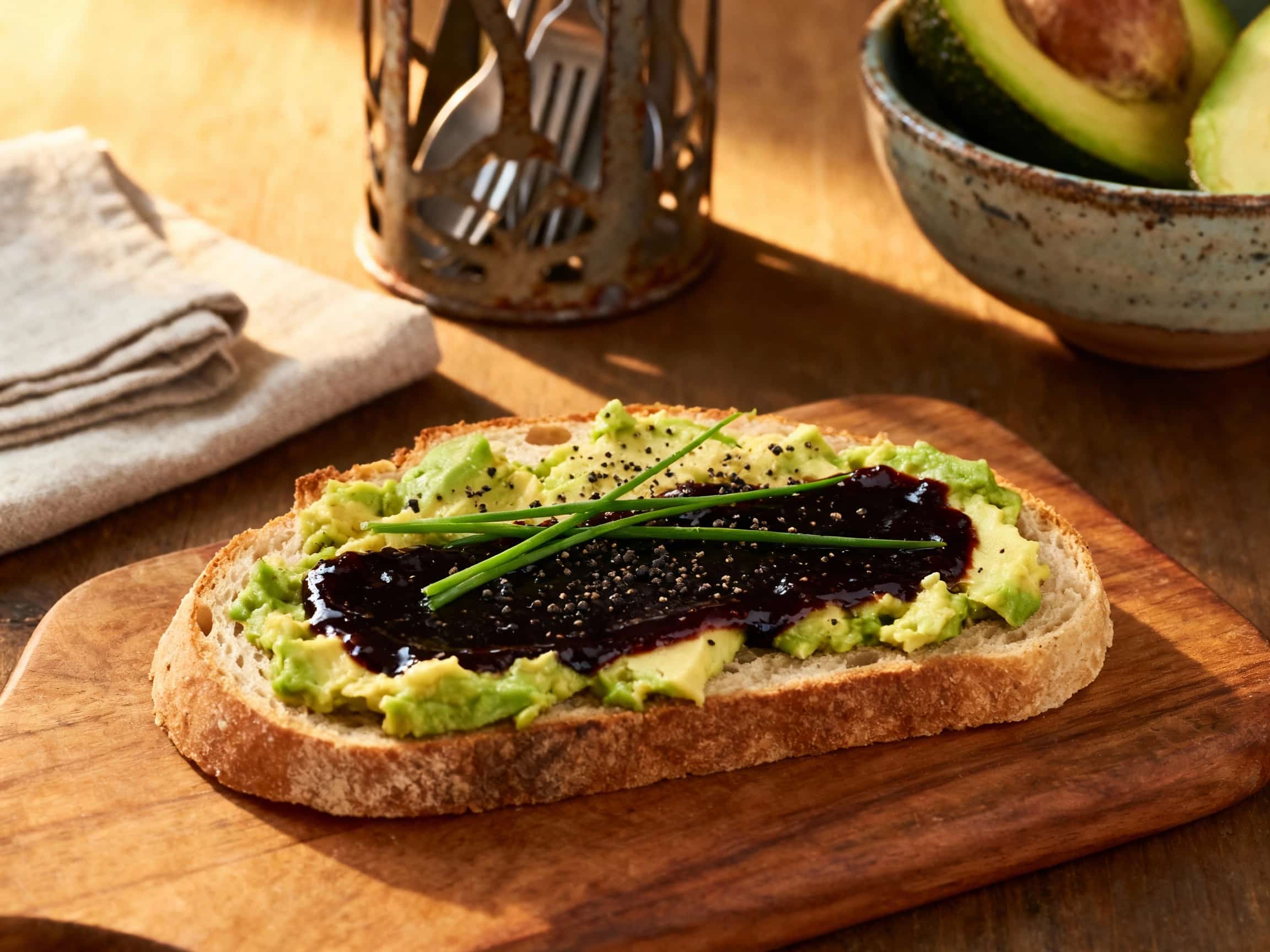
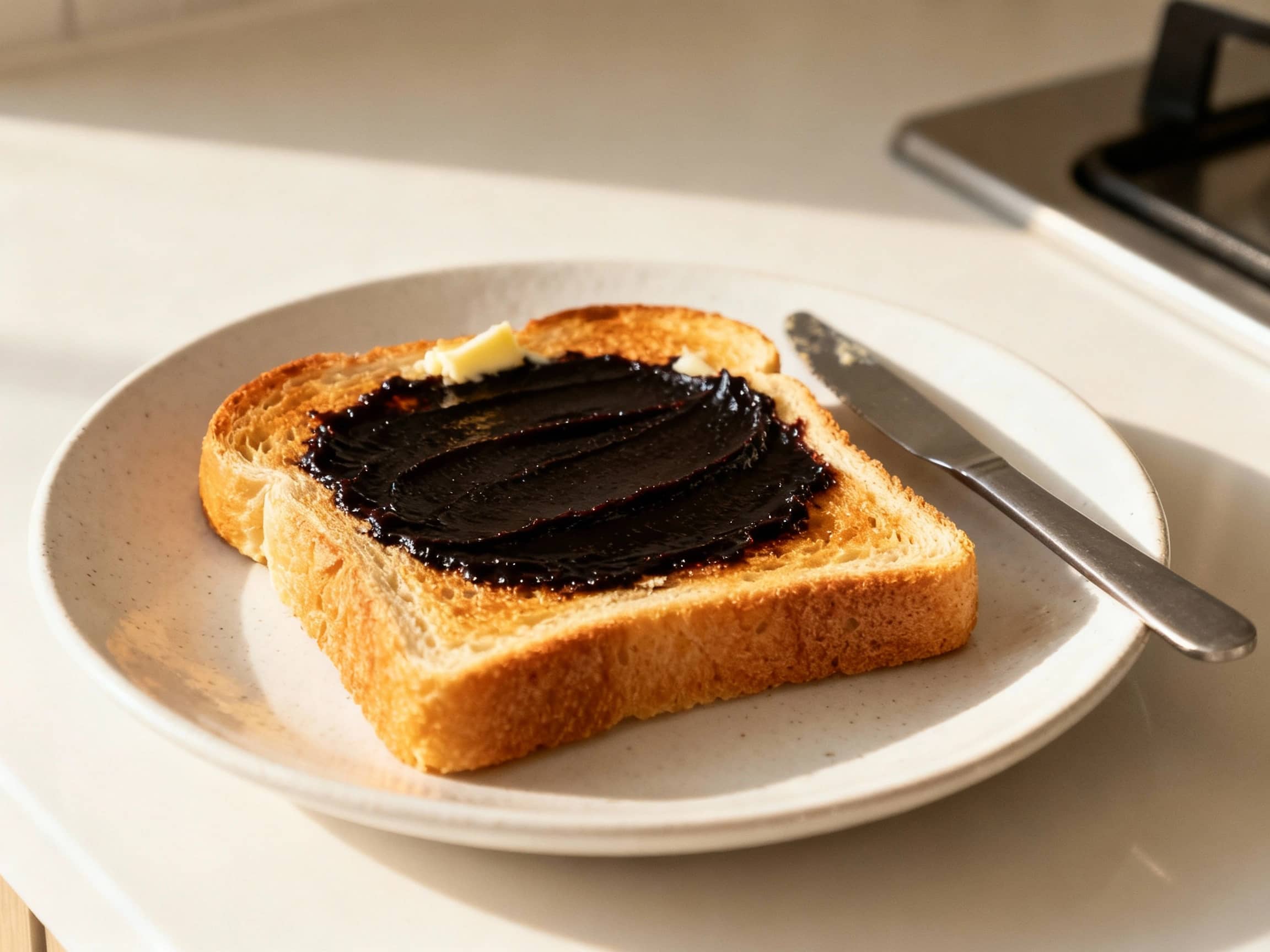
Vegemite Toast is not merely a breakfast item, but a foundational element of Australian culinary identity. Vegemite, a dark brown, salty, and savory yeast extract spread, was developed in Melbourne in 1922 by Cyril P. Callister for Fred Walker & Co. as an answer to the British Marmite. Initially slow to gain popularity, Vegemite's fortunes changed during World War II when it was included in soldiers' rations, cementing its place as a staple. Its unique, pungent flavor is intensely savory, often described as malty or umami-rich, and is an acquired taste for many foreigners. Australians are typically introduced to Vegemite on toast from a young age, often spread very thinly with butter or margarine. The preparation is crucial: a thin, even layer of Vegemite allows its distinct flavor to complement, rather than overpower, the toast. It represents a simple, comforting, and quintessentially Australian start to the day, holding a significant cultural resonance as a symbol of home and national pride. The 'Happy Little Vegemites' jingle, launched in 1954, further ingrained its place in the national consciousness.
History of Vegemite Toast
Vegemite is developed by Cyril P. Callister in Melbourne, Australia.
Vegemite is endorsed by the British Medical Association, increasing its popularity as a nutritious food.
Vegemite is included in Australian soldiers' rations during WWII, establishing it as a national staple.
The iconic 'Happy Little Vegemites' advertising jingle is created and aired.