Anzac Biscuit
Anzac Biscuit
- Country
- Australia
- Region
- Western Australia
- Recipes
- 3 Recipes
Origins & Characteristics of Anzac Biscuit
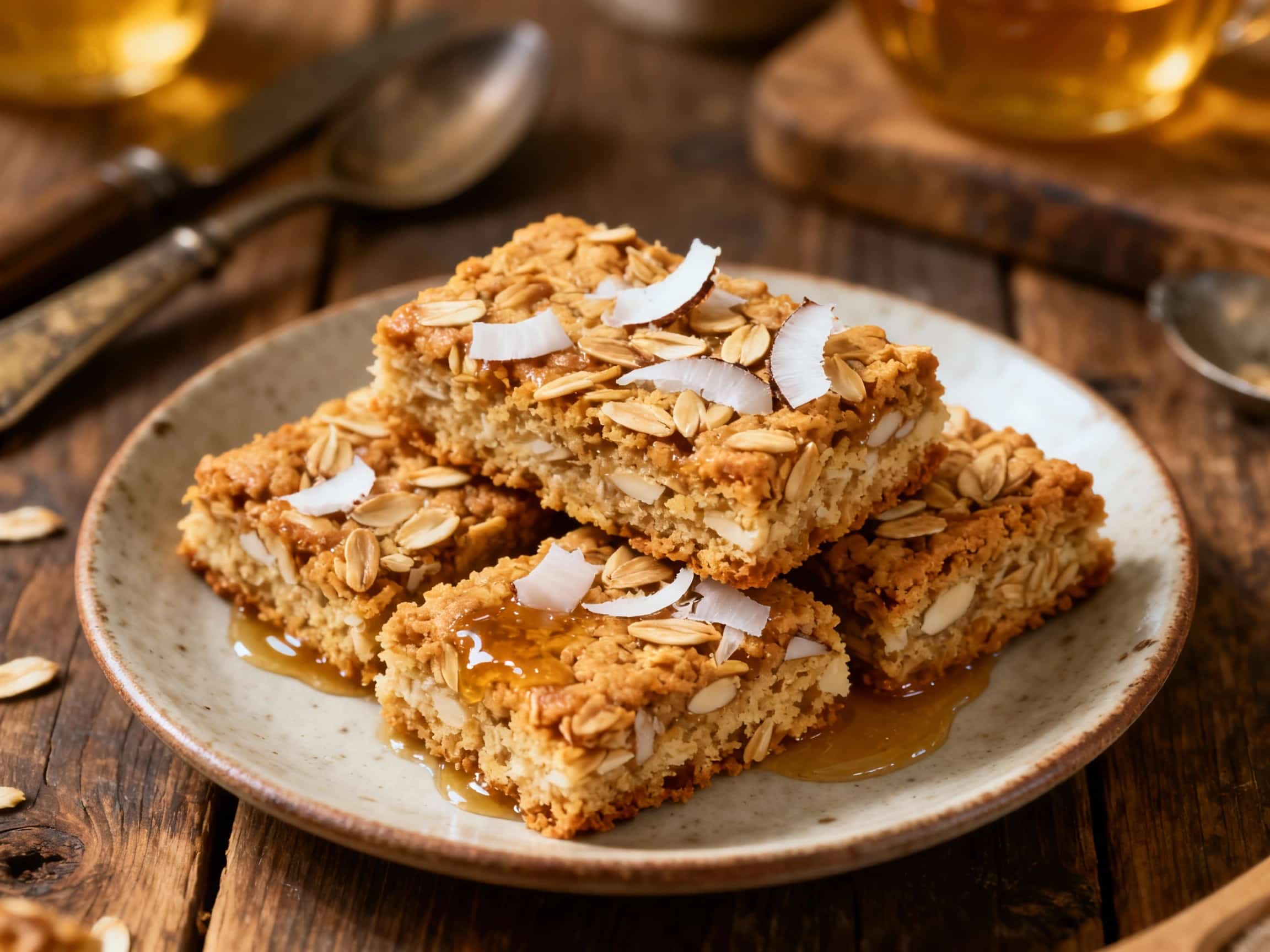
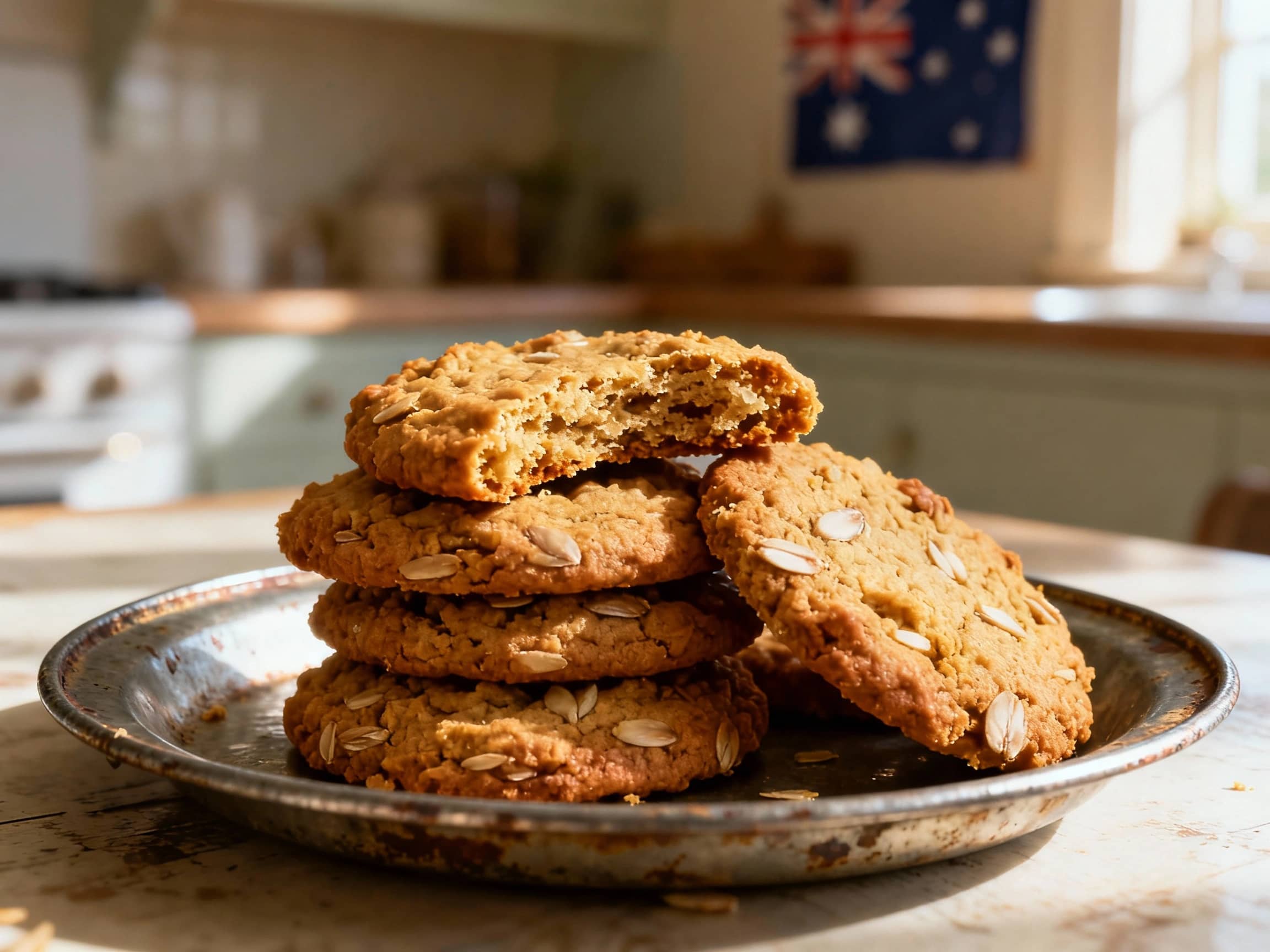
The Anzac biscuit is a deeply cherished culinary icon in both Australia and New Zealand, intrinsically linked to the nation's wartime history and remembrance of soldiers. Its creation dates back to the First World War, around 1915. The story goes that women and children, wanting to send a taste of home to soldiers fighting overseas, created a biscuit that would keep well without refrigeration and could withstand the long journey. Due to the scarcity of ingredients like eggs and fresh butter during wartime, and the desire for a long shelf life, the recipe typically relied on ingredients that were readily available and stable: rolled oats, flour, sugar, golden syrup (a readily available liquid sweetener), and baking soda, bound with butter. The absence of eggs is a key characteristic that contributed to its longevity. Soldiers affectionately called them 'Anzac biscuits' or 'Anzac wafers'. The name "Anzac" itself is an acronym for the Australian and New Zealand Army Corps. The biscuits became a tangible symbol of remembrance and support for the troops. After the war, the biscuit continued its popularity, especially around Anzac Day (April 25th), a national day of remembrance. While originally simple oat biscuits, over the decades, variations emerged, sometimes adding desiccated coconut for flavor, though purists often debate the authenticity of these additions. The traditional Anzac biscuit is dense, slightly chewy in the center, and crisp on the edges, with a distinct caramel-like flavor from the golden syrup and butter. It's often enjoyed with a cup of tea or coffee, embodying a spirit of resilience, national pride, and a bittersweet connection to the past. Its cultural significance extends beyond a simple treat; it’s a edible piece of history.
History of Anzac Biscuit
Anzac biscuits were first created as a way for families to send treats to soldiers during World War I.
The recipe was first published in newspapers, popularizing the name 'Anzac Biscuit'.
Post-war, the biscuits remained popular as a treat and fundraiser item.
Anzac biscuits became associated with Anzac Day (April 25th) commemorations.
Wartime rationing continued to make the ingredient list of Anzac biscuits practical.
The popularity of Anzac biscuits surged as a national treat, especially in schools and community events.
Many Australian states passed legislation to protect the name 'Anzac' from commercial misuse.
Variations using coconut became more common, though the original recipe remained a favorite.
Anzac biscuits are now a staple in Australian and New Zealand households, especially around Anzac Day.