Scones with Jam and Cream
Scones with Jam and Cream
- Country
- Australia
- Region
- Various
- Recipes
- 3 Recipes
Origins & Characteristics of Scones with Jam and Cream
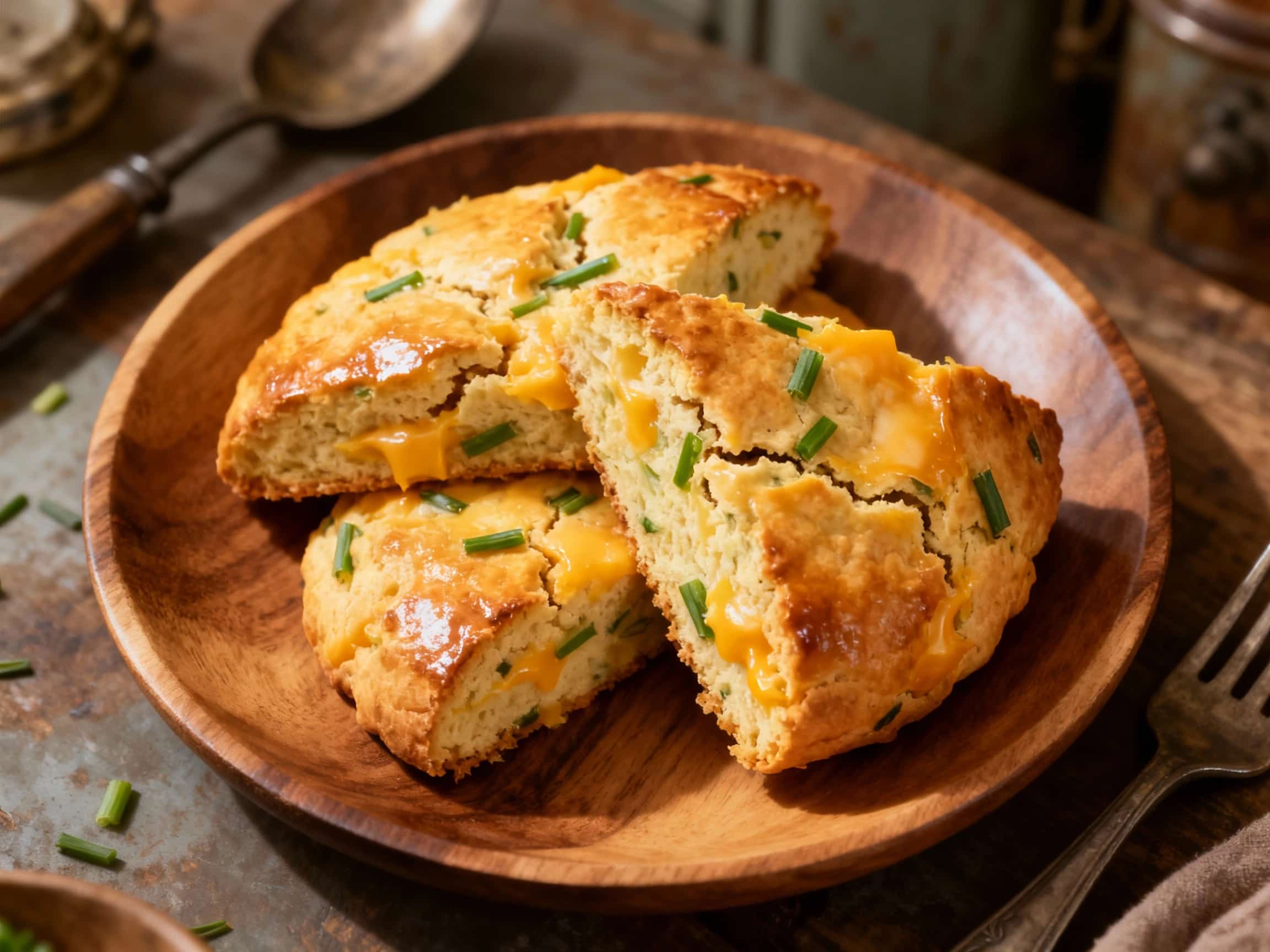
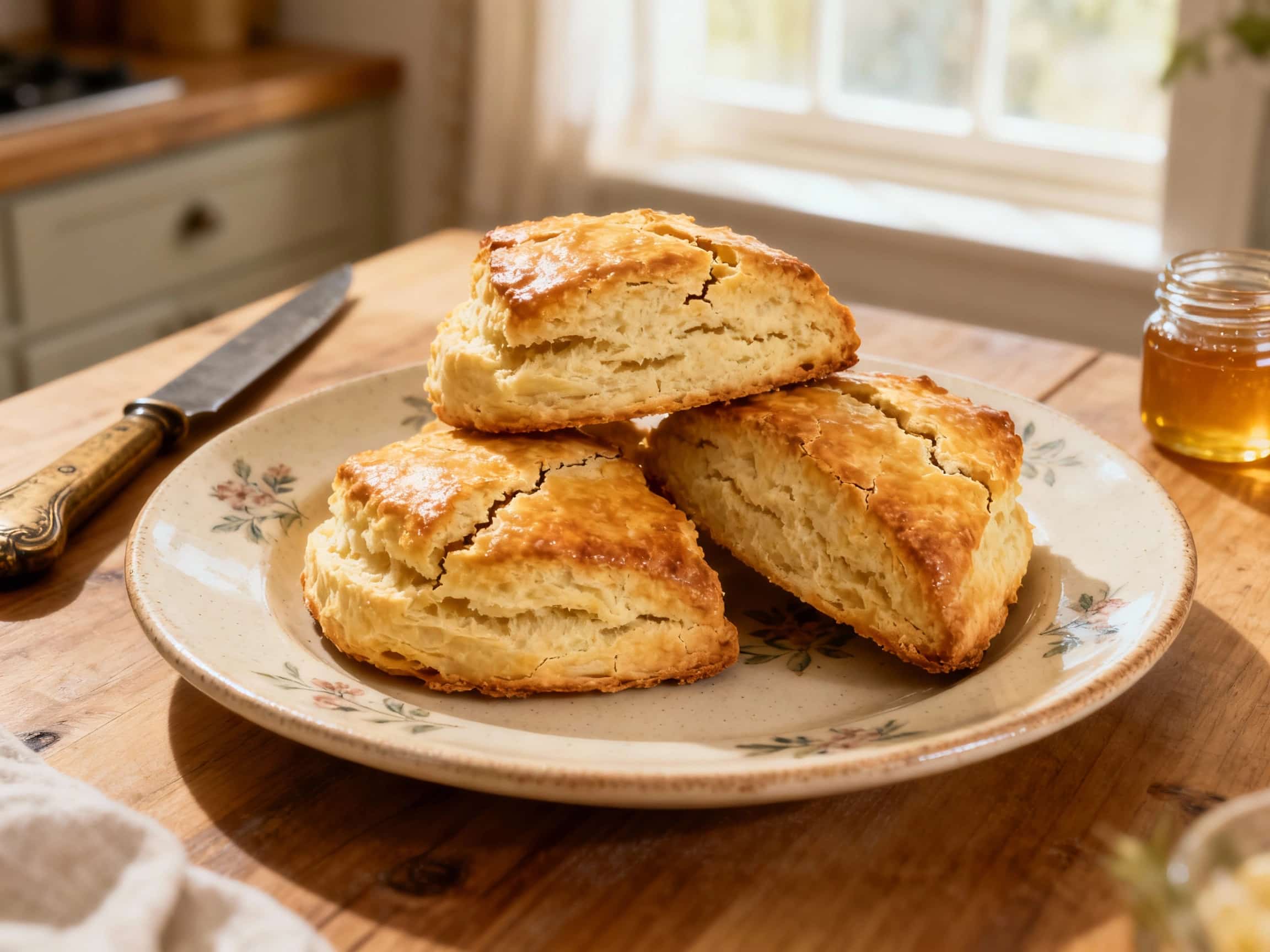
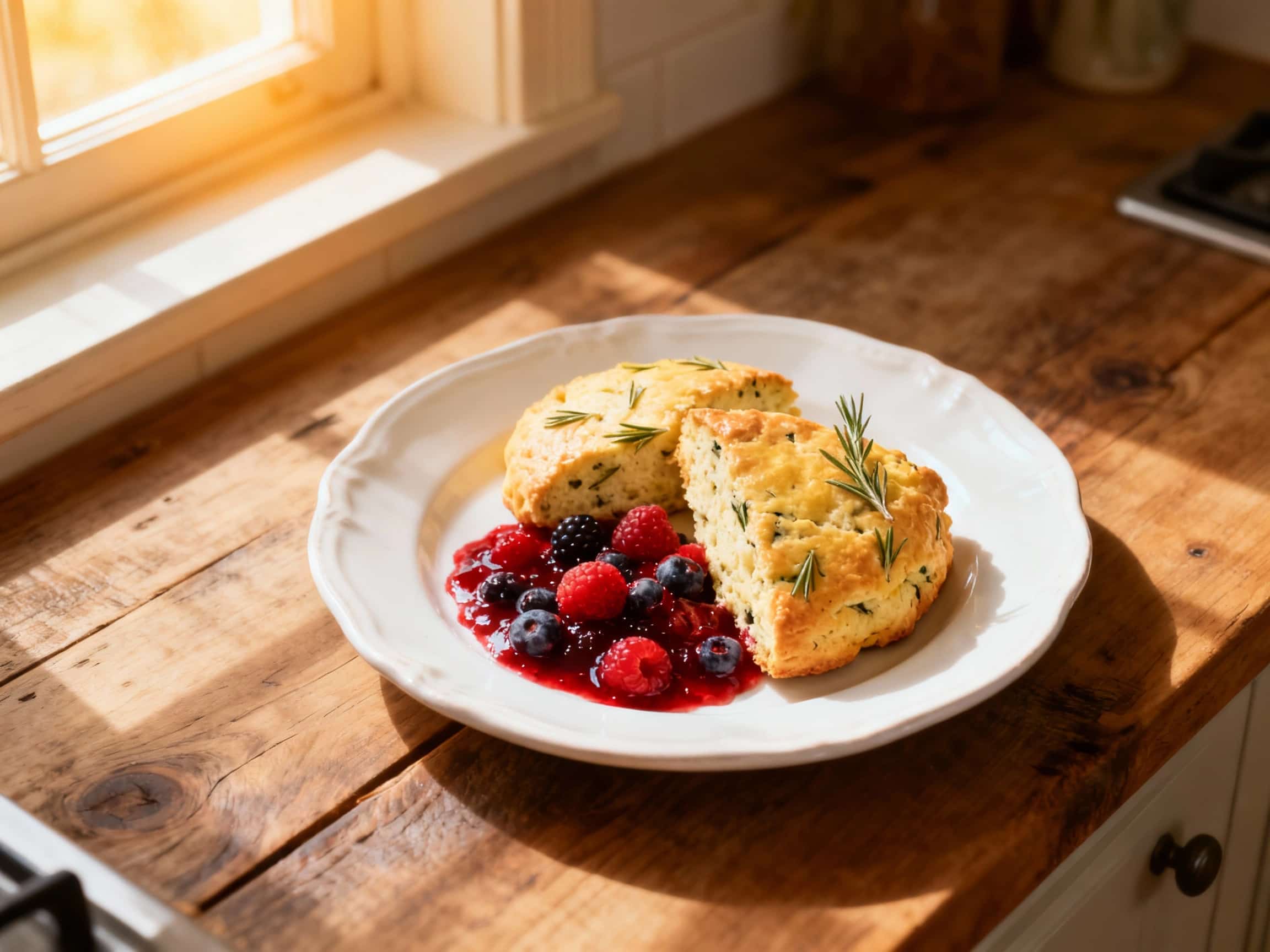
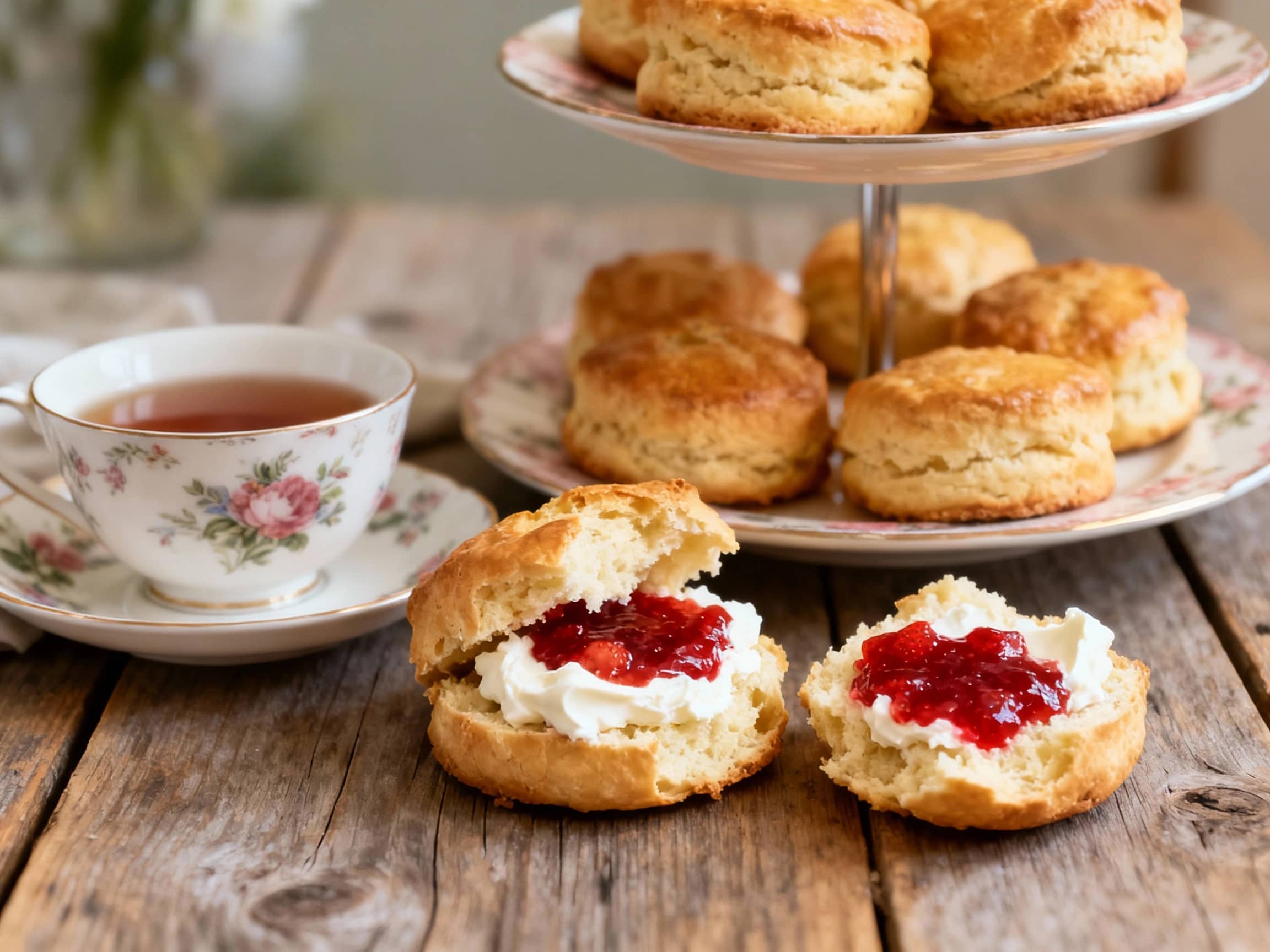
Scones, a delectable baked good enjoyed across the globe, particularly within British and Commonwealth culinary traditions, are characterized by their slightly dense yet crumbly texture, often leavened with baking powder or baking soda. Their origins are shrouded in some debate, with many tracing their lineage back to Scotland in the 16th century, where they were made with oats and baked on a griddle. The term 'scone' itself is thought to derive from the Stone of Scone, a coronation stone used by Scottish monarchs, hinting at a regal or celebratory association from early times. Initially, scones were a more rustic, wholemeal bread, often served plain or with butter as a staple. However, over time, they evolved into the lighter, sweeter versions we recognize today, particularly with the advent of refined flour and the popularity of the 'cream tea' in the southern counties of England, notably Devon and Cornwall, around the 19th century. These cream teas elevated the scone to a ceremonial occasion, typically served with clotted cream and strawberry jam, though the debate rages fiercely over whether cream or jam should be applied first. Scones have also become a beloved treat in Australia, where they are often found in cafes, bakeries, and served at morning teas and afternoon teas, reflecting their enduring global appeal and adaptability. Their simple yet satisfying nature makes them a versatile accompaniment, perfect for elevenses, afternoon tea, or a light dessert.
History of Scones with Jam and Cream
Oatmeal-based scones baked on griddles believed to originate in Scotland.
The 'cream tea' tradition emerges in Southern England, popularizing lighter, sweeter scones.
Scones become a staple of afternoon tea services in Britain and spread globally.
Scones gain popularity in Australia, becoming a common treat in cafes and homes.