Classic Bai Zao with Osmanthus Sugar
Classic Bai Zao with Osmanthus Sugar
Classic DishBai Zao
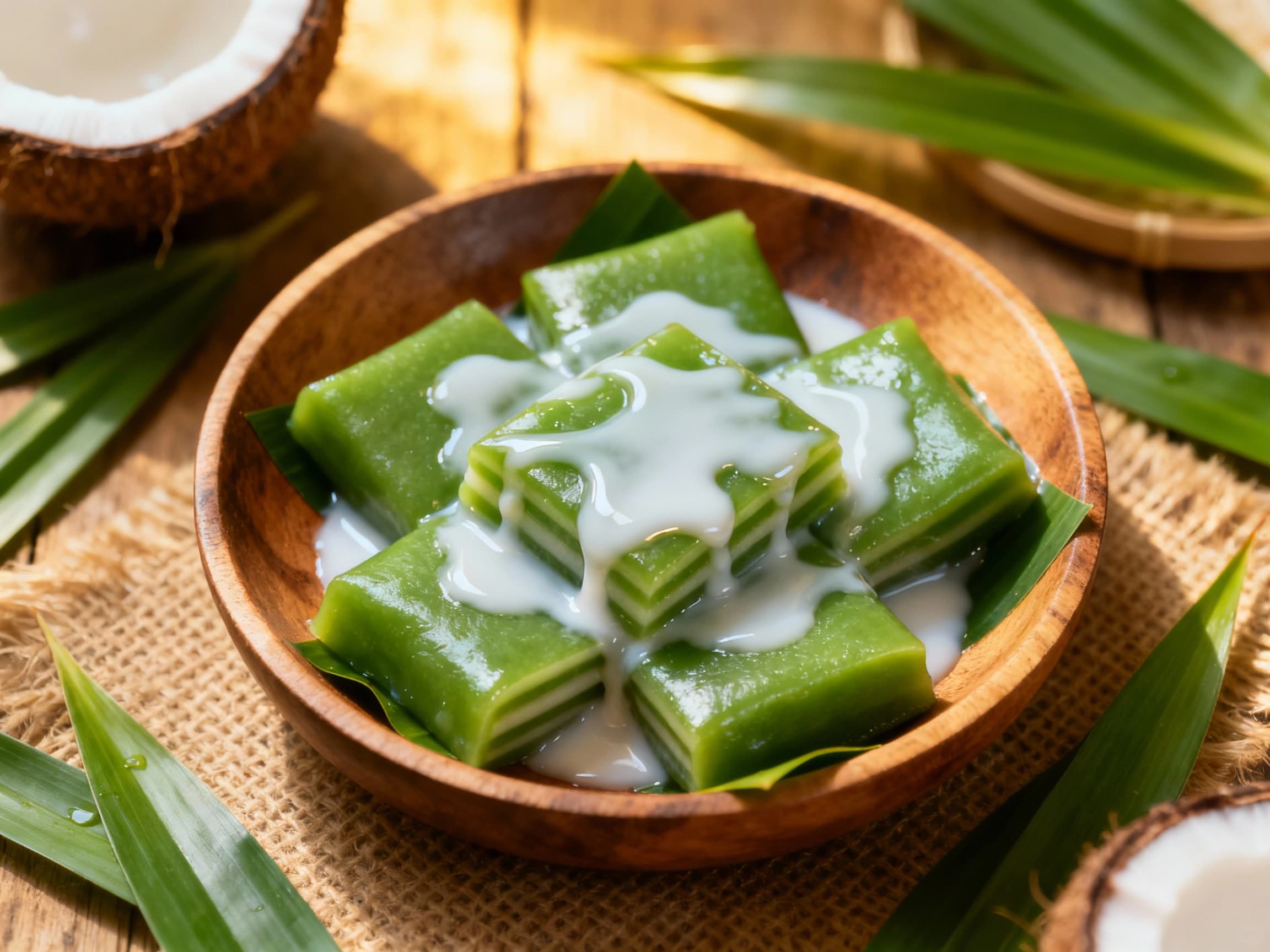
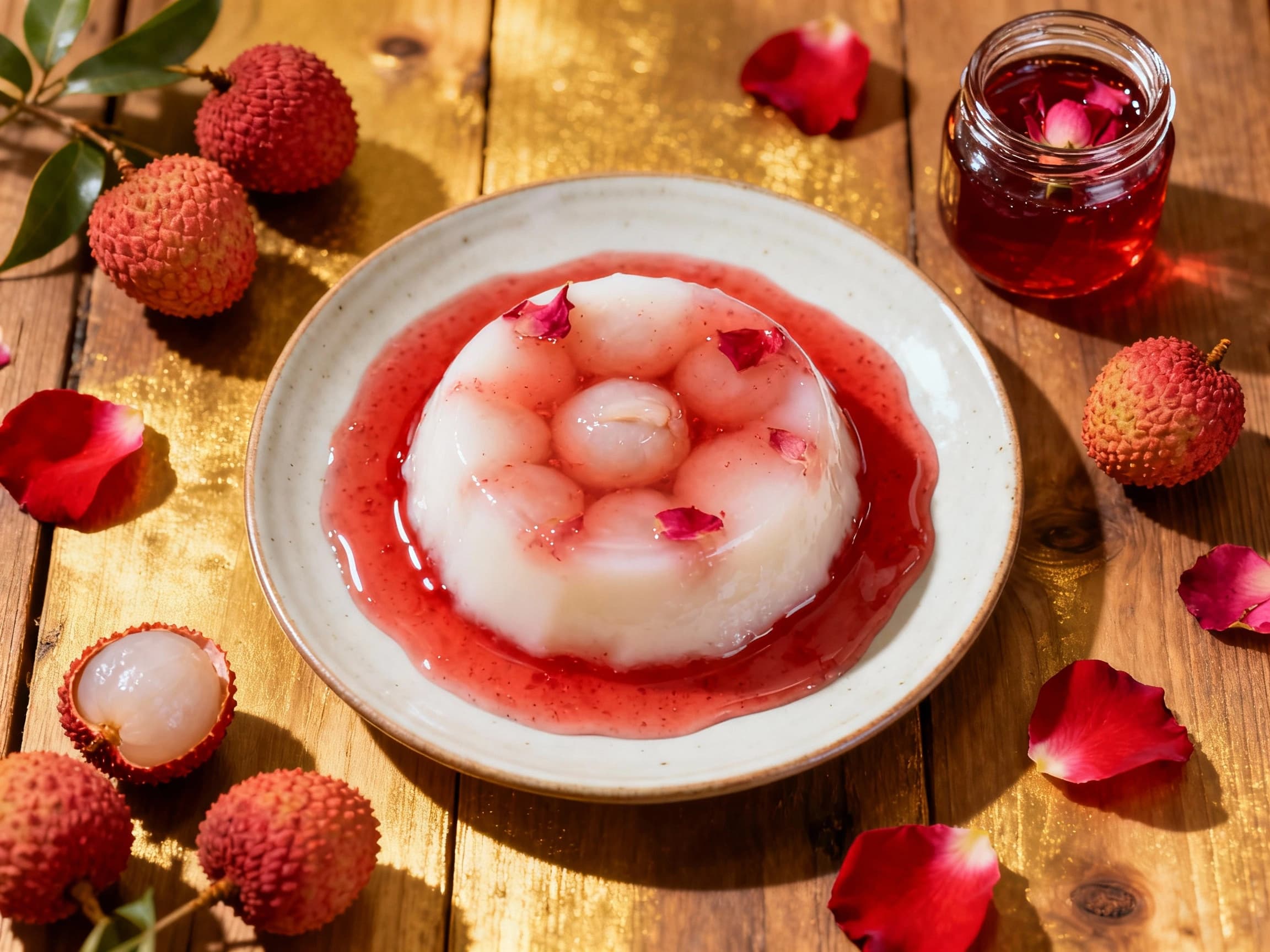
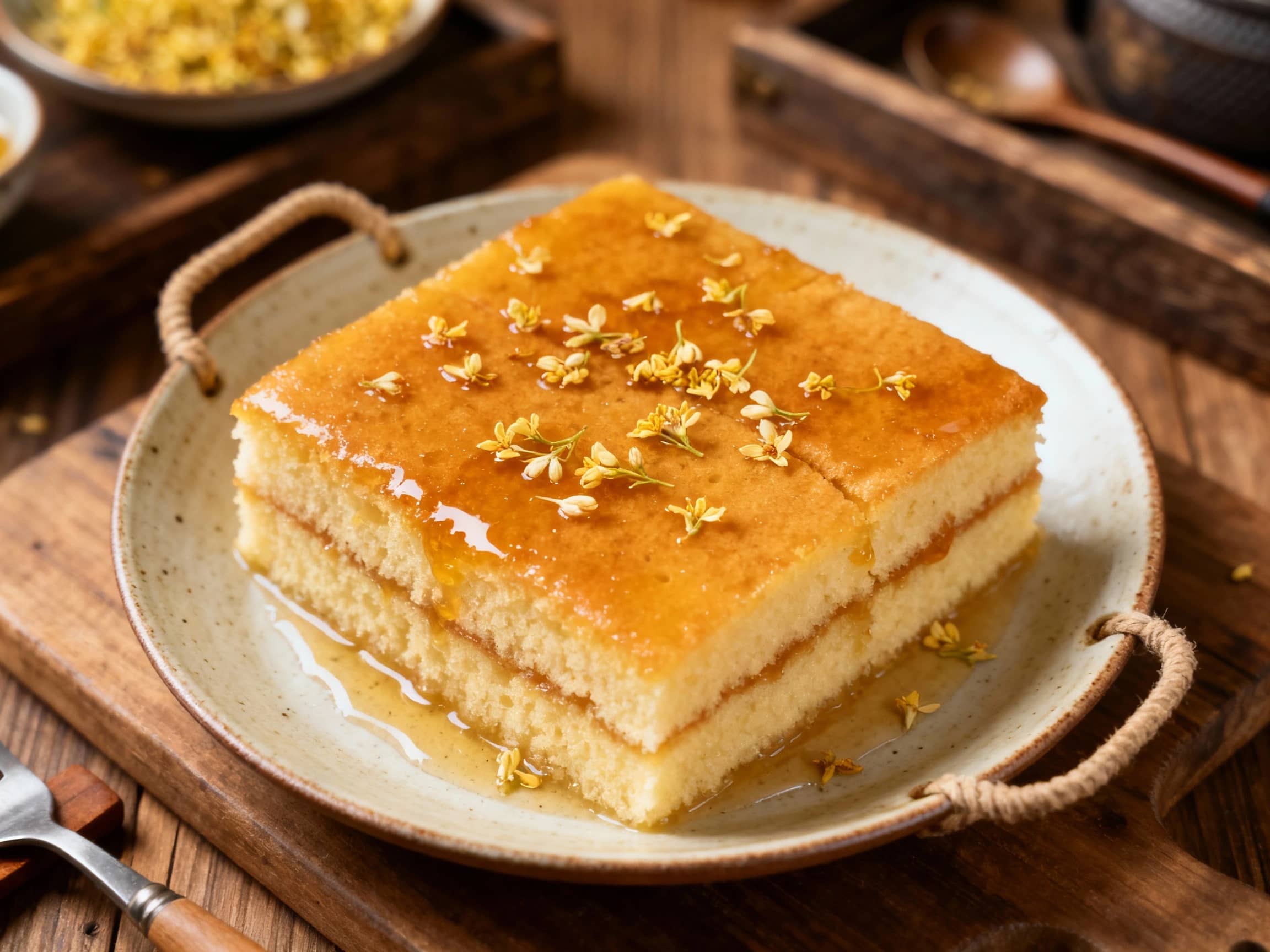
A traditional sweet glutinous rice zhongzi, delicately steamed and served with fragrant osmanthus-infused sugar for a sweet, floral finish. This recipe focuses on perfectly tender rice wrapped in bamboo leaves.
- Preparation time
- 30 min
- Cooking time
- 1 hr
- Total time
- 1 hr 30 min
- Servings
- 30
Instructions
Preparing the Bai Zao
- 1Drain the soaked glutinous rice thoroughly. In a bowl, mix the rice with a pinch of salt (optional) and thinly sliced bamboo leaf stems for added flavor, if desired.
- 2Take two bamboo leaves, cross them in the middle to form a cone shape, ensuring the shiny sides are facing inwards. Secure the tip by folding it over.
- 3Fill the cone with about 2-3 tablespoons of the soaked and drained glutinous rice. Do not overfill.
- 4Fold the leaves down to cover the rice, then fold the sides to create a rectangular or triangular package. Wrap the package tightly with kitchen twine, ensuring it is secure.
- 5Repeat with the remaining rice and bamboo leaves until all ingredients are used.
Cooking the Bai Zao
- 1Prepare a large pot or steamer. Add enough water to steam. Arrange the filled bamboo leaf parcels in the steamer basket, ensuring they do not touch each other.
- 2Cover the steamer and steam over medium-high heat for about 60 minutes, or until the rice is tender and cooked through. Add more boiling water to the pot if it runs low during steaming.
Making the Osmanthus Sugar
- 1In a small bowl, combine the sugar and dried osmanthus flowers. Mix well.
Serving
- 1Once cooked, carefully remove the bai zao from the steamer. Allow them to cool slightly for a few minutes before serving.
- 2Discard the bamboo leaves before eating. Sprinkle generously with the osmanthus sugar and enjoy.
Nutrition Information
- Calories
- 196 kcal
- Protein
- 3 g
- Fat
- 0 g
- Carbs
- 45 g
| Nutrient | Per serving |
|---|---|
| Calories | 196 kcal |
| Protein | 3 g |
| Fat | 0 g |
| Carbs | 45 g |
Tips
- Soaking the glutinous rice and bamboo leaves is crucial for achieving the right texture and pliability, don't rush these steps.
- Ensure the steamer is well-sealed to maintain consistent heat, and check water levels regularly to prevent drying out.
- Bai Zao can be served warm or at room temperature; the osmanthus sugar adds a delightful floral sweetness, adjusting to taste.