Żurek
Żurek
- Country
- Poland
- Region
- Not specified
- Recipes
- 3 Recipes
Origins & Characteristics of Żurek
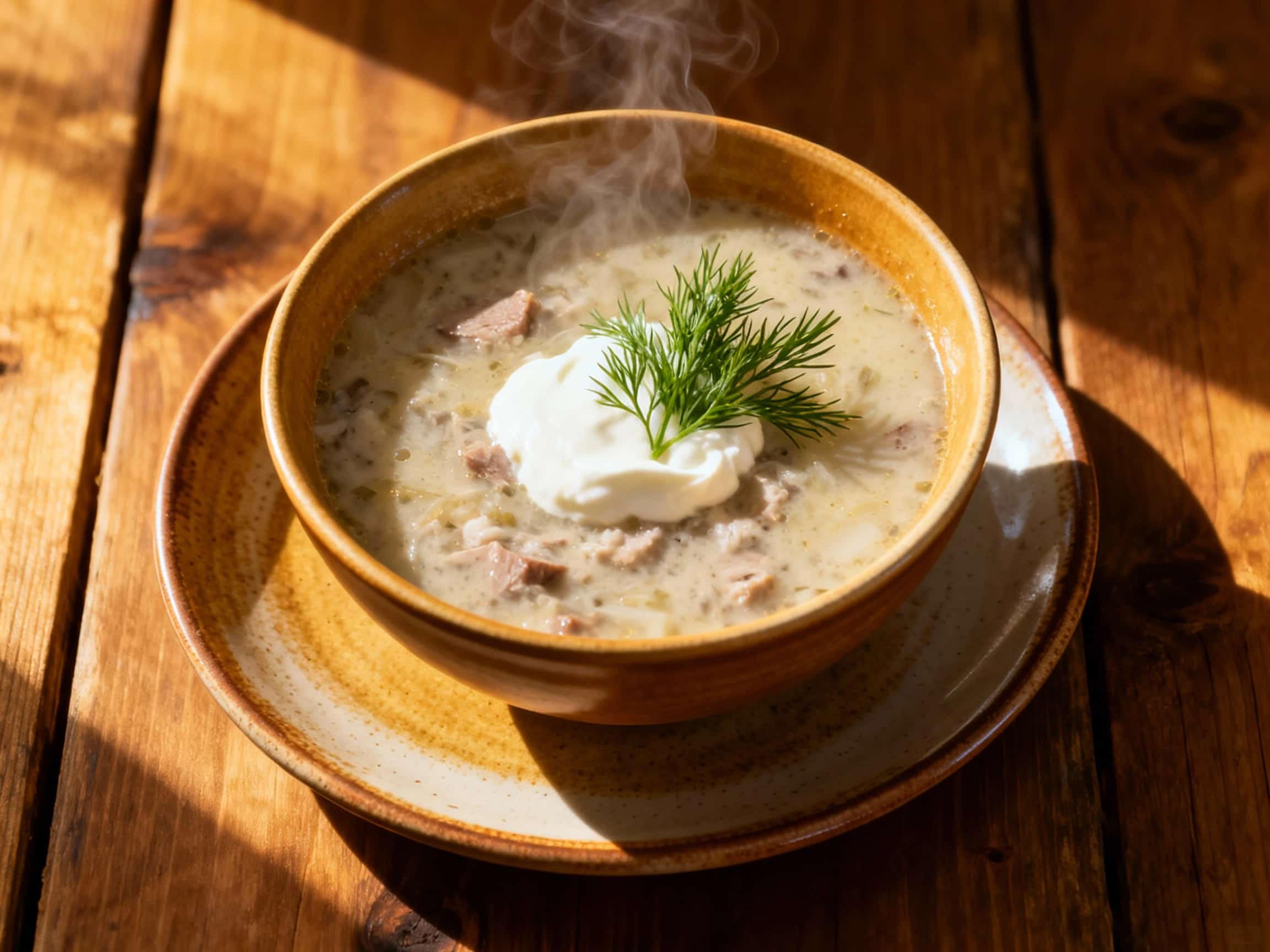
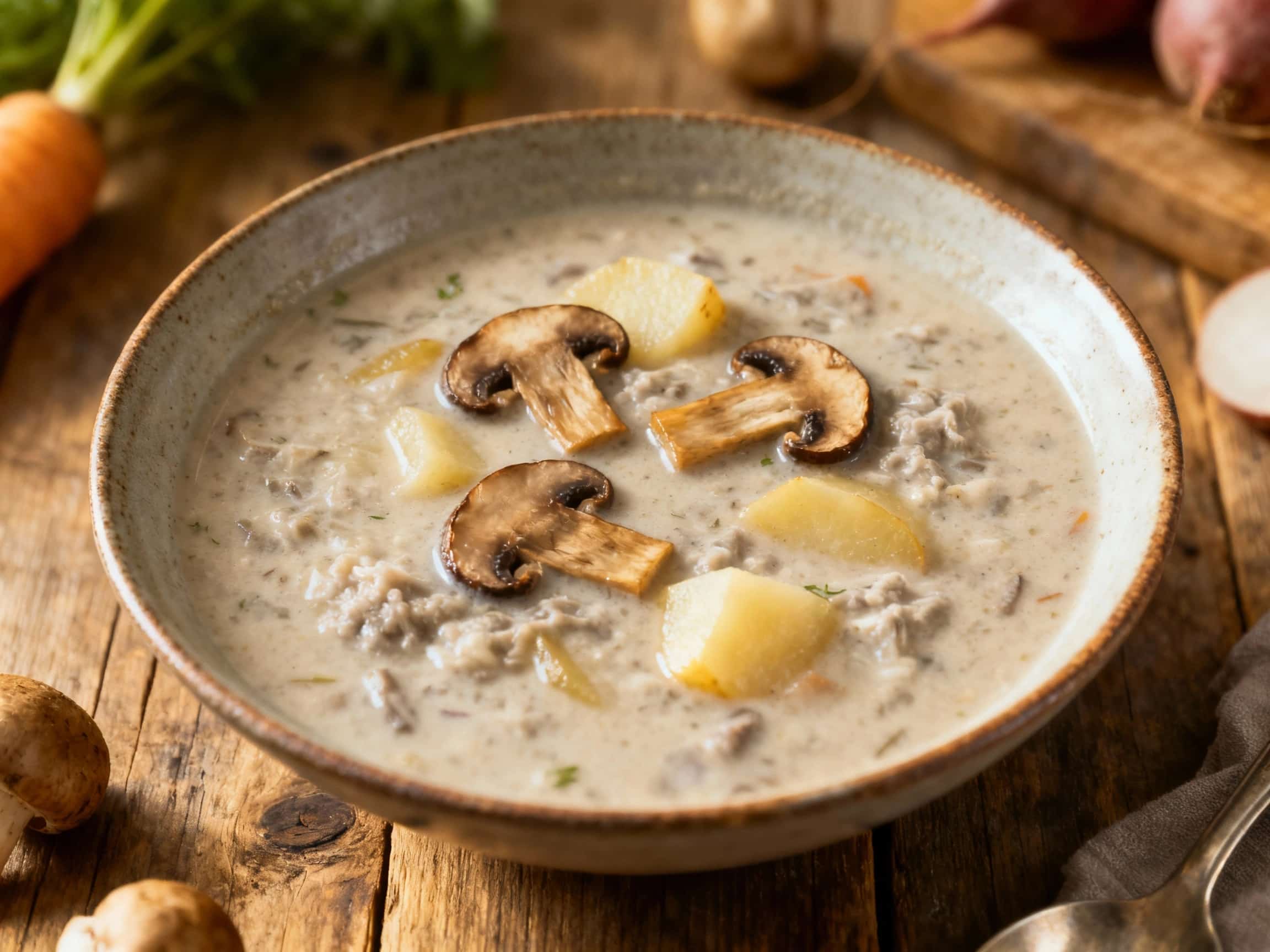
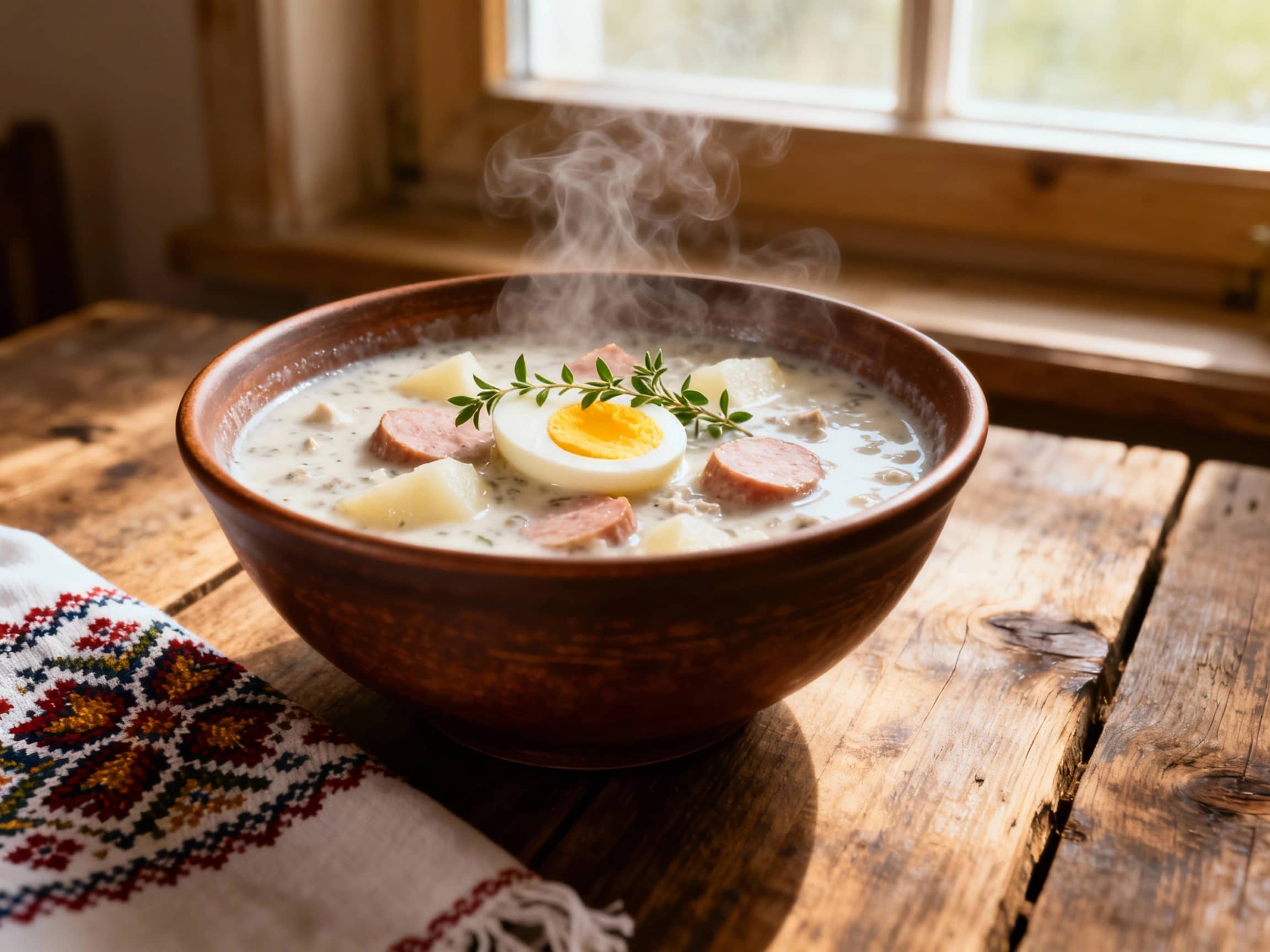
Żurek, a traditional Polish sour rye soup, is celebrated for its distinctive tangy flavor and comforting properties, making it a culinary icon, especially during Easter. The soup's unique taste comes from 'żur,' a fermented rye flour starter, which imbues it with a complex sourness that is both invigorating and deeply satisfying. Beyond the żur base, Żurek typically contains a flavorful broth, white kielbasa sausage, smoked bacon, and often potatoes. A hard-boiled egg is a nearly ubiquitous garnish, adding richness and texture. Its origins are ancient, deeply rooted in Slavic traditions of fermentation for food preservation and enhancement. Historically, Żurek was a peasant staple, a hearty and accessible meal derived from simple ingredients. Over centuries, it evolved into a more refined dish, gaining prominence and becoming an integral part of Polish culinary identity. The association with Easter is particularly strong, symbolizing new beginnings and the end of Lent. Today, Żurek is cherished nationwide, enjoyed in homes and restaurants as a hearty soup that embodies the robustness and unique character of Polish cuisine, a true taste of tradition.
History of Żurek
The practice of fermenting grains, particularly rye, for baking and brewing likely leads to the creation of early sour starters used in soups.
The soup known as 'żur' begins to be documented in Polish culinary history, recognized for its sour rye base.
Żurek becomes a common dish across Polish socioeconomic strata, adapting to available ingredients.
Recipes for Żurek start appearing in Polish cookbooks, detailing variations in ingredients like sausage and potatoes.
Revival of interest in traditional Polish cuisine leads to renewed appreciation for Żurek's unique taste and heritage.
Żurek is showcased as a signature dish of Polish culinary traditions during international food festivals.