Tumpeng
Tumpeng
- Country
- Indonesia
- Region
- Java
- Recipes
- 3 Recipes
Origins & Characteristics of Tumpeng
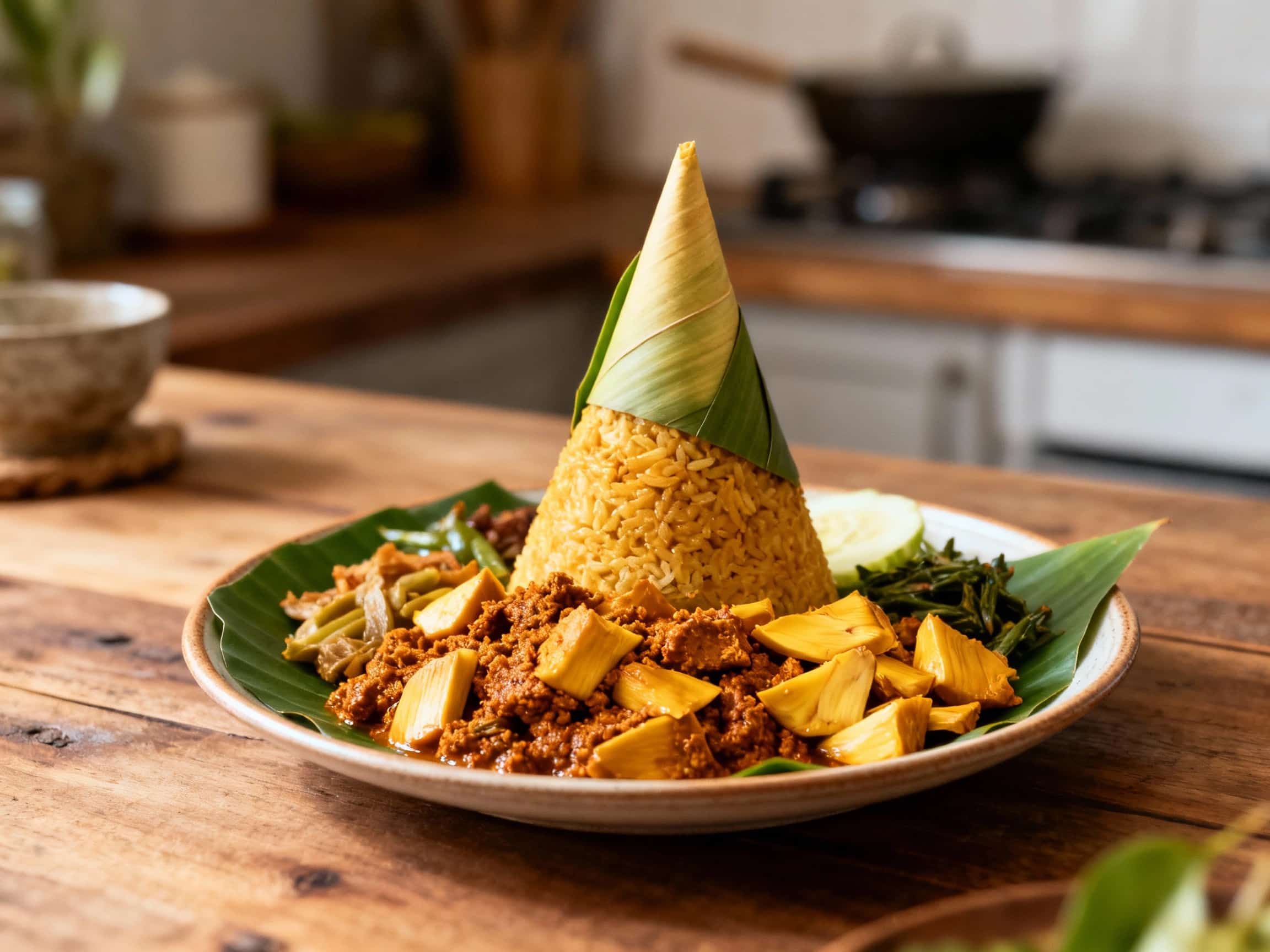
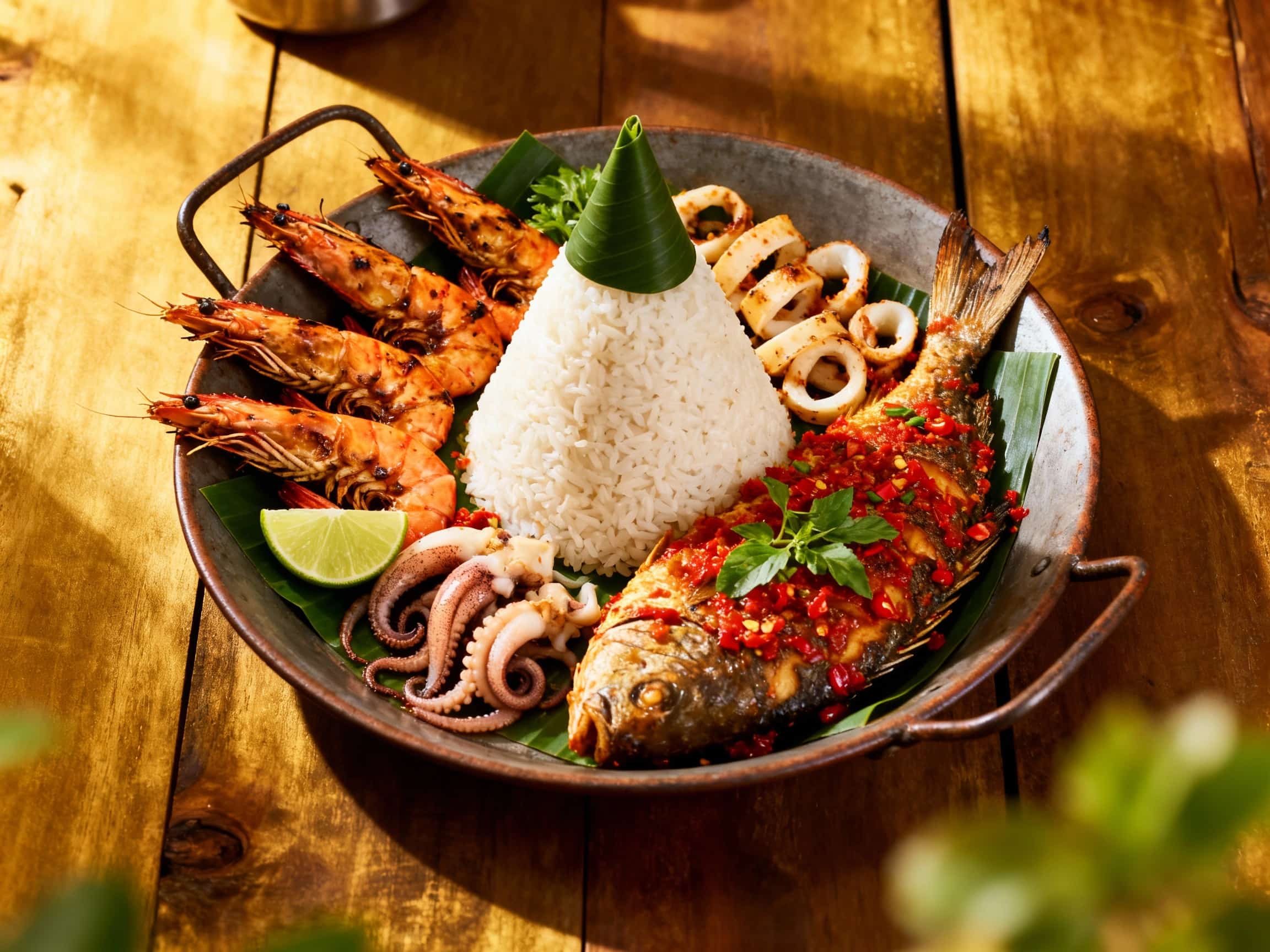
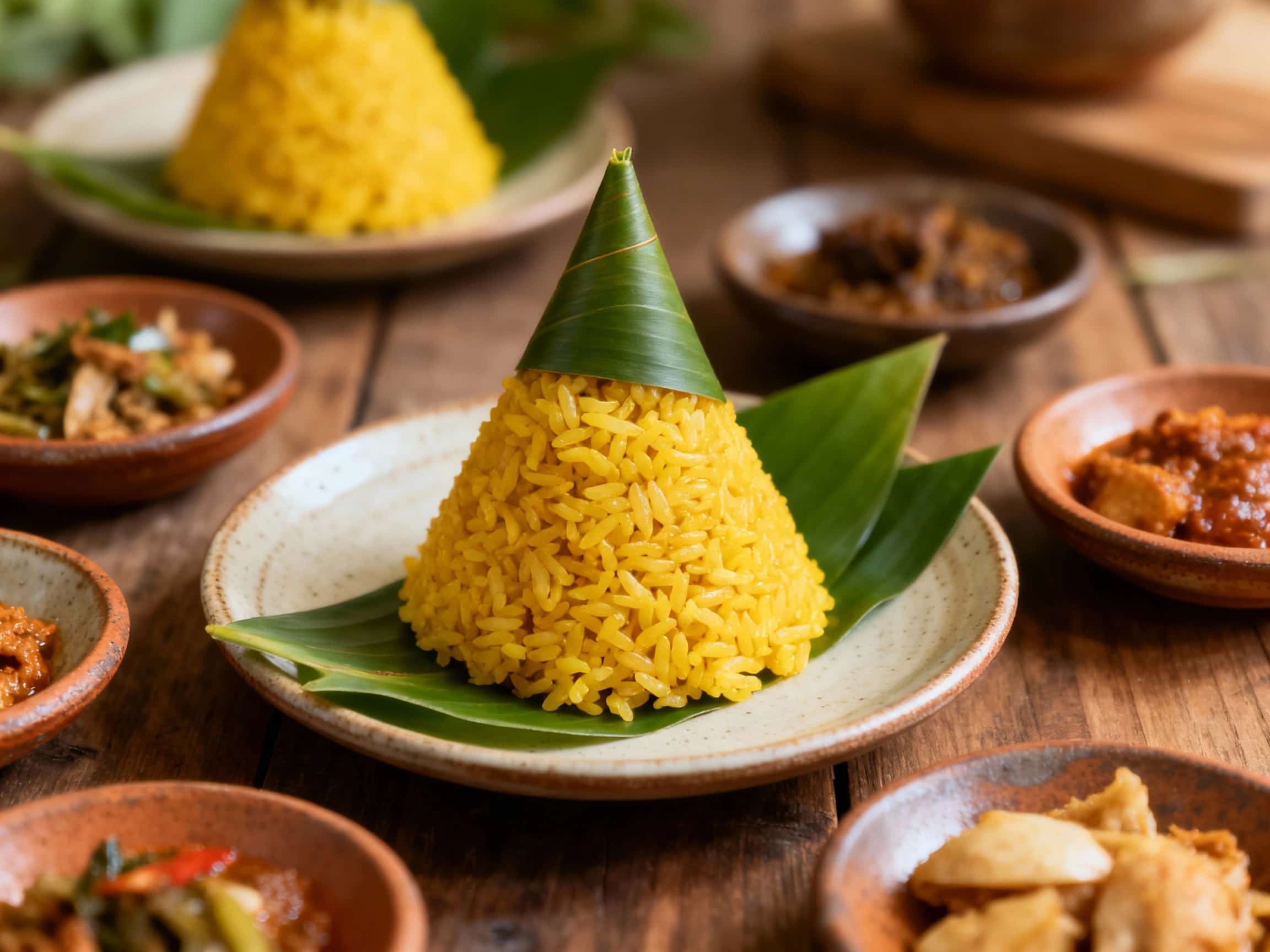
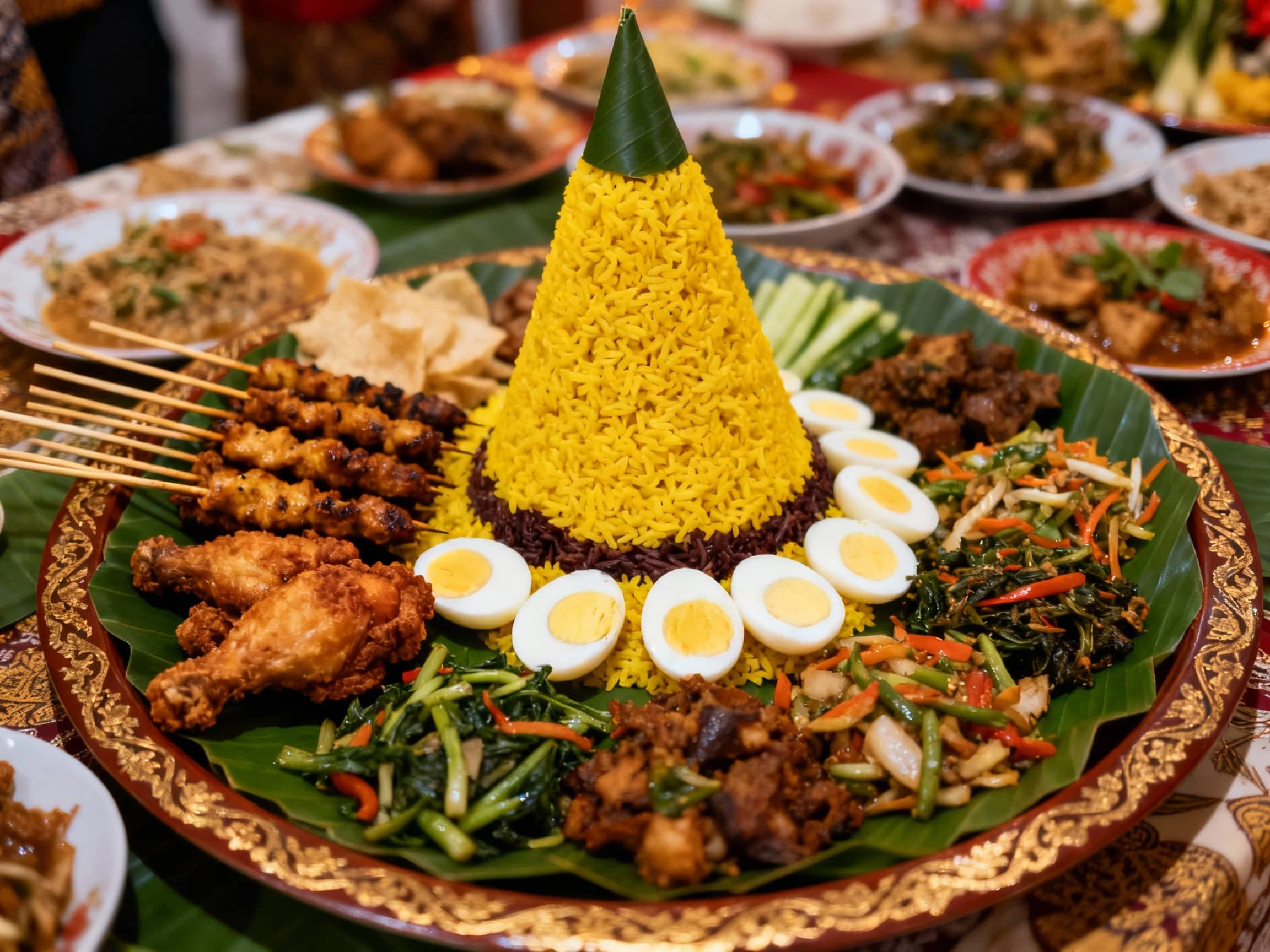
Tumpeng is not merely a dish but a culinary centerpiece, a sacred symbol of Indonesian gratitude, abundance, and celebration, particularly cherished in Javanese and Balinese cultures. Its iconic cone shape is said to represent mountains or volcanoes, signifying divinity and prosperity. The origins of Tumpeng are ancient, intertwined with pre-Hindu animistic beliefs in Indonesia, where food offerings were made to the gods and ancestors from mountain peaks. With the arrival of Hinduism and later Islam, the ritualistic significance was adapted, but the core concept of a cone-shaped rice mound surrounded by diverse dishes persisted. The rice itself is often yellow (Nasi Kuning), colored with turmeric and coconut milk, further symbolizing wealth and fortune. The sides accompanying the Tumpeng are crucial, often including various meats, vegetables, eggs, and sambals, representing the harmony and diversity of life. Tumpeng is traditionally served at significant life events such as birthdays, anniversaries, and thanksgiving ceremonies, often cut and shared communally. Famous figures or honored guests are traditionally presented with the 'top' of the cone, signifying respect. While specific historical dates of its origin are lost to antiquity, Tumpeng has been a continuous tradition for centuries. Its preservation and popularization are maintained by elders passing down recipes and by modern Indonesian chefs who feature it in contemporary cuisine, ensuring this deeply symbolic and delicious dish continues to grace celebrations across the archipelago and beyond.
History of Tumpeng
Likely emergence of Tumpeng as a ritualistic food offering in ancient Javanese cultures.
Islamic influence subtly blended into Tumpeng rituals, though core symbolism remained.
Tumpeng becomes a prominent feature in formal Indonesian celebrations and communal gatherings.
Indonesian government officially recognizes Tumpeng as a national dish, promoting its cultural significance.
Modern interpretations and artistic rice cone designs gain traction, further popularizing Tumpeng globally.