Sop Buntut
Sop Buntut
- Country
- Indonesia
- Region
- Jakarta
- Recipes
- 3 Recipes
Origins & Characteristics of Sop Buntut
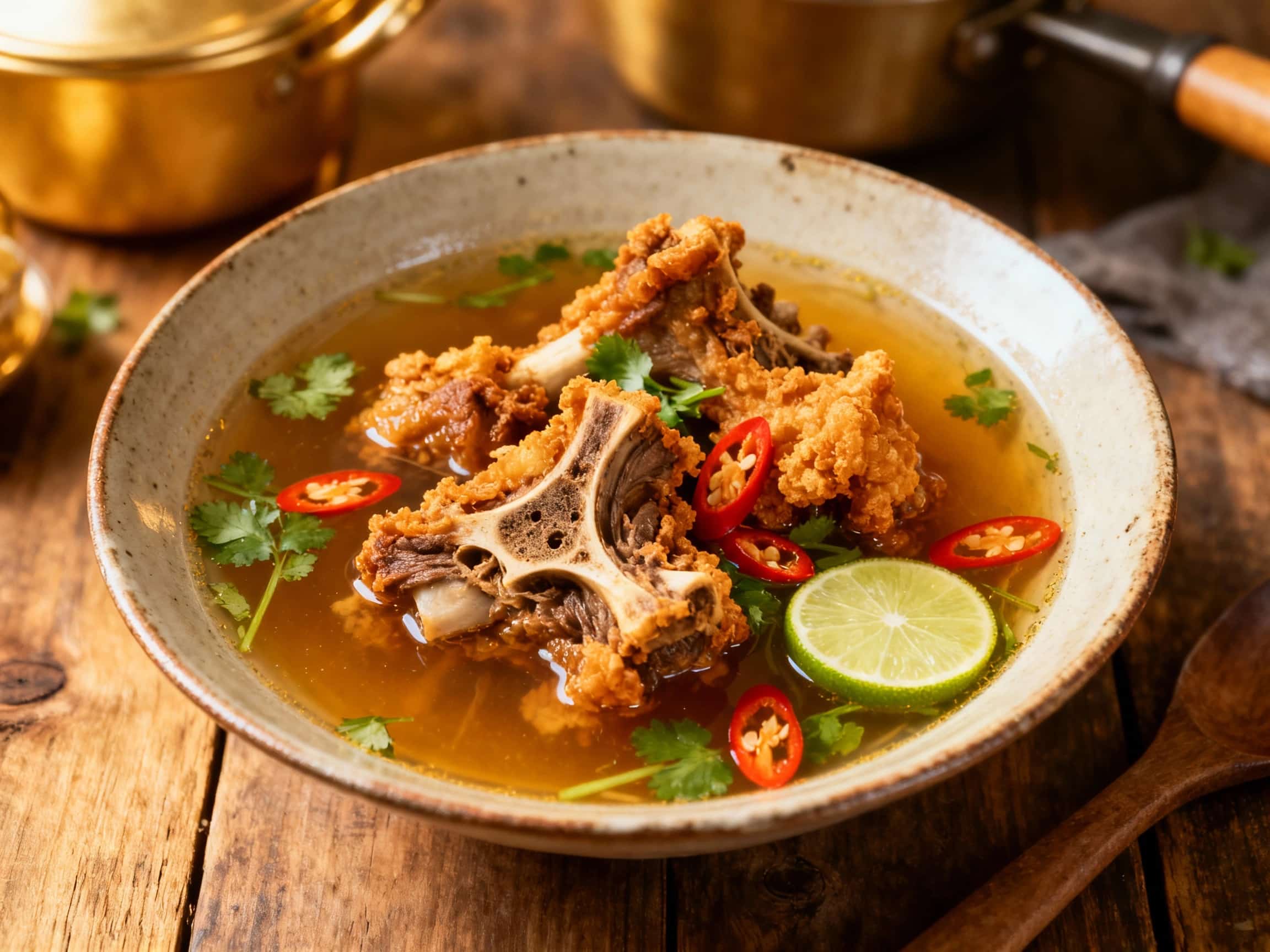
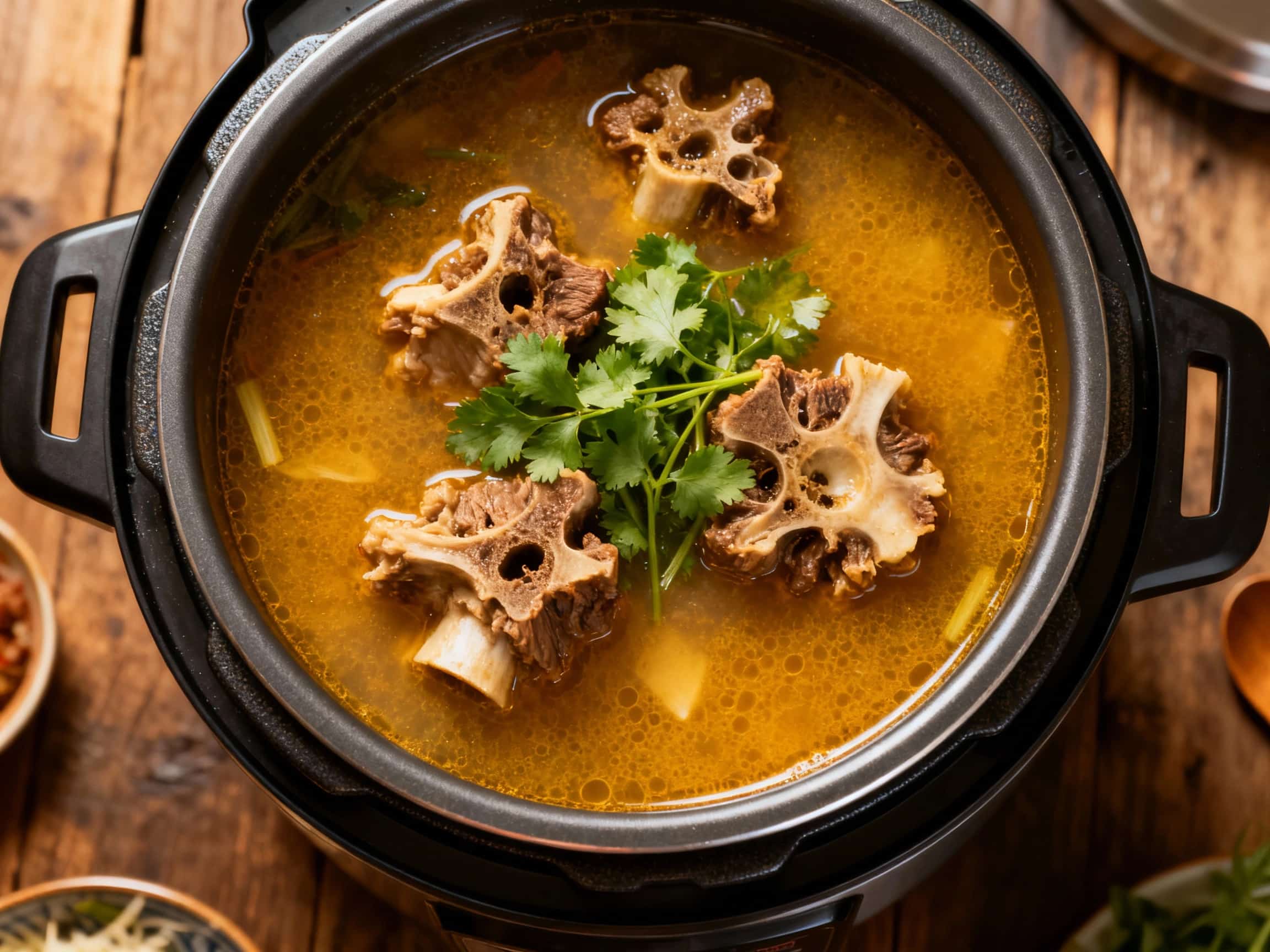
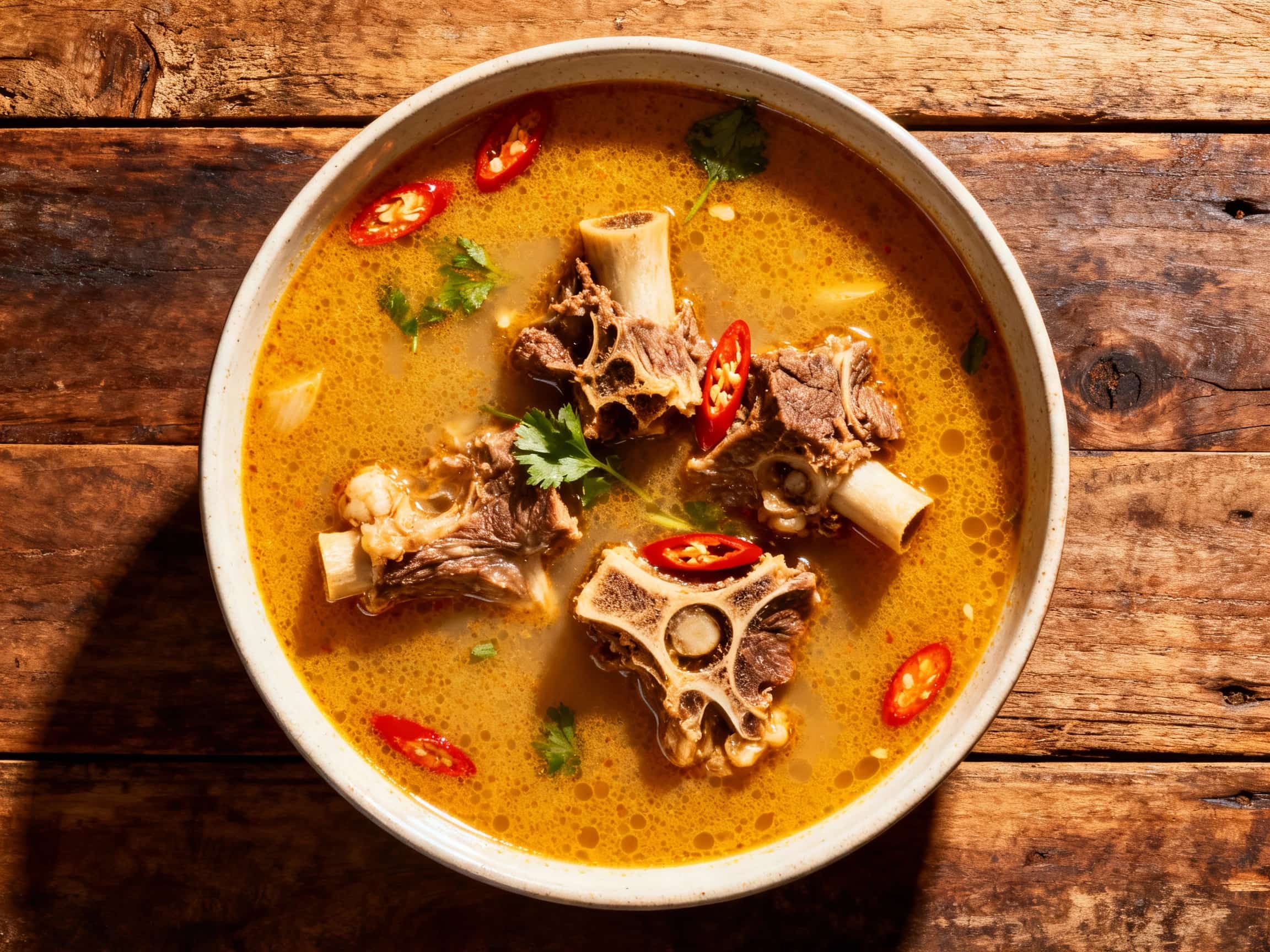
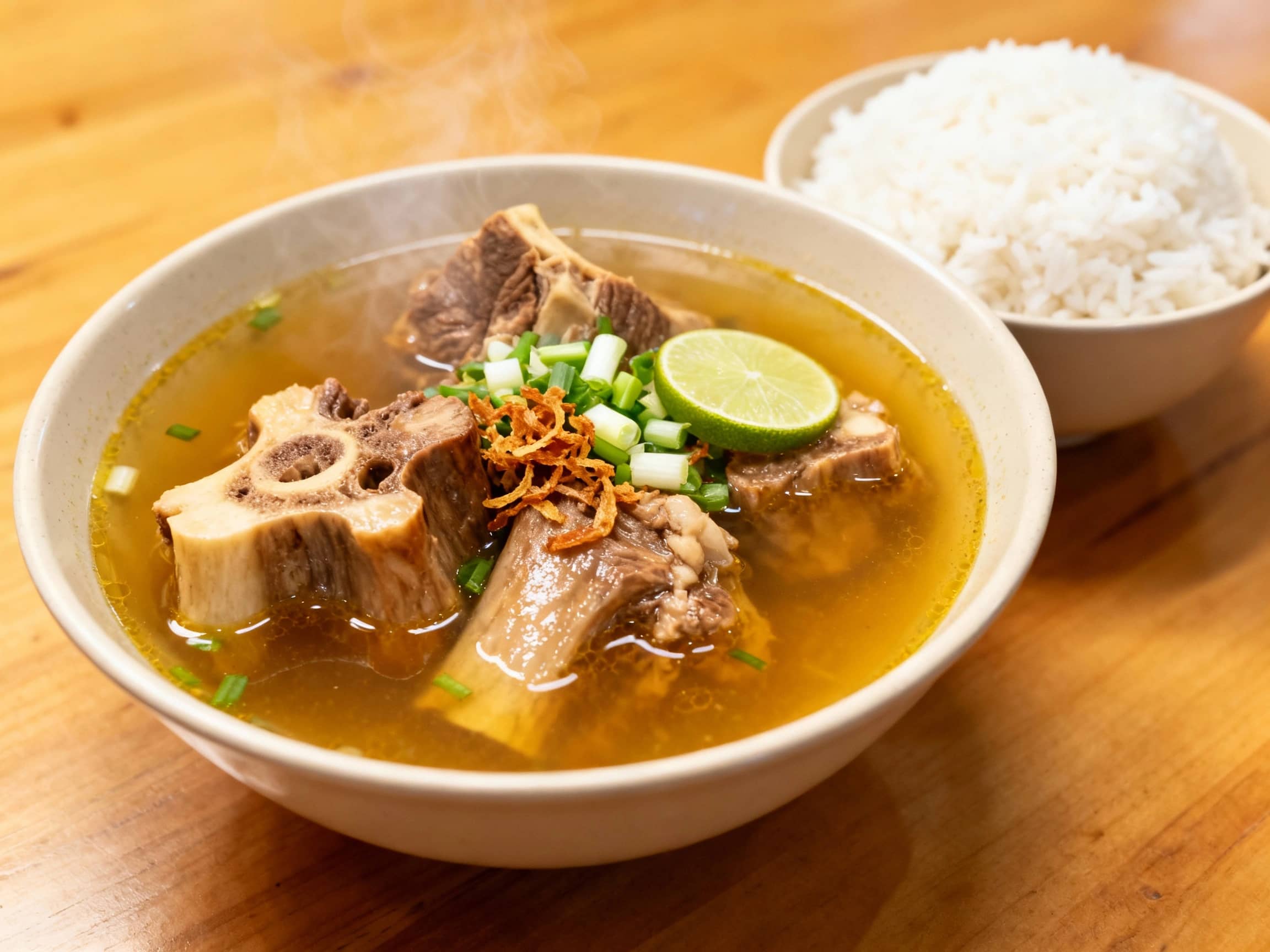
Sop Buntut, or oxtail soup, is a classic Indonesian comfort food renowned for its rich, deeply savory broth and tender, fall-off-the-bone oxtail. Its origins are often debated, but it is widely accepted to have evolved from Dutch influences during the colonial era, possibly derived from European beef stews where various cuts of beef were used, including the tail. Indonesian chefs adapted this concept, infusing it with local aromatic spices like nutmeg, cloves, ginger, and star anise, creating a distinct Indonesian flavor profile. Sop Buntut gained significant traction in Jakarta, becoming a signature dish of the capital city, particularly in the mid-to-late 20th century. It's a dish perfect for cooler evenings or for anyone seeking a hearty, nourishing meal. The process of tenderizing the oxtail typically involves long, slow simmering, which also renders the marrow, adding incredible depth and richness to the broth. It's commonly served with steamed rice, often accompanied by a side garnish of chopped scallions, celery, fried shallots, and a dollop of sambal for those who prefer a bit of heat. Prominent Indonesian families and even royal households are known to have their cherished family recipes for Sop Buntut, passed down through generations. While specific famous establishments might exist, the essence of Sop Buntut is its widespread availability in homes and eateries across Indonesia, embodying the comforting essence of Indonesian cuisine.
History of Sop Buntut
Potential introduction of Dutch beef stewing techniques to Indonesia.
Adaptation of beef recipes with Indonesian spices, leading to early forms of Sop Buntut.
Sop Buntut solidifies its place as a popular dish in Jakarta's culinary scene.
Refinements in cooking techniques lead to exceptionally tender oxtail and richer broths.
Indonesian chefs begin to elevate Sop Buntut, incorporating it into fine dining menus.