Sernik
Sernik
- Country
- Poland
- Region
- Not specified
- Recipes
- 3 Recipes
Origins & Characteristics of Sernik
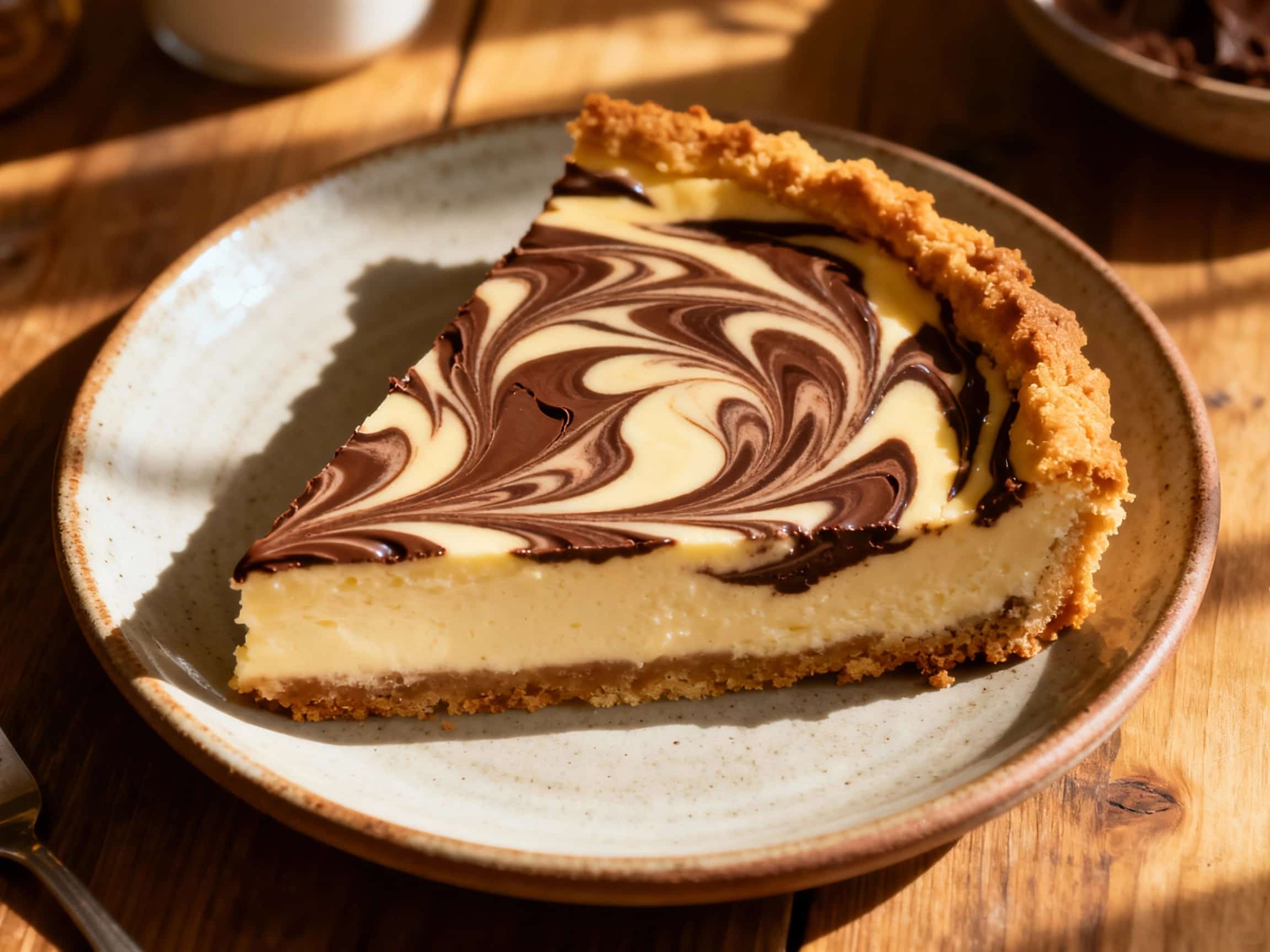
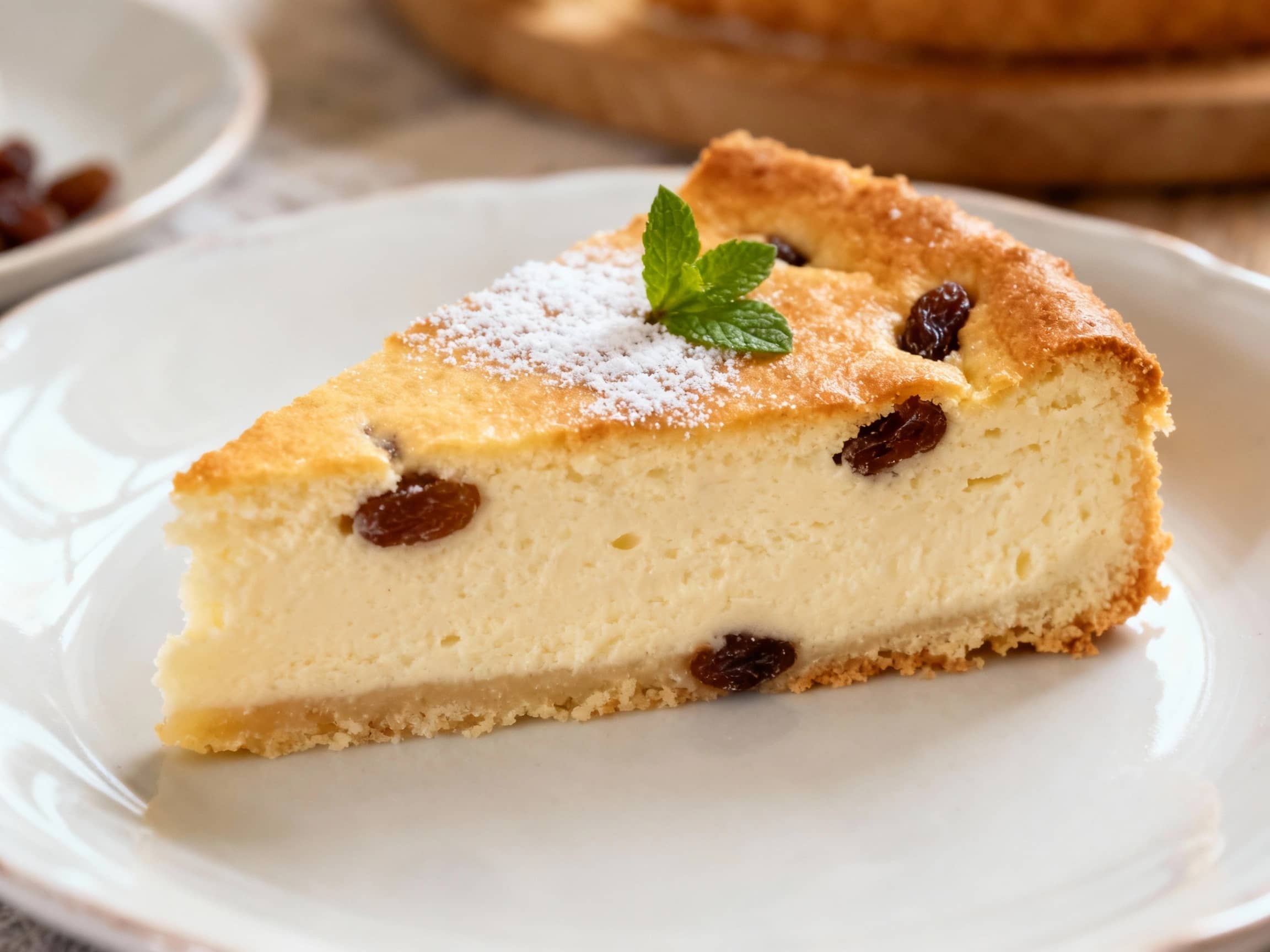
Sernik, the beloved Polish cheesecake, stands as a testament to the culinary artistry derived from simple, wholesome ingredients. Its heart is twaróg, a unique Polish farmer's cheese that imparts a distinct texture and flavor, setting it apart from its cream cheese-based cousins. While its exact origins are elusive, cheesecakes have a history stretching back to ancient times, with medieval Poland undoubtedly developing its own iterations. The popularity of sernik surged over centuries, evolving into many regional variations, each reflecting local tastes and traditions. From the dense, baked versions to lighter, no-bake styles, sernik has adapted beautifully. Common additions include raisins plumped in rum or hot water, candied peel, or a delicate hint of lemon or orange zest, all carefully folded into the creamy cheese base. Many serniki feature a thin layer of crumbly shortcrust pastry or a biscuit base, providing a delightful textural contrast. The characteristic cracked or slightly domed surface of a well-baked sernik is considered a mark of authentic preparation. Its presence is ubiquitous in Polish households, bakeries, and celebrations, often appearing at holidays, family gatherings, and afternoon coffee breaks. The dish showcases Poland's ability to transform humble dairy into a sophisticated dessert. Over time, influences from neighboring countries have also played a role, but the core twaróg foundation remains distinctly Polish, securing its place as a national culinary treasure enjoyed by generations.
History of Sernik
Early forms of cheesecakes likely existed in Polish territories, influenced by ancient traditions.
Mentions of sweet cheese dishes begin to appear in Polish historical records.
Recipes featuring cheese and sugar, precursors to modern sernik, are recorded.
The use of twaróg becomes more standardized in Polish baking.
Sernik gains widespread popularity across different social strata in Poland.
Regional variations of sernik, like 'krakowski' and 'wileński', become well-defined.
A renowned Polish pastry chef publishes a definitive guide to sernik variations.
Modern interpretations of sernik emerge, incorporating new flavors and techniques.