Rosół
Rosół
- Country
- Poland
- Region
- Not specified
- Recipes
- 3 Recipes
Origins & Characteristics of Rosół
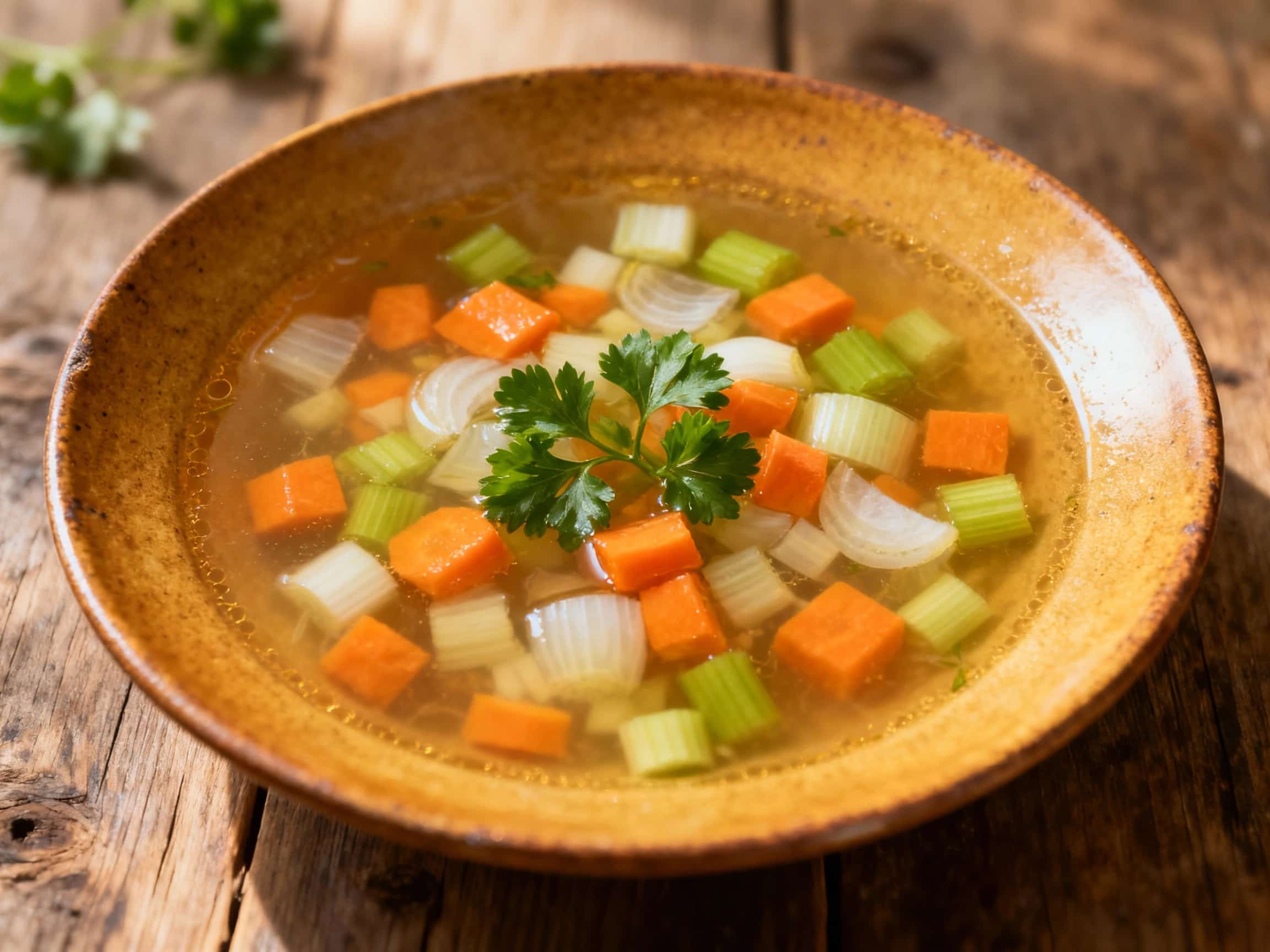
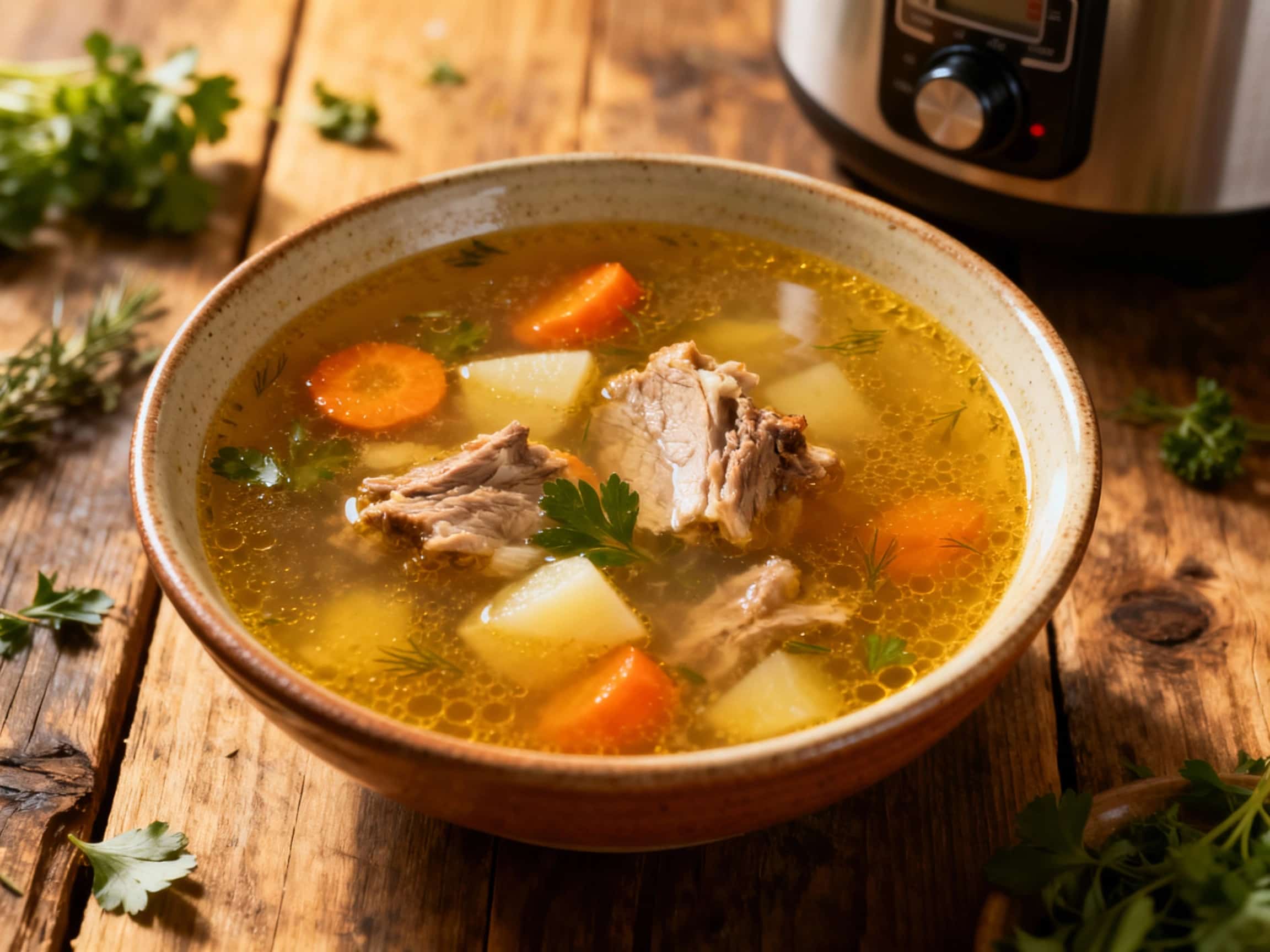
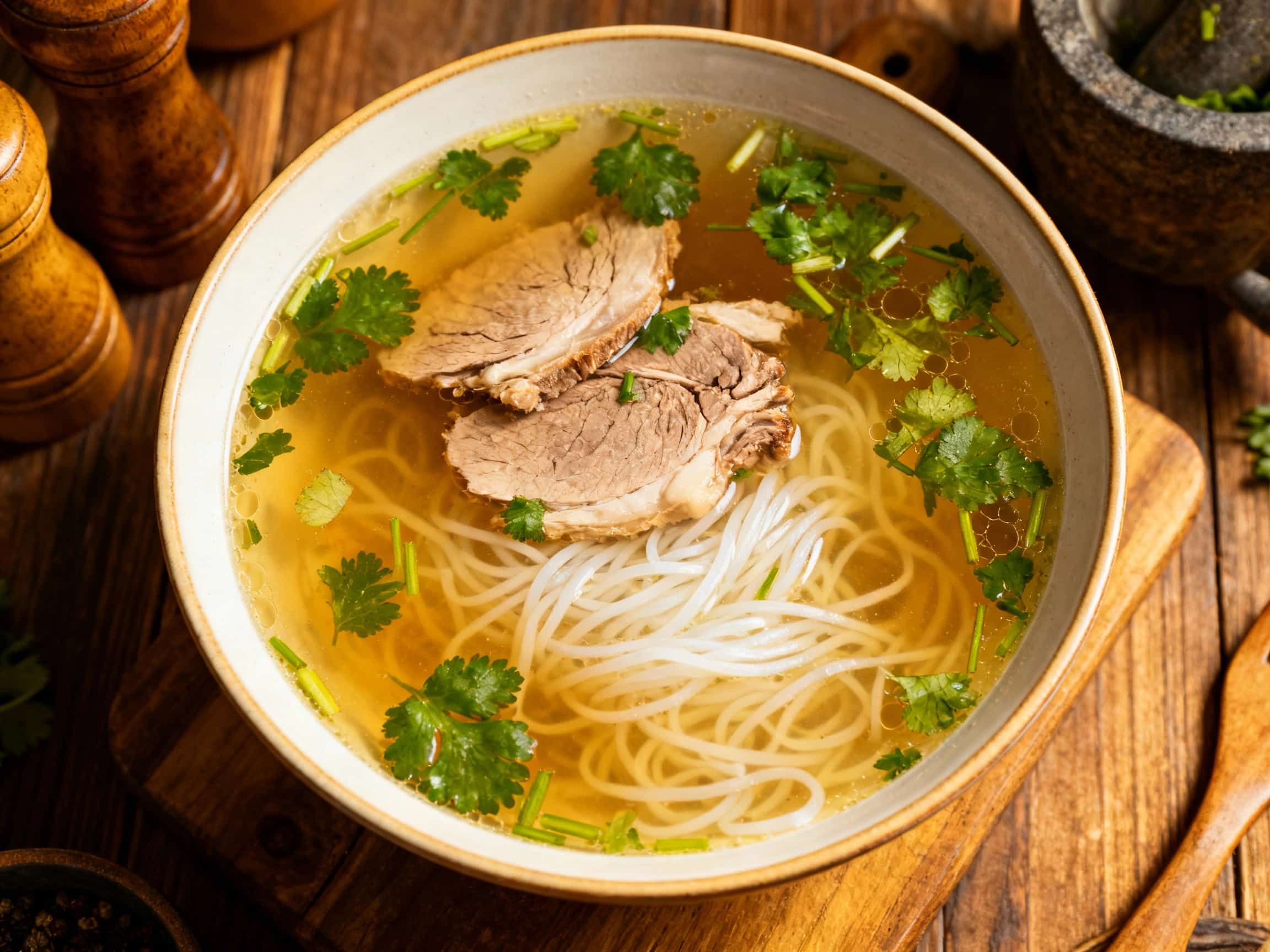
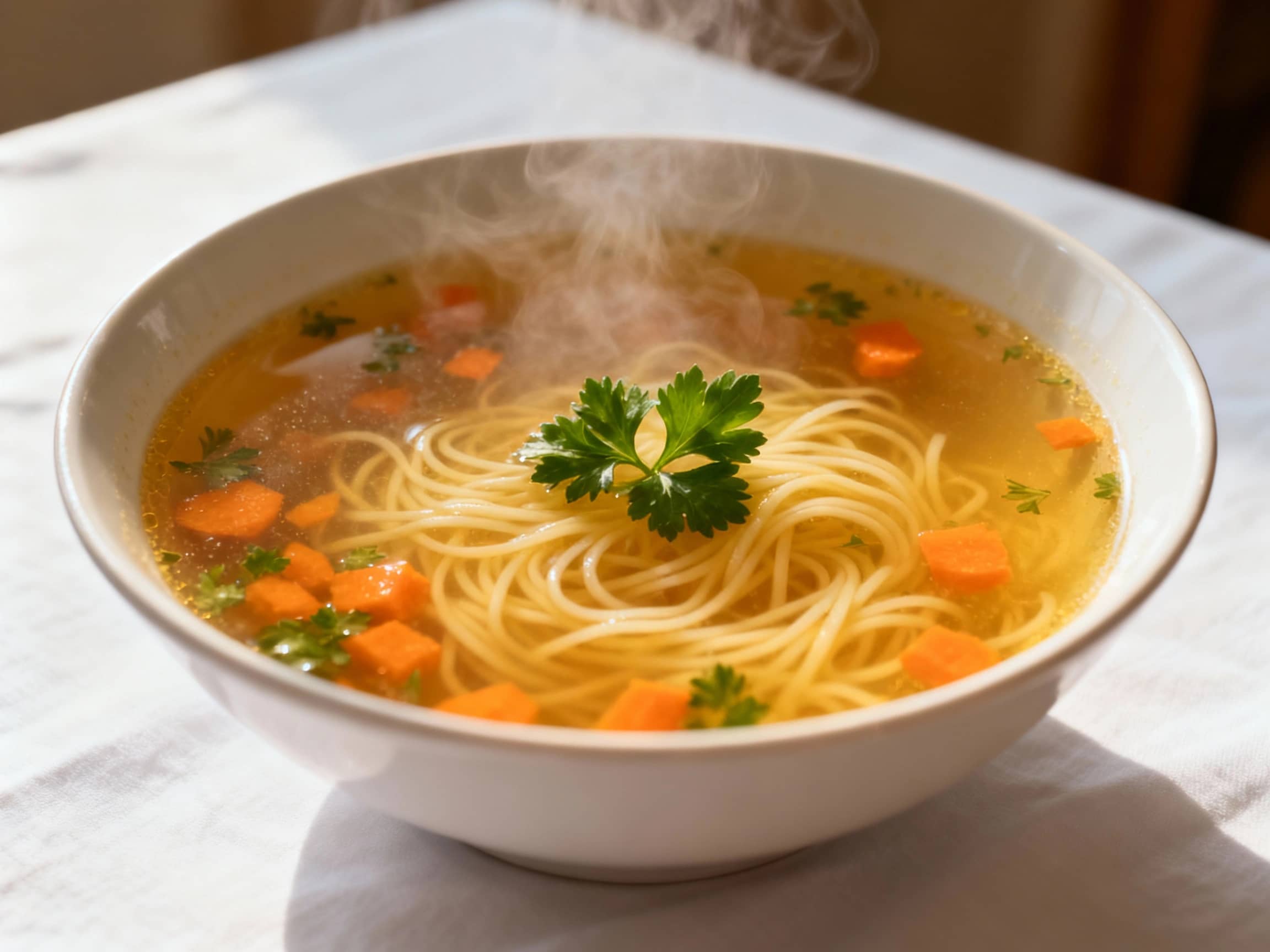
Rosół, a quintessential Polish soup, is more than just a broth; it's a culinary institution and a symbol of nurturing care. Typically made from chicken or beef bones simmered for hours with a mirepoix of vegetables such as carrots, parsley root, celery, and onion, along with herbs like parsley, lovage, and bay leaf, Rosół yields a deeply flavorful, clear golden broth. Its origins are deeply embedded in Polish history, evolving from basic peasant broths into a refined dish enjoyed across all social strata. Traditionally, it was prepared on Sundays or special occasions, signifying family gatherings and warmth. The meticulous simmering process, often passed down through generations, transforms humble ingredients into a restorative elixir. It's frequently served with fine noodles (kluski nitki) or small dumplings (lane kluski), making it a light yet satisfying meal. In Polish culture, Rosół is revered for its healing properties; it is the go-to remedy for colds, flu, or general malaise, often prepared by mothers and grandmothers to comfort and recuperate. Famous Polish writers and poets have referenced its comforting presence in their works, solidifying its place in the national consciousness. Its enduring appeal lies in its simplicity, elegance, and the profound sense of home it evokes.
History of Rosół
Basic meat broths were a common part of medieval European diets.
Refined broths become more common in aristocratic Polish cuisine.
Rosół becomes a staple in Polish households, especially for Sunday meals.
The soup solidifies its reputation as a restorative remedy for illness.
Post-war Polish cookbooks widely feature recipes for Rosół.
Became a culinary icon celebrated in Polish cultural events.
Gourmet variations and modern presentations gain traction.