Rendang
Rendang
- Country
- Indonesia
- Region
- West Sumatra
- Recipes
- 3 Recipes
Origins & Characteristics of Rendang
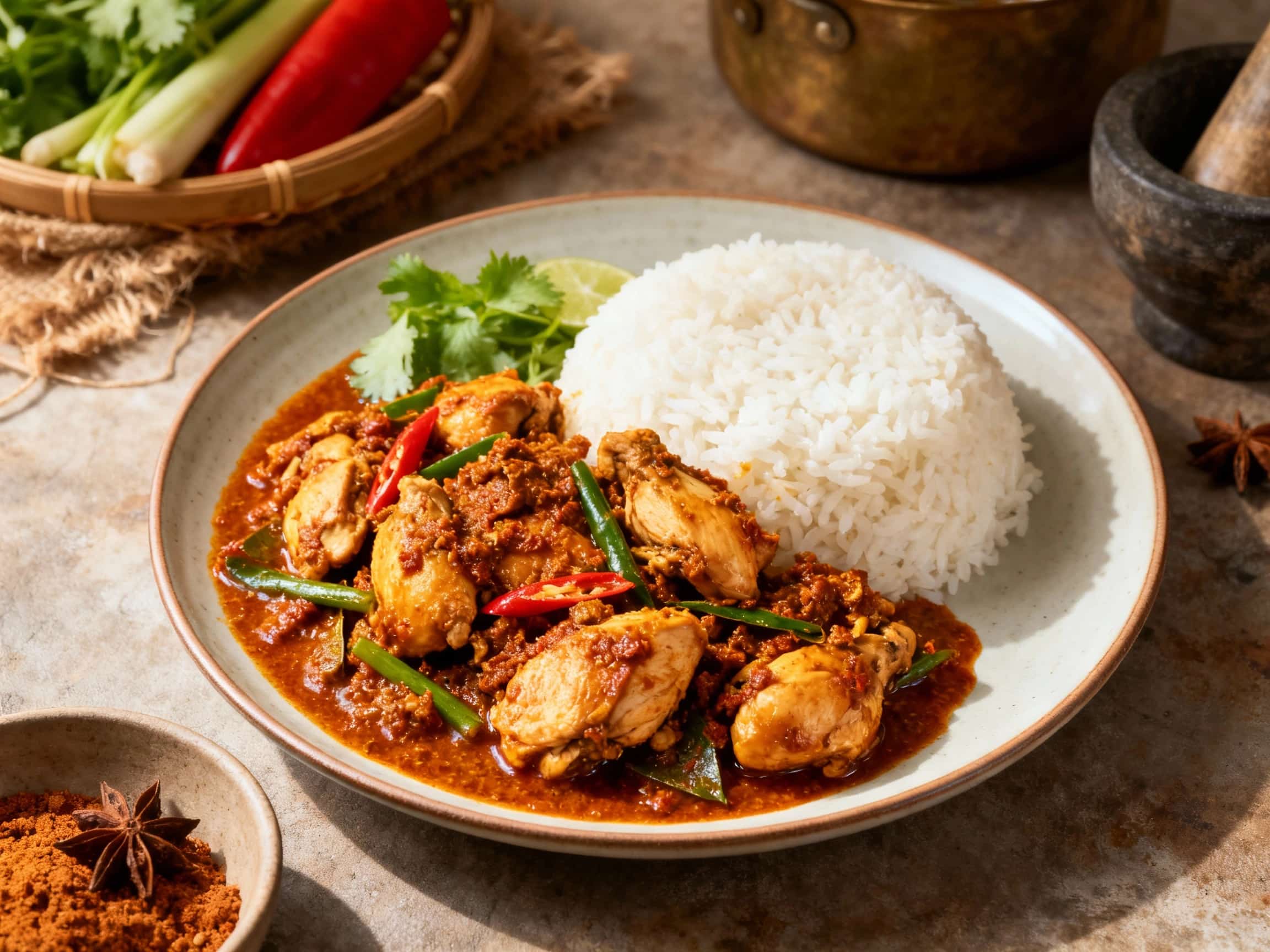
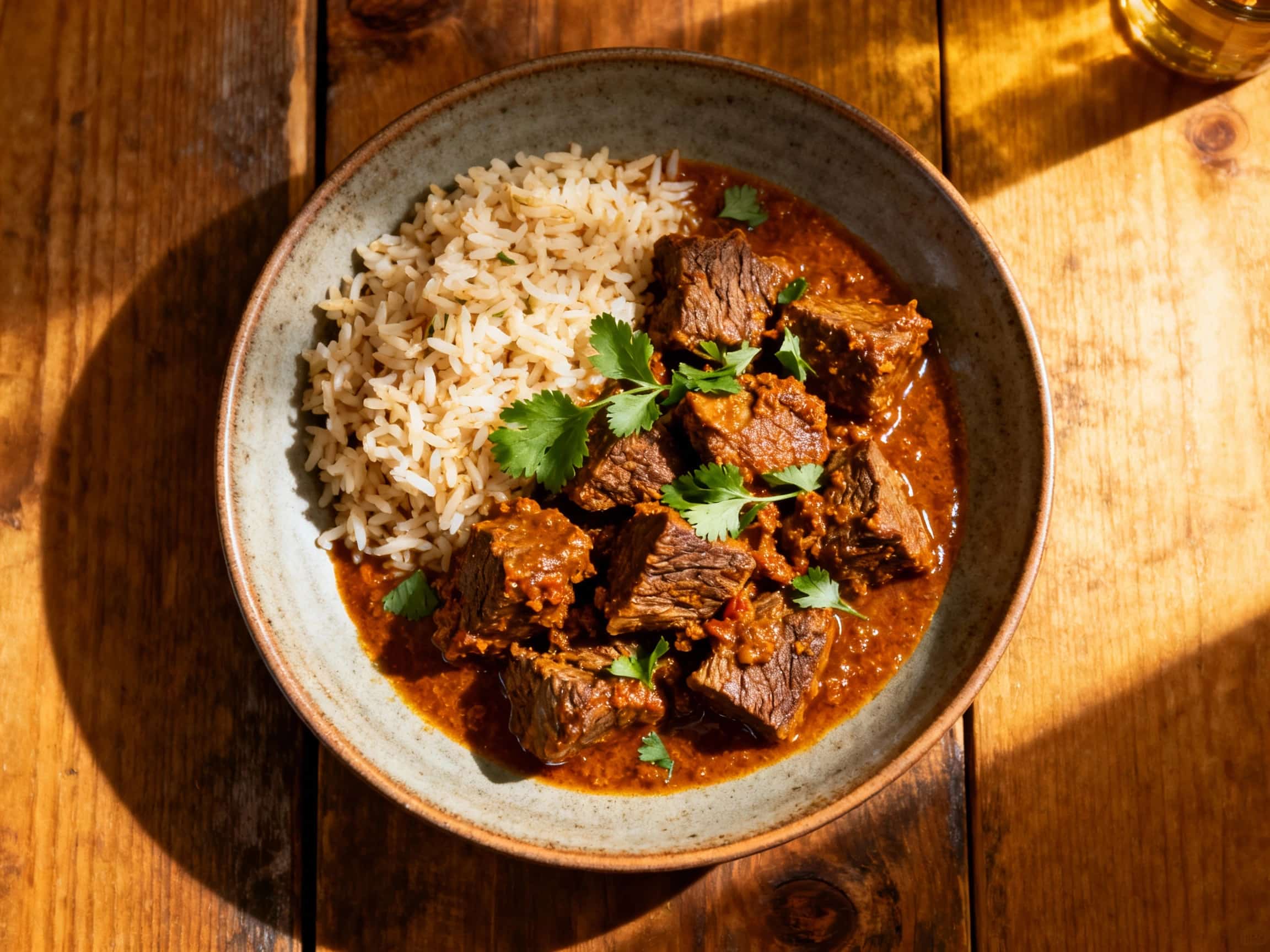
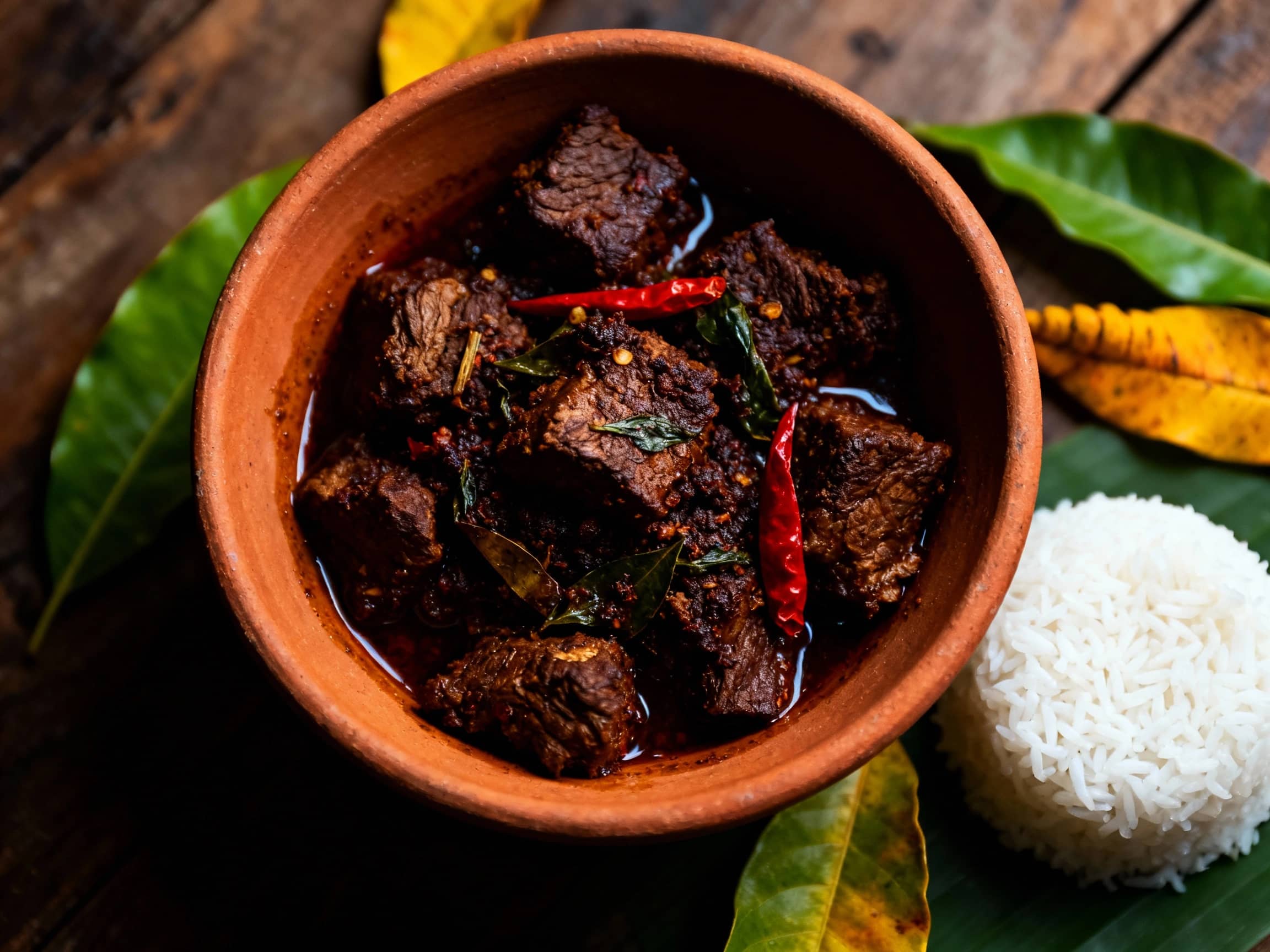
Rendang, a culinary masterpiece hailing from the Minangkabau people of West Sumatra, Indonesia, is more than just a dish; it is a testament to patience, intricate spice blending, and the profound use of local ingredients. Its origins are deeply rooted in the region's rich history, with variations possibly dating back centuries, emerging as a method to preserve meat in the tropical climate through slow cooking and the antimicrobial properties of its spices and coconut milk. The process involves slow-simmering beef in coconut milk and a complex paste of ground spices like ginger, galangal, turmeric leaves, lemongrass, garlic, and chilies for hours, sometimes up to six, until the liquid evaporates and the meat becomes incredibly tender and infused with flavor. This slow cooking transforms the ingredients, caramelizing the coconut milk and spices to create a dark, rich, and slightly oily finish. Rendang holds immense cultural significance, often prepared for ceremonial occasions such as weddings, Eid al-Fitr, and other celebrations, symbolizing a well-cooked life and prosperity. Its complexity and demanding preparation make it a dish of high honor and respect. The "dry" rendang, which is fully caramelized, is considered the most prized. This dish is a cornerstone of Minangkabau cuisine and a point of pride for Indonesia, recognized globally for its exceptional depth of flavor.
History of Rendang
Early forms of slow-cooked meat dishes likely existed in West Sumatra
The name 'Rendang' begins to appear in regional literature and culinary discussions
Standardized recipes and techniques for Rendang start to be documented more widely
Rendang gains broader recognition within Indonesia as a key Minangkabau dish
CNN poll ranks Rendang as the world's number one dish
Declared by UNESCO as one of Indonesia's intangible cultural heritages