Reibekuchen
Reibekuchen
- Country
- Germany
- Region
- Rhineland
- Recipes
- 3 Recipes
Origins & Characteristics of Reibekuchen
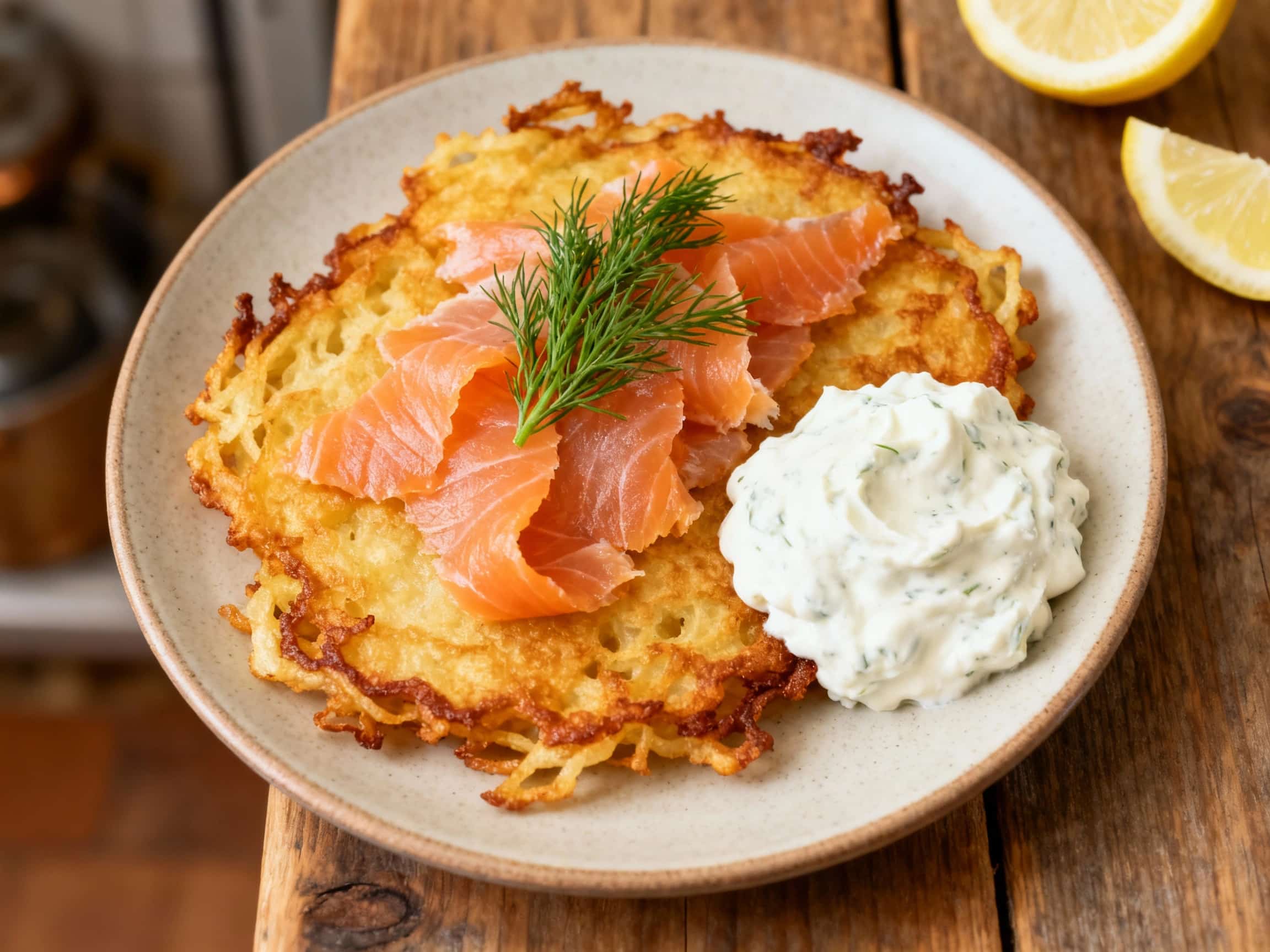
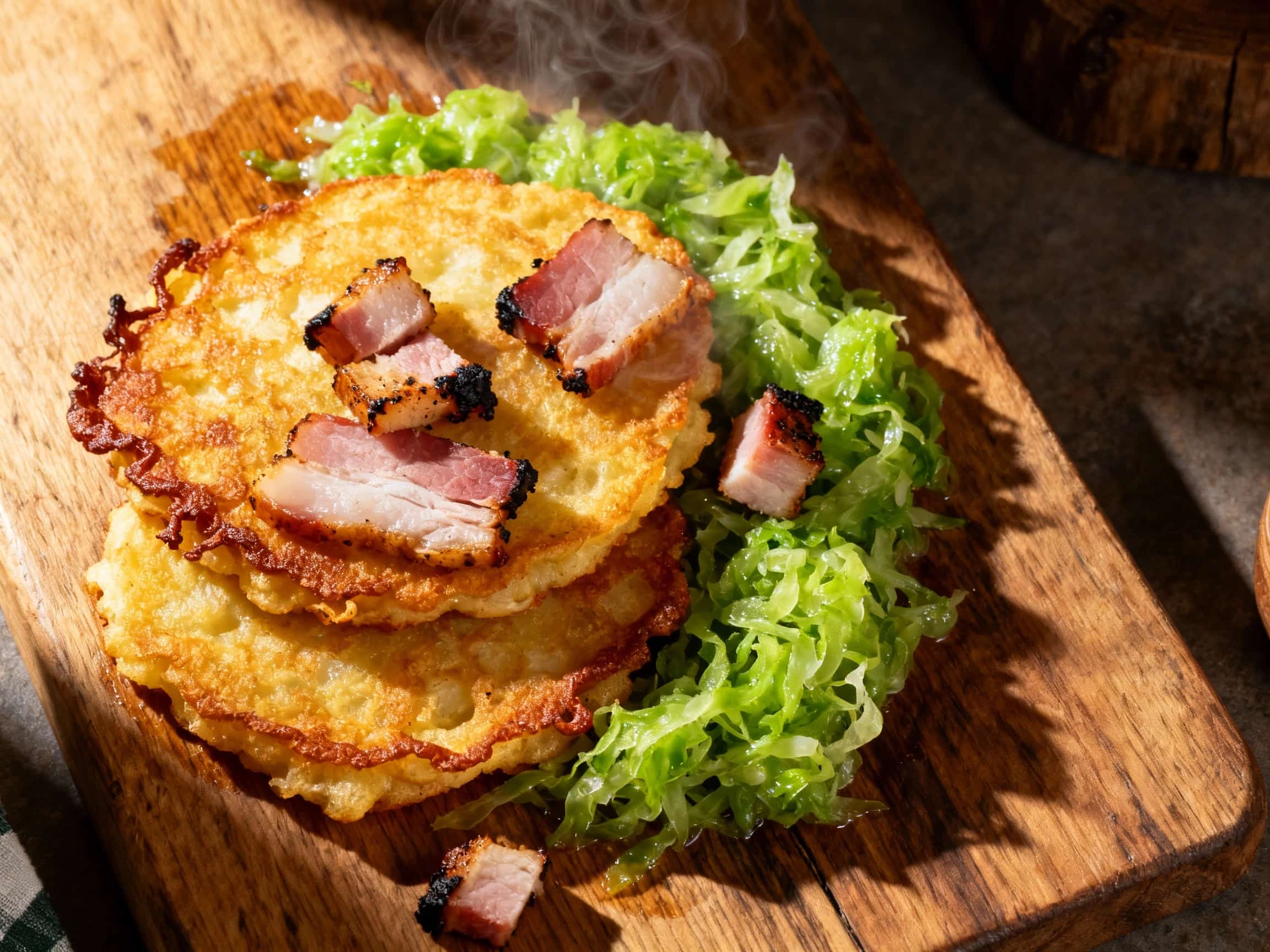
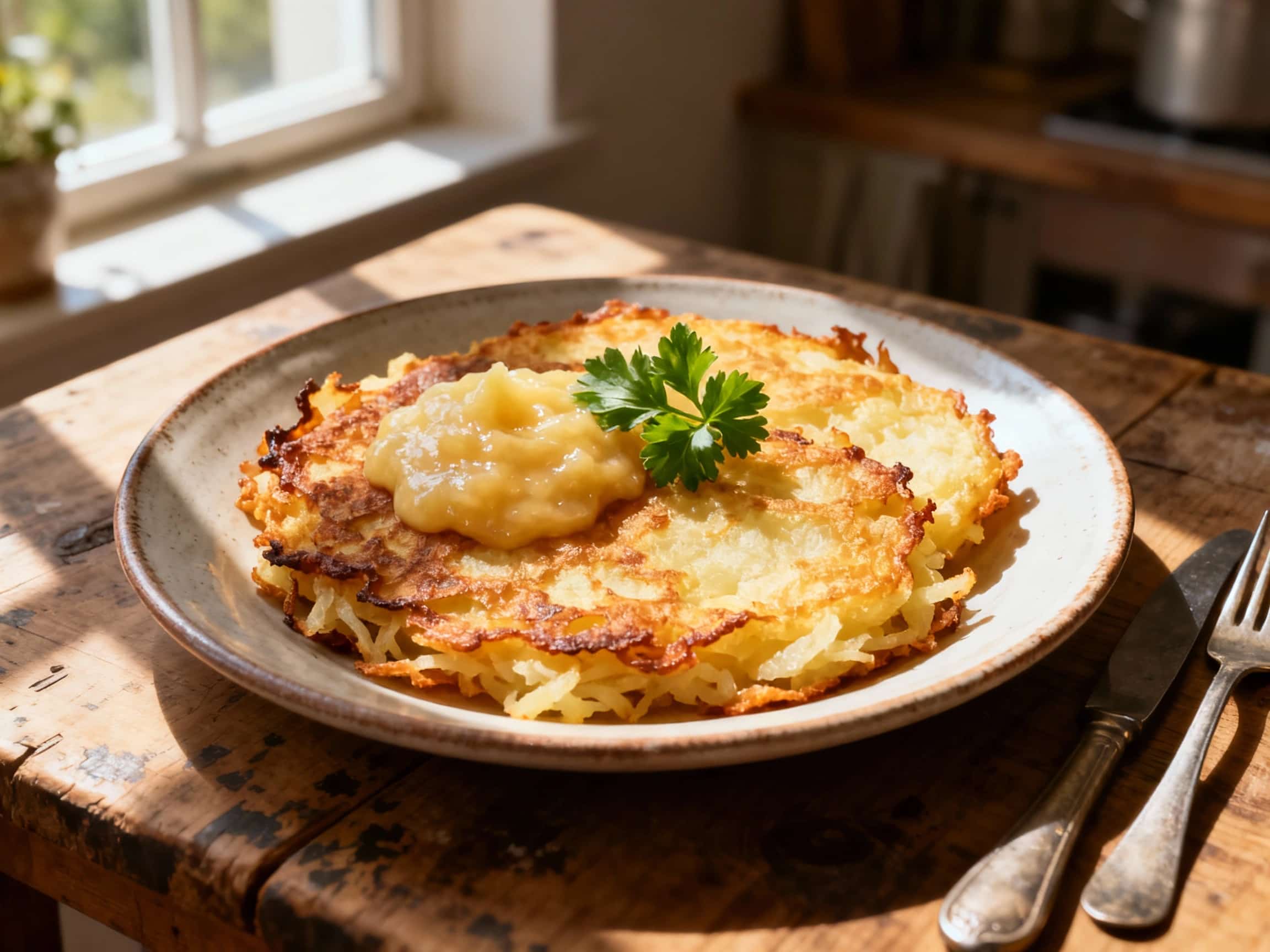
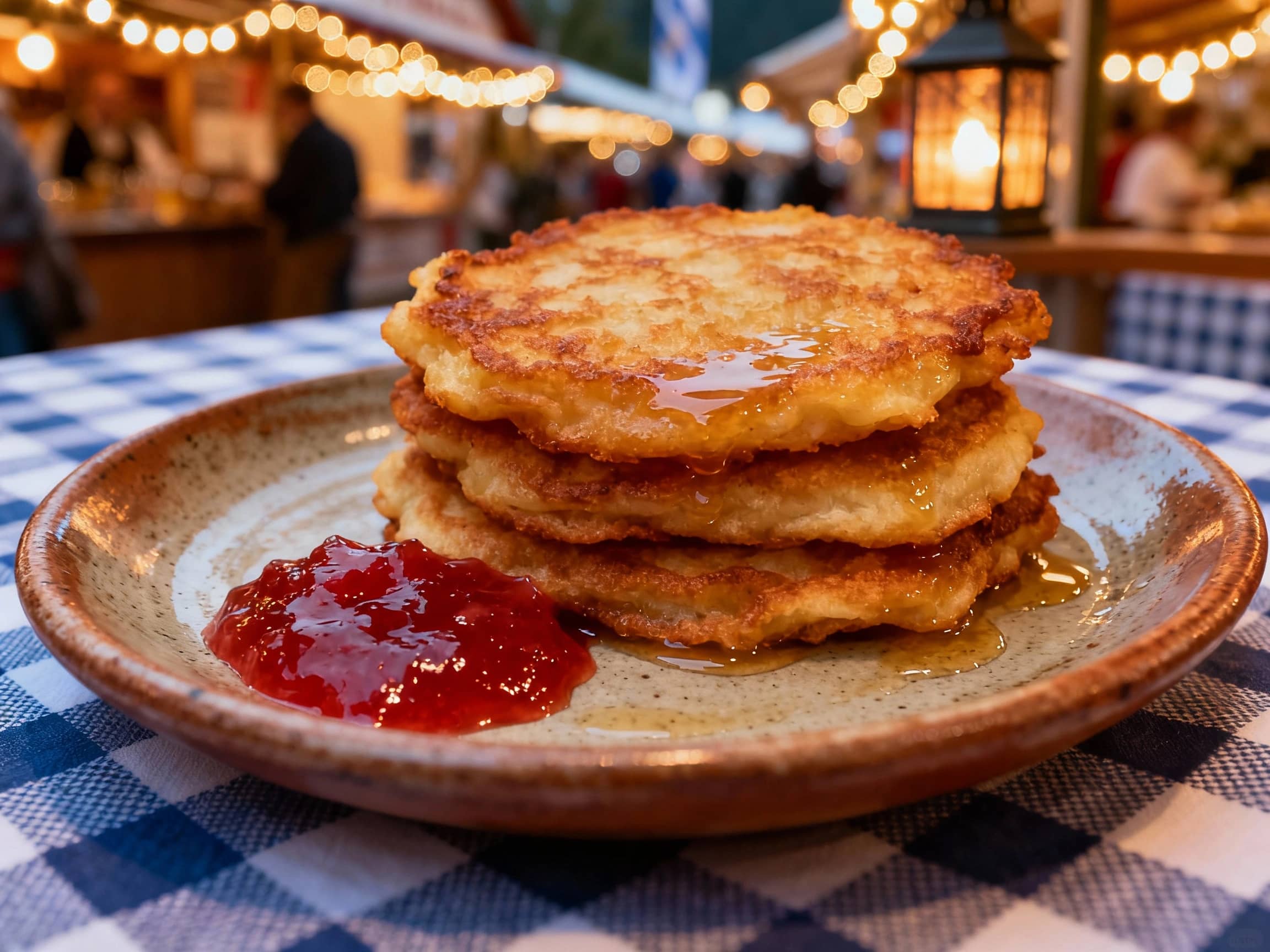
Reibekuchen, also famously known as Kartoffelpuffer or Rheinische Kartoffelpuffer, are a beloved staple of German cuisine, particularly celebrated in the Rhineland region. These crispy potato pancakes are a testament to the culinary ingenuity of utilizing simple, readily available ingredients to create a profoundly satisfying dish. Their history is rooted in peasant cookery, where the bounty of the potato, introduced to Germany in the 17th century, was transformed into a comforting and versatile meal. The early versions were likely simpler preparations, pan-fried by necessity. The specific regional variations developed over time, with the Rhineland embracing them as a quintessential comfort food, often found at local festivals, markets, and family gatherings. The preparation involves coarsely grating raw potatoes, mixing them with finely chopped onions, eggs, and a binder like flour or matzo meal. This mixture is then pan-fried in hot fat (typically lard or vegetable oil) until golden brown and irresistibly crispy on the outside, yet tender on the inside. Their cultural significance lies in their ubiquitous presence at traditional German celebrations and as a popular street food. Historically, they were a way to stretch a meal, providing hearty sustenance. While the dish itself doesn't have a single famous inventor, its evolution is tied to the broader development of German potato dishes. The 19th and 20th centuries saw Reibekuchen become a steadfast fixture, especially during autumn and winter months, and at Christmas markets. Today, they are enjoyed in countless households and restaurants, a nostalgic link to culinary heritage. Many families have their own treasured recipes passed down through generations, each with subtle differences in spice or texture, cementing their place as a beloved German classic.
History of Reibekuchen
Potatoes become widely cultivated in Germany, forming the basis for many new dishes like early potato pancakes.
Recipes for 'Reibekuchen' or similar potato fritters begin appearing in Rhineland cookbooks.
German bakeries and street vendors start popularizing potato pancakes as a common snack and treat.
The dish becomes a staple at Rhineland harvest festivals and folk celebrations.
A specific regional festival dedicated to 'Kartoffelpuffer' is established in the Rhineland, boosting its fame.
Advancements in non-stick pan technology make preparing crispy Reibekuchen easier for home cooks.
Gourmet chefs begin experimenting with Reibekuchen, introducing refined toppings and dessert versions.