Placki Ziemniaczane
Placki ziemniaczane
- Country
- Poland
- Region
- Not specified
- Recipes
- 3 Recipes
Origins & Characteristics of Placki Ziemniaczane
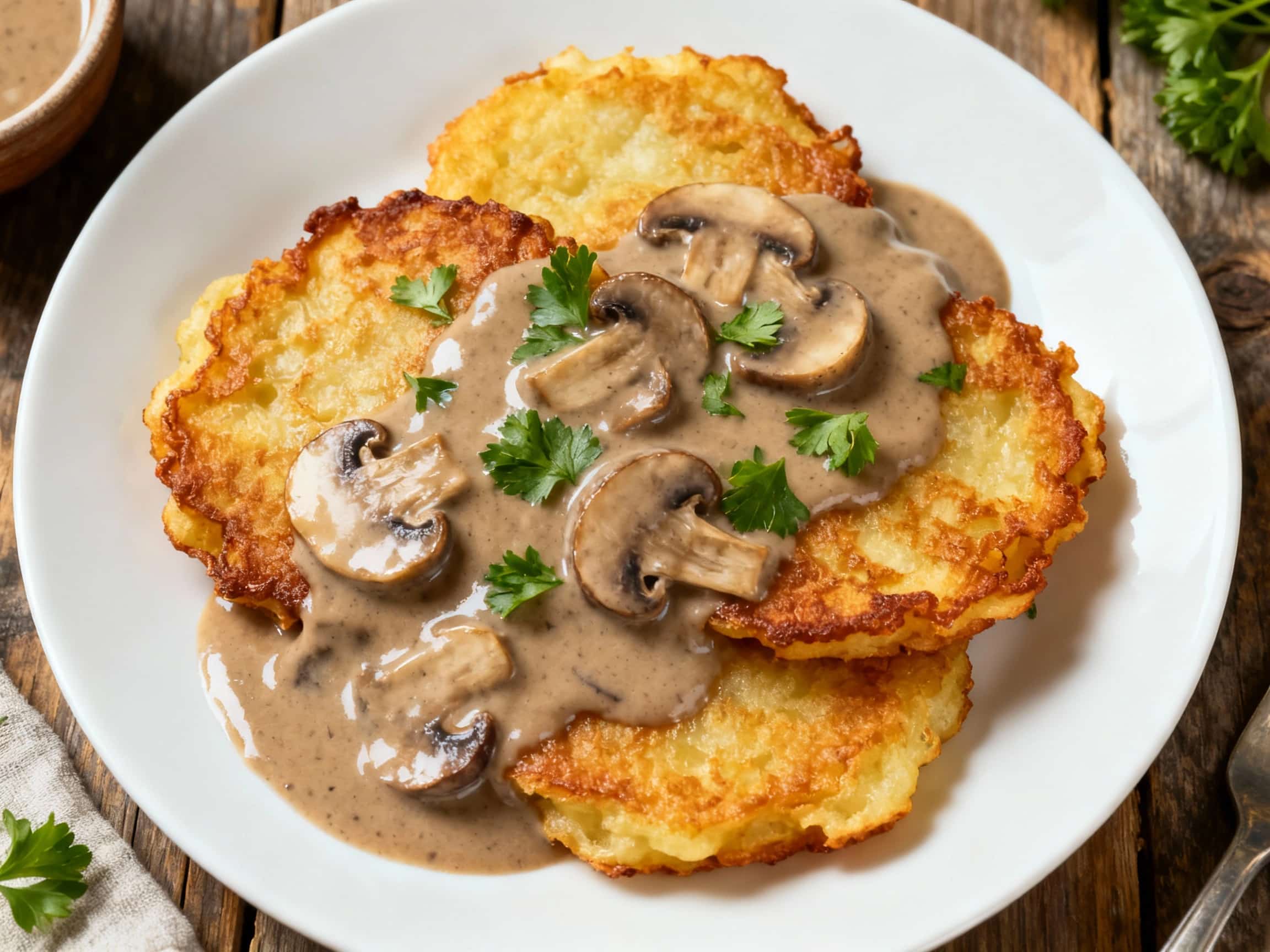
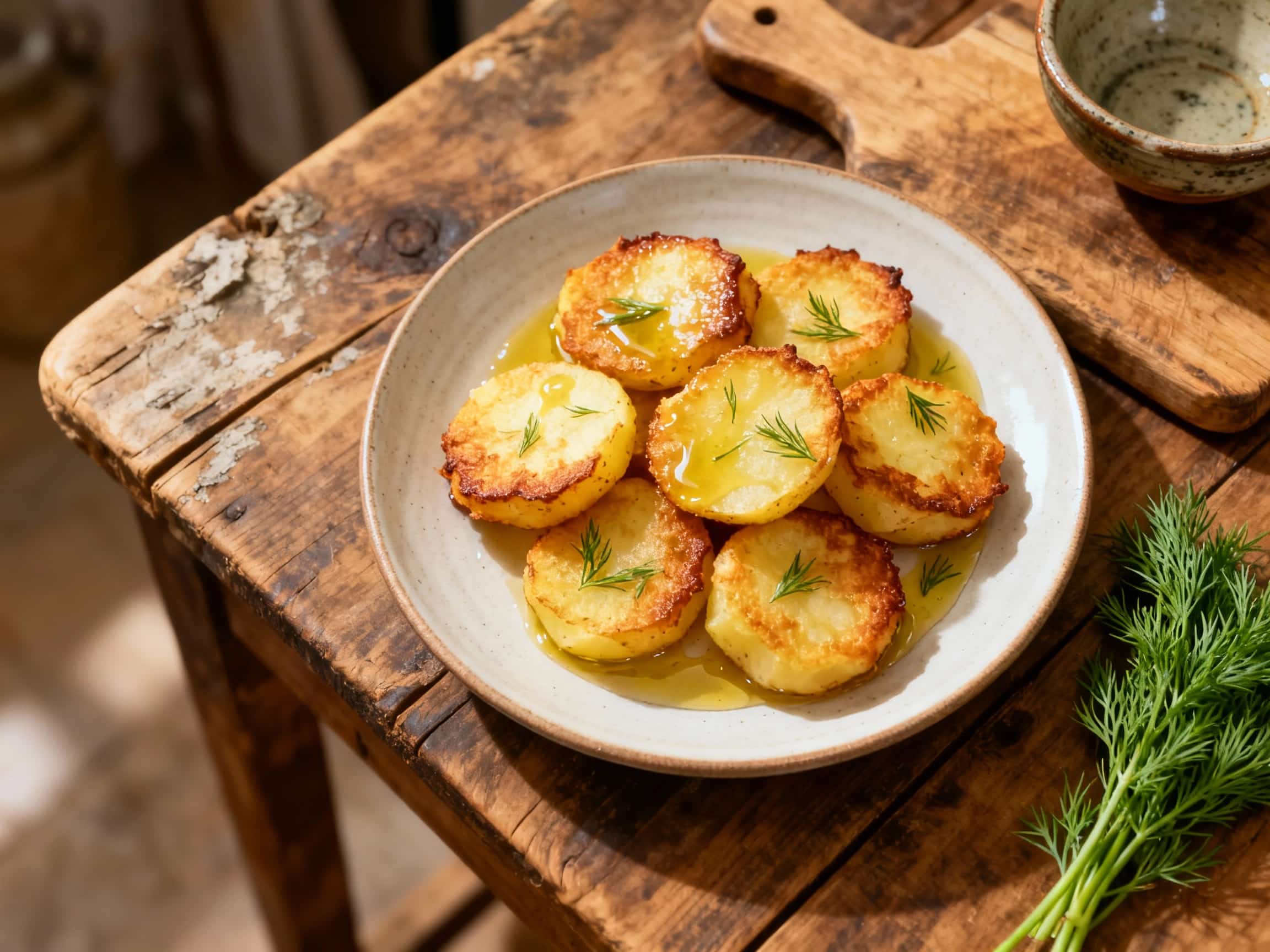
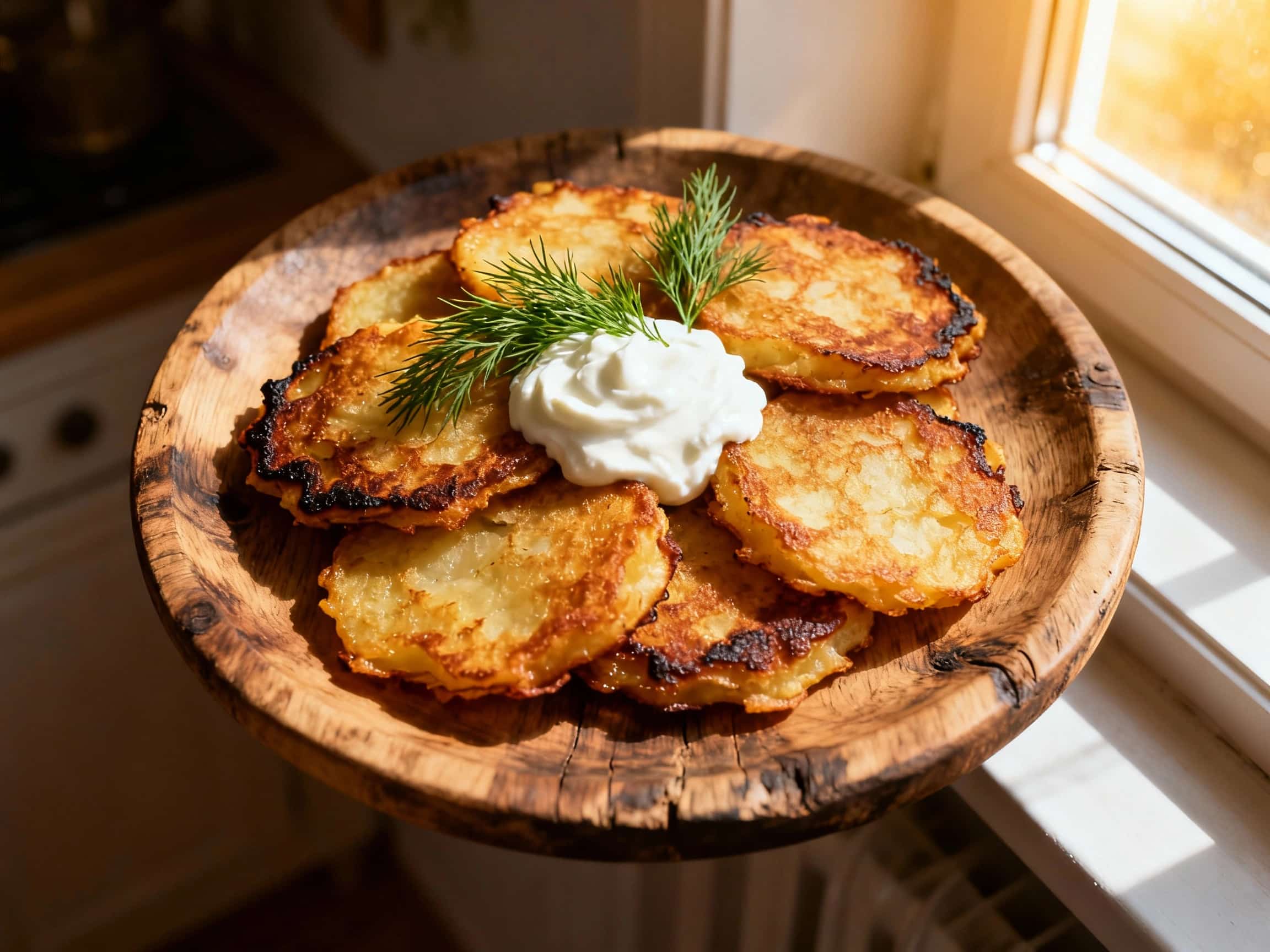
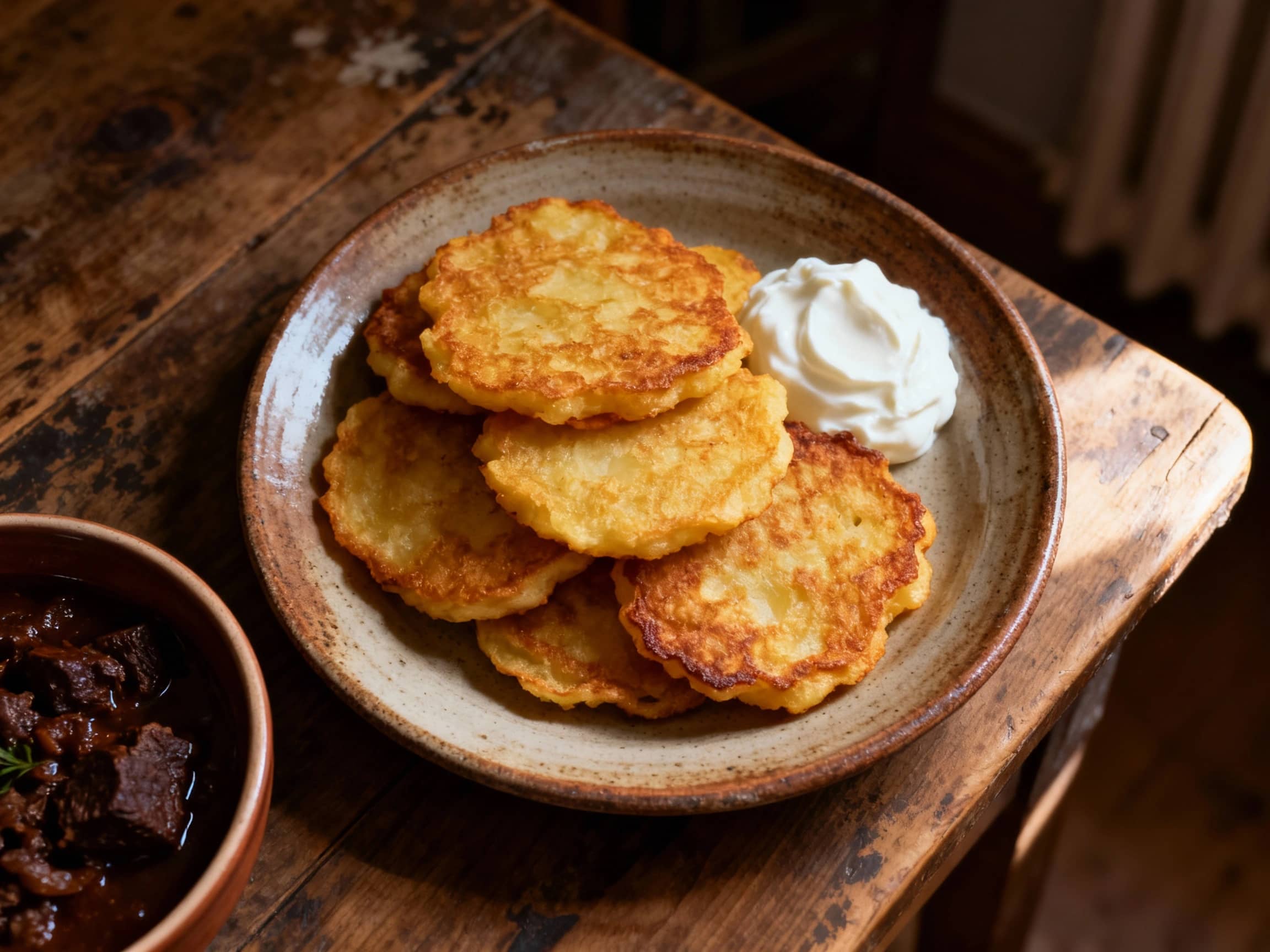
Placki ziemniaczane, or Polish potato pancakes, are a beloved and versatile dish deeply rooted in Polish culinary tradition. Their origins can be traced back to the late 19th century, when potatoes became a staple ingredient across Europe. Initially a peasant dish, placki ziemniaczane provided a simple yet filling meal, utilizing readily available ingredients. Over time, their popularity grew, spreading from humble farm kitchens to elegant city restaurants. The dish's simplicity allows for myriad variations; some are served sweet with sugar or fruit preserves, while others are prepared as a savory main course, often accompanied by goulash (a hearty meat stew), sour cream, or mushroom sauce. They are particularly popular during autumn and winter months, offering warmth and comfort. While there isn't a single "inventor" or specific famous personality tied to their creation, their enduring presence in Polish households speaks volumes about their cultural significance. They are a testament to the ingenuity of Polish cuisine, transforming a simple tuber into a delightful and satisfying dish adored by generations. Their presence is almost ubiquitous in Polish homes, restaurants, and social gatherings, symbolizing a taste of home and a connection to Poland's rich agricultural heritage. The crispy exterior and tender interior make them a universally appealing comfort food.
History of Placki Ziemniaczane
Potatoes become a staple food in Poland, paving the way for dishes like potato pancakes.
Placki ziemniaczane start appearing as a common, simple meal in rural households.
The dish gains wider recognition and is adopted by urban eateries.
Becomes a regular feature in Polish cookbooks and family recipes.
Regional variations and serving styles are documented extensively.
Modern culinary adaptations and international popularity emerge.