Pierogi Ruskie
Pierogi ruskie
- Country
- Poland
- Region
- Not specified
- Recipes
- 3 Recipes
Origins & Characteristics of Pierogi Ruskie
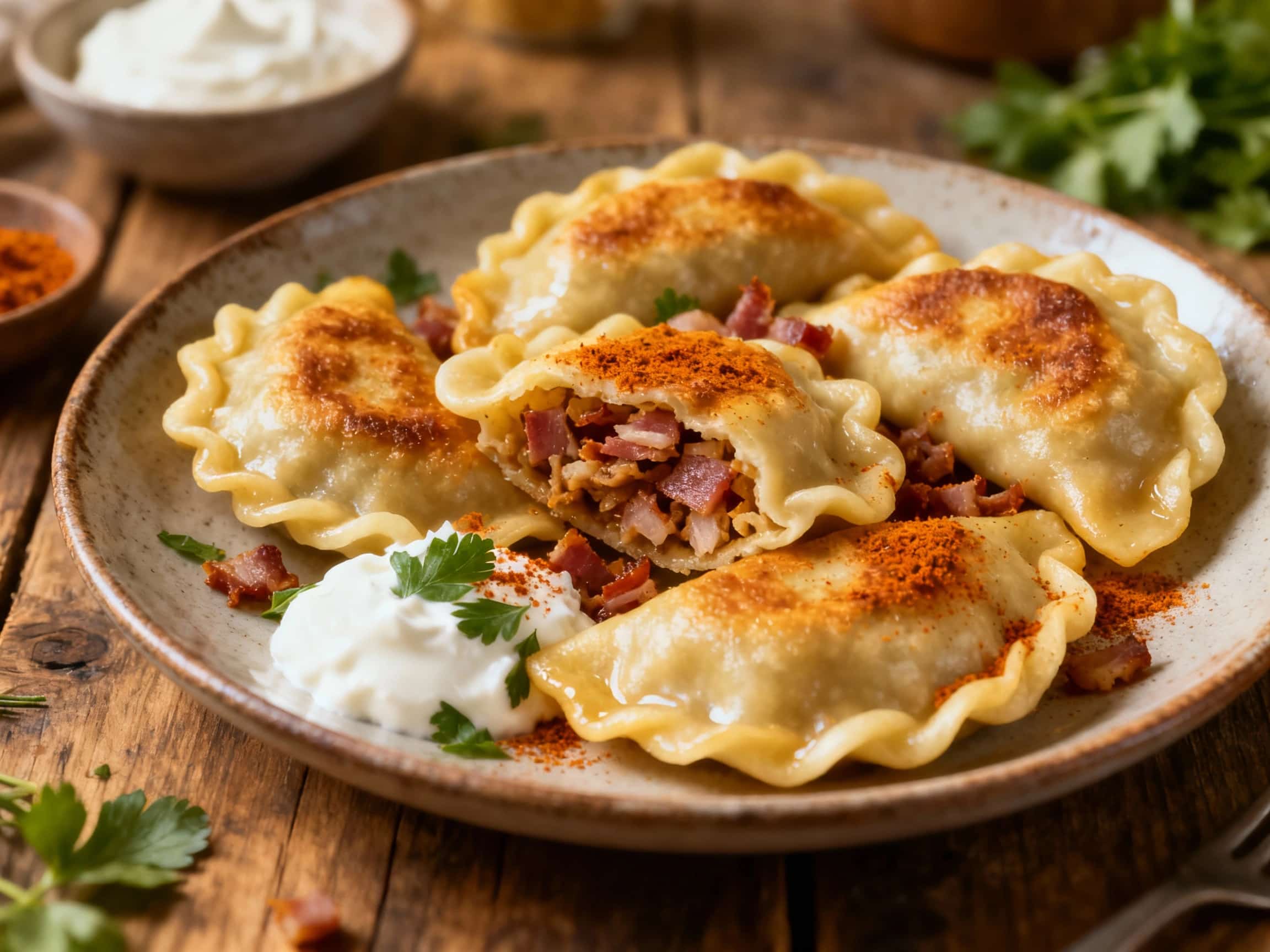
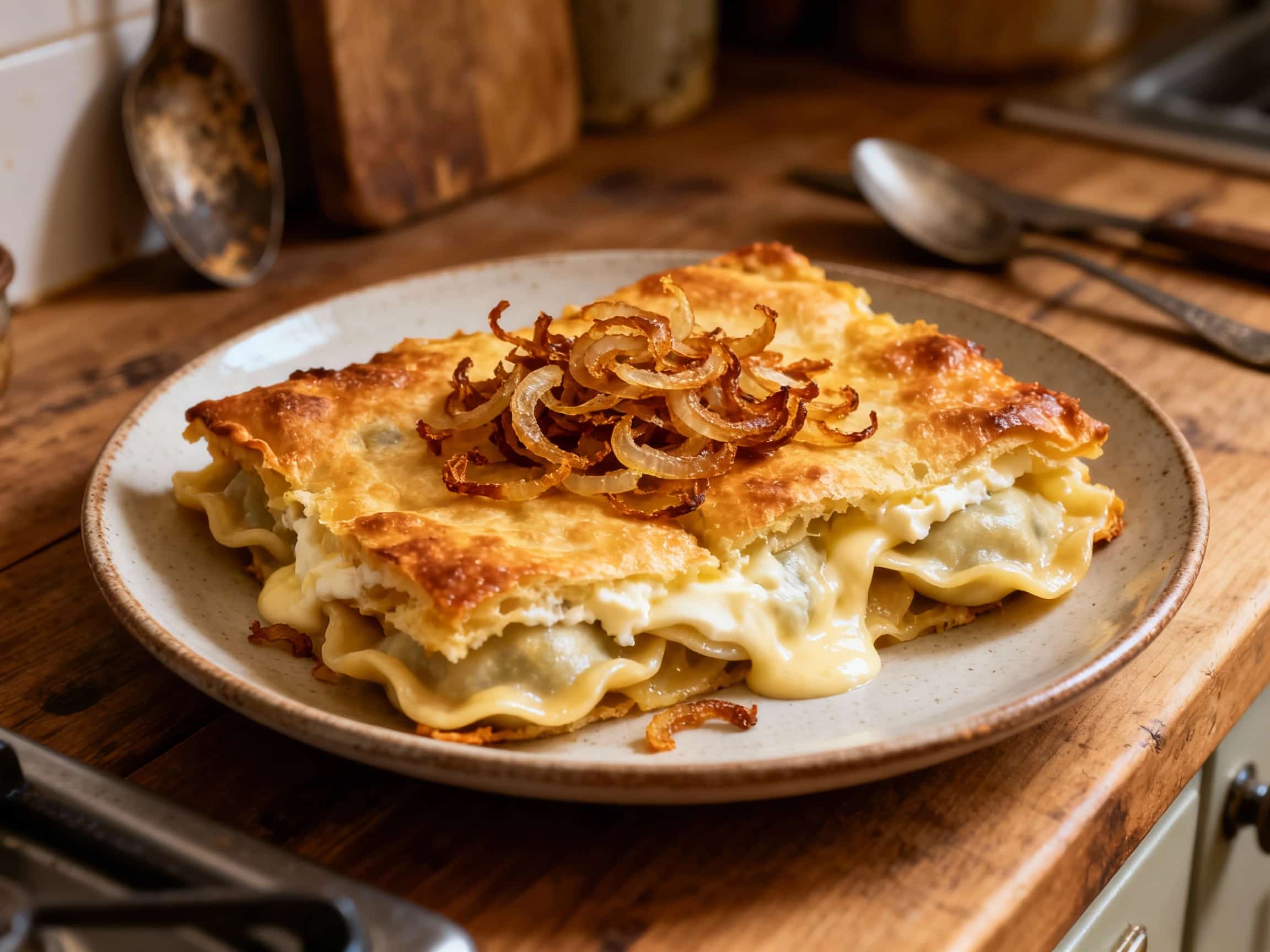
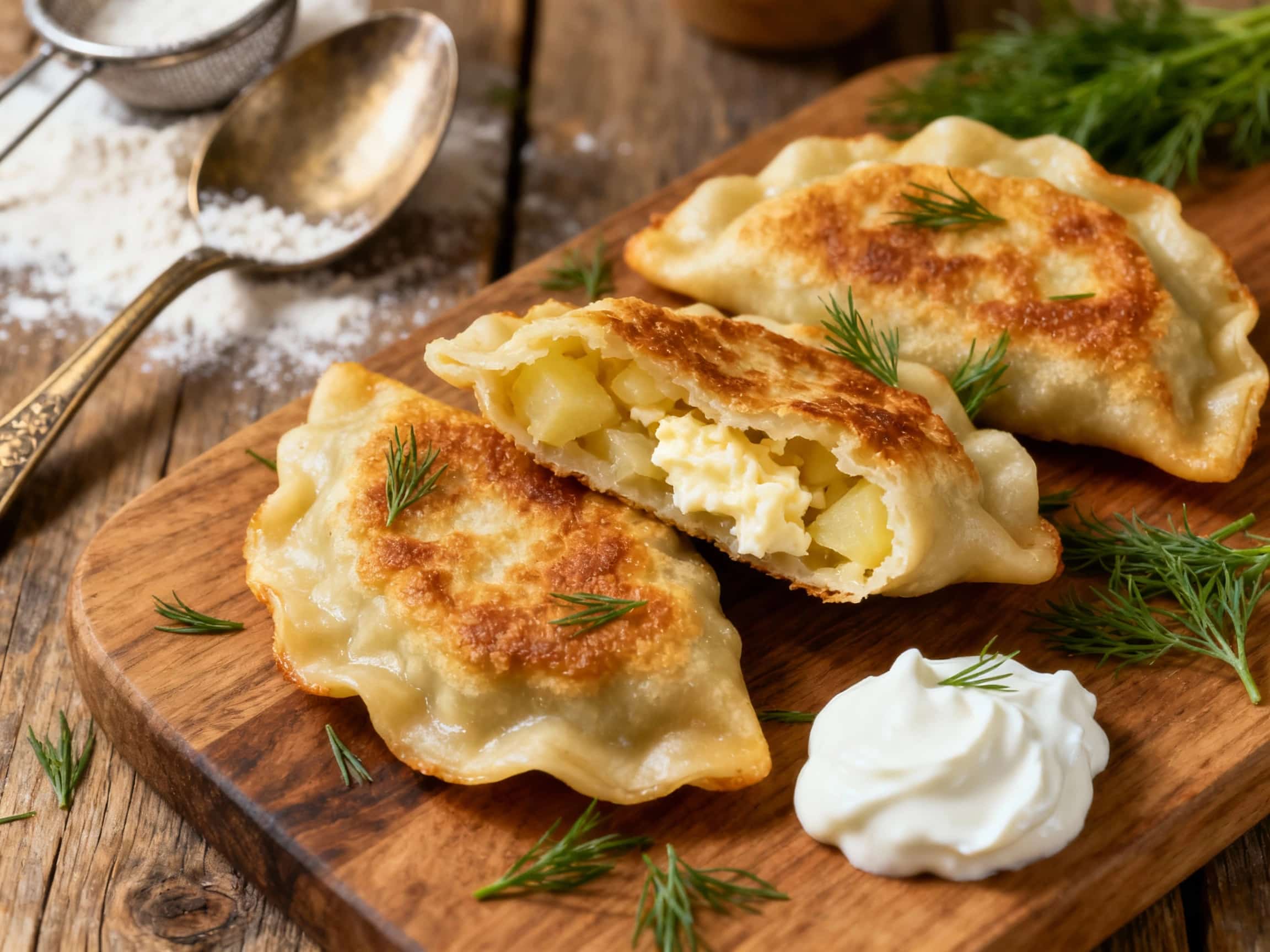
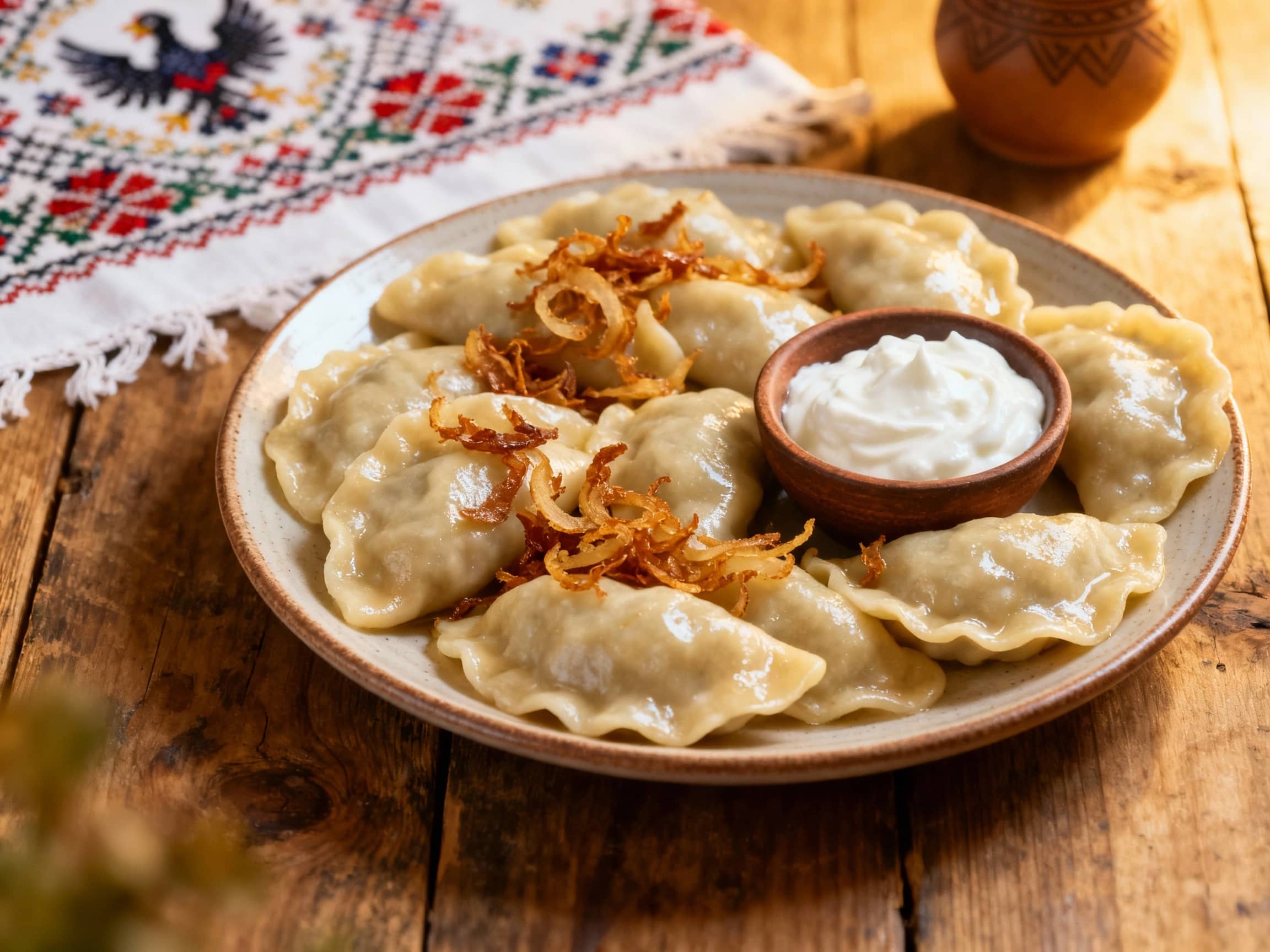
Pierogi Ruskie, a quintessential Polish dumpling, boasts a comforting filling of mashed potatoes, twaróg (farmer's cheese), and caramelized onions. Their name, meaning 'Ruthenian pierogi,' hints at an origin tied to the historical region of Red Ruthenia, now partly in Ukraine. These dumplings are a staple across Poland, enjoyed in various forms – boiled until tender, or pan-fried to a delightful crispness, often served with a dollop of sour cream or crispy bacon bits. Their popularity has transcended borders, with variations found in other Eastern European cuisines. Historically, pierogi have been a symbol of Polish culinary heritage, evolving from simple peasant fare to a beloved national dish. While their exact origins are debated, evidence suggests their presence in Polish cuisine dating back to at least the 13th century. In modern times, Pierogi Ruskie remain a crowd-pleaser, found in homes, restaurants, and festivals throughout Poland, embodying the warmth and tradition of Polish hospitality. They are often associated with family gatherings and celebrations, a testament to their enduring appeal and cultural significance.
History of Pierogi Ruskie
Pierogi-like dumplings are believed to have appeared in Poland, evolving from earlier Eastern European traditions.
First known printed recipe mentioning pierogi, possibly including early versions of Pierogi Ruskie, appears in cookbooks.
After Poland regained independence, pierogi became a stronger symbol of national culinary identity.
Post-war period sees a surge in pierogi's popularity as an affordable and filling meal across Poland.
The fall of communism leads to increased international exposure and appreciation for Polish cuisine, including Pierogi Ruskie.
Pierogi Ruskie are recognized as a significant element of Polish culinary heritage during the European Capital of Culture events.