Pavlova
Pavlova
- Country
- New Zealand
- Region
- Not specified
- Recipes
- 3 Recipes
Origins & Characteristics of Pavlova
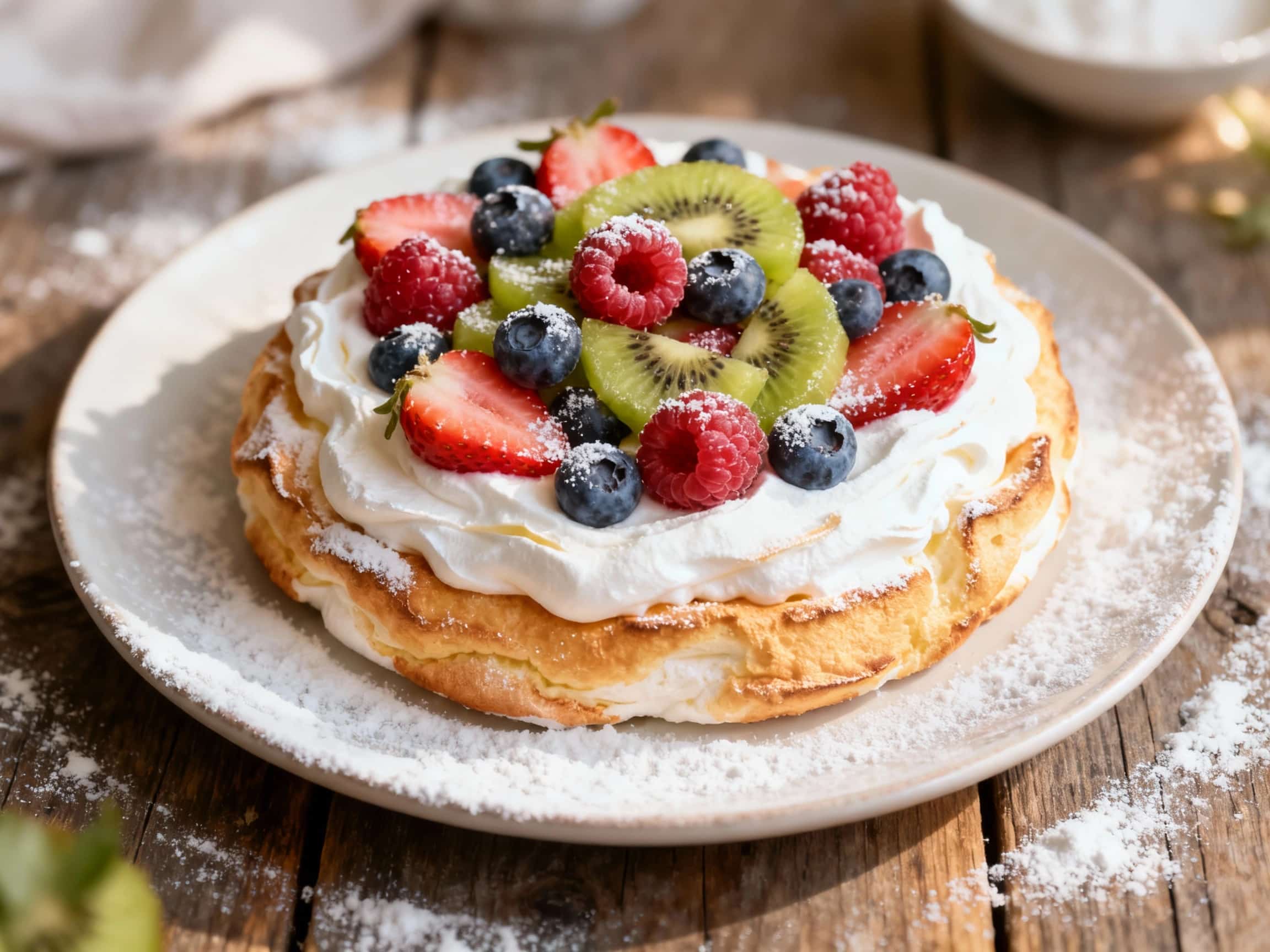
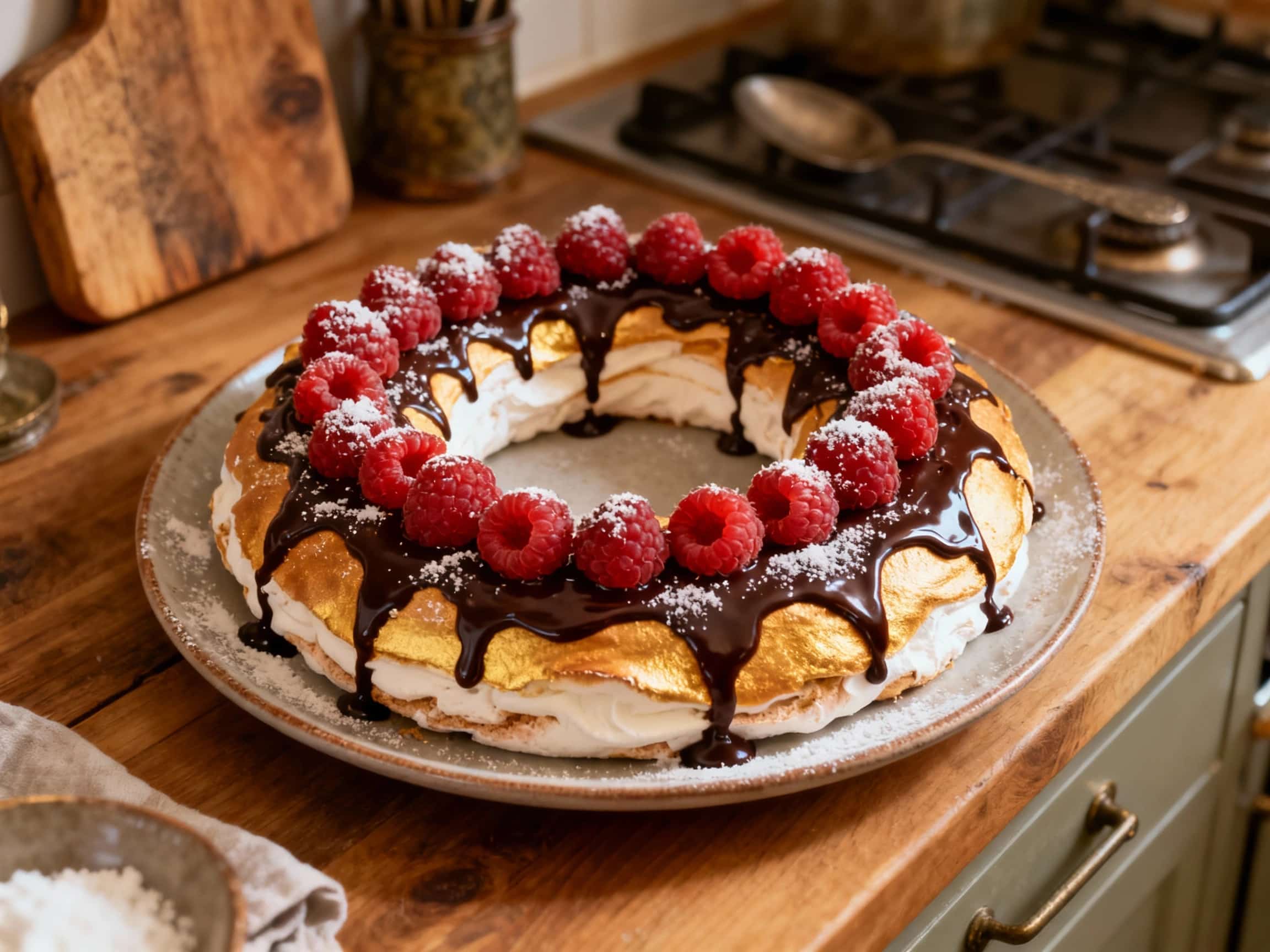
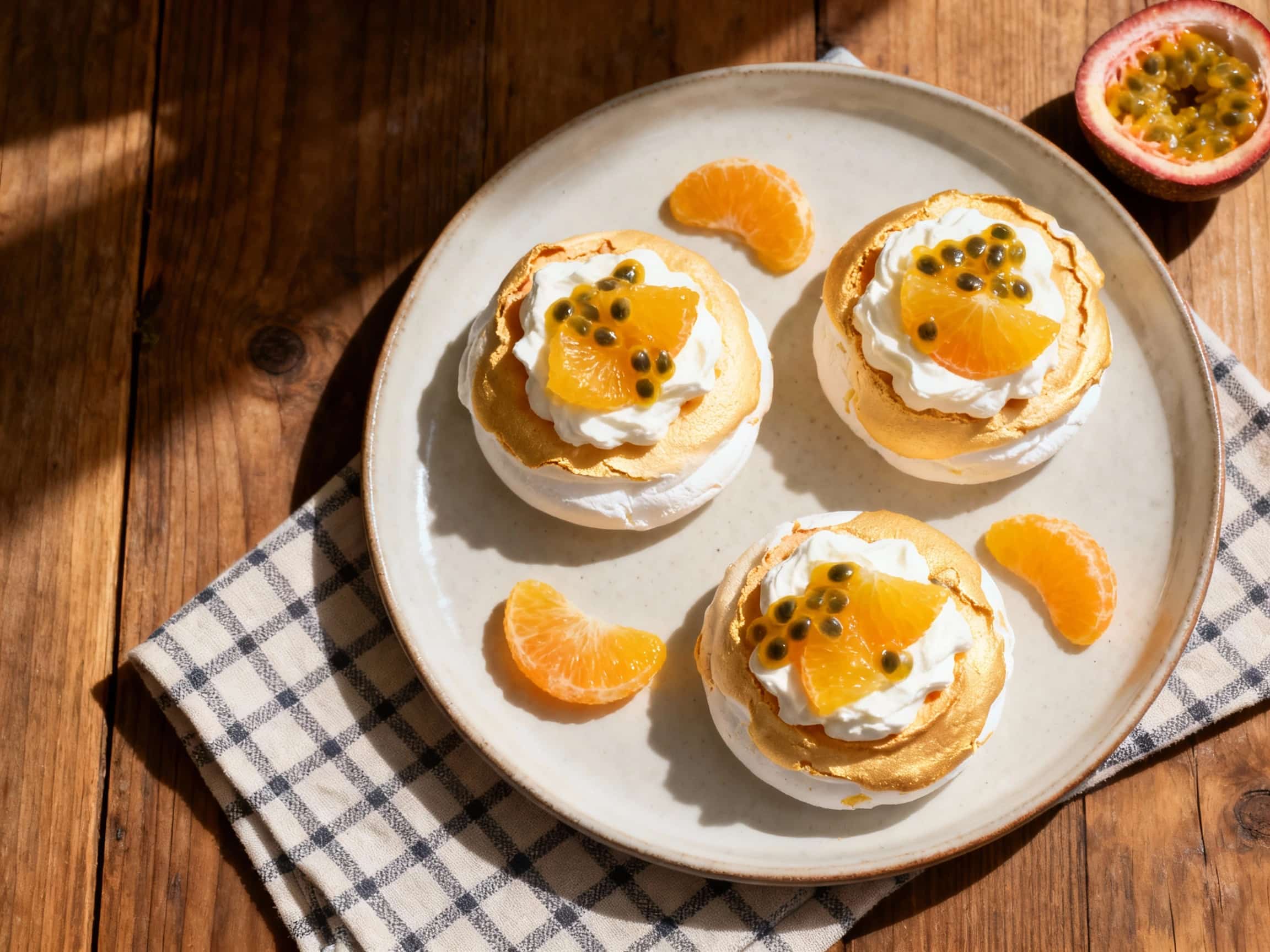
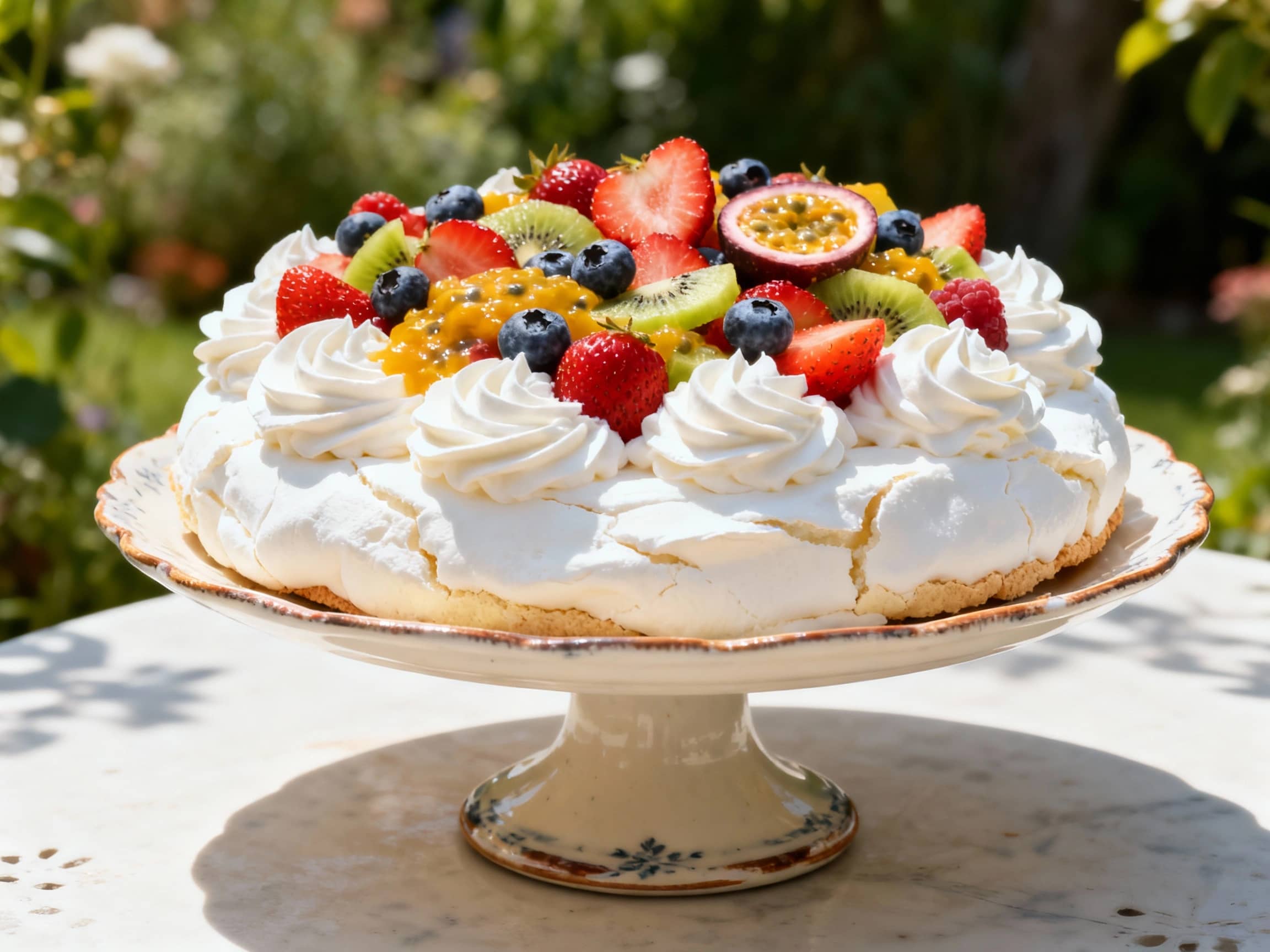
Pavlova is a globally celebrated meringue-based dessert, renowned for its distinctive crisp outer shell, soft, marshmallow-like interior, and generous topping of whipped cream and fresh fruit. The origin of Pavlova is a subject of friendly rivalry between Australia and New Zealand, with both nations claiming its creation in the early 20th century. It is widely believed to have been named after the famous Russian ballerina Anna Pavlova, who toured Australia and New Zealand in 1926. The dessert's airy lightness and delicate sweetness mirror the grace and beauty of the dancer. Recipes began appearing in magazines and cookbooks in the 1930s, quickly becoming a summer staple and a centerpiece for celebrations. The classic Pavlova typically features a meringue base in a circular or freeform shape, adorned with vibrant berries, passionfruit, kiwi fruit, or stone fruits, depending on the season. Its visual appeal, combined with its delightful texture and balanced sweetness, makes it a beloved dessert for holidays, birthdays, and everyday enjoyment. Celebrations like Christmas and New Year's in both Australia and New Zealand often feature Pavlova as a dessert highlight. Its enduring popularity testifies to its simple yet elegant design and its association with festive occasions and shared culinary joy.
History of Pavlova
Russian ballerina Anna Pavlova tours Australia and New Zealand, inspiring the dessert's name.
First known published recipe for Pavlova appears in 'Lot's Wife' student publication.
New Idea magazine publishes a popular Pavlova recipe, contributing to its widespread adoption.
Pavlova becomes a popular dessert for gatherings and celebrations in both Australia and New Zealand.
Modern variations and presentations of Pavlova gain popularity with advancements in home baking.
Pavlova recognized globally as a significant dessert with strong ties to Australasian culinary heritage.