Pavlova
Pavlova
- Country
- Australia
- Region
- Not specified
- Recipes
- 3 Recipes
Origins & Characteristics of Pavlova
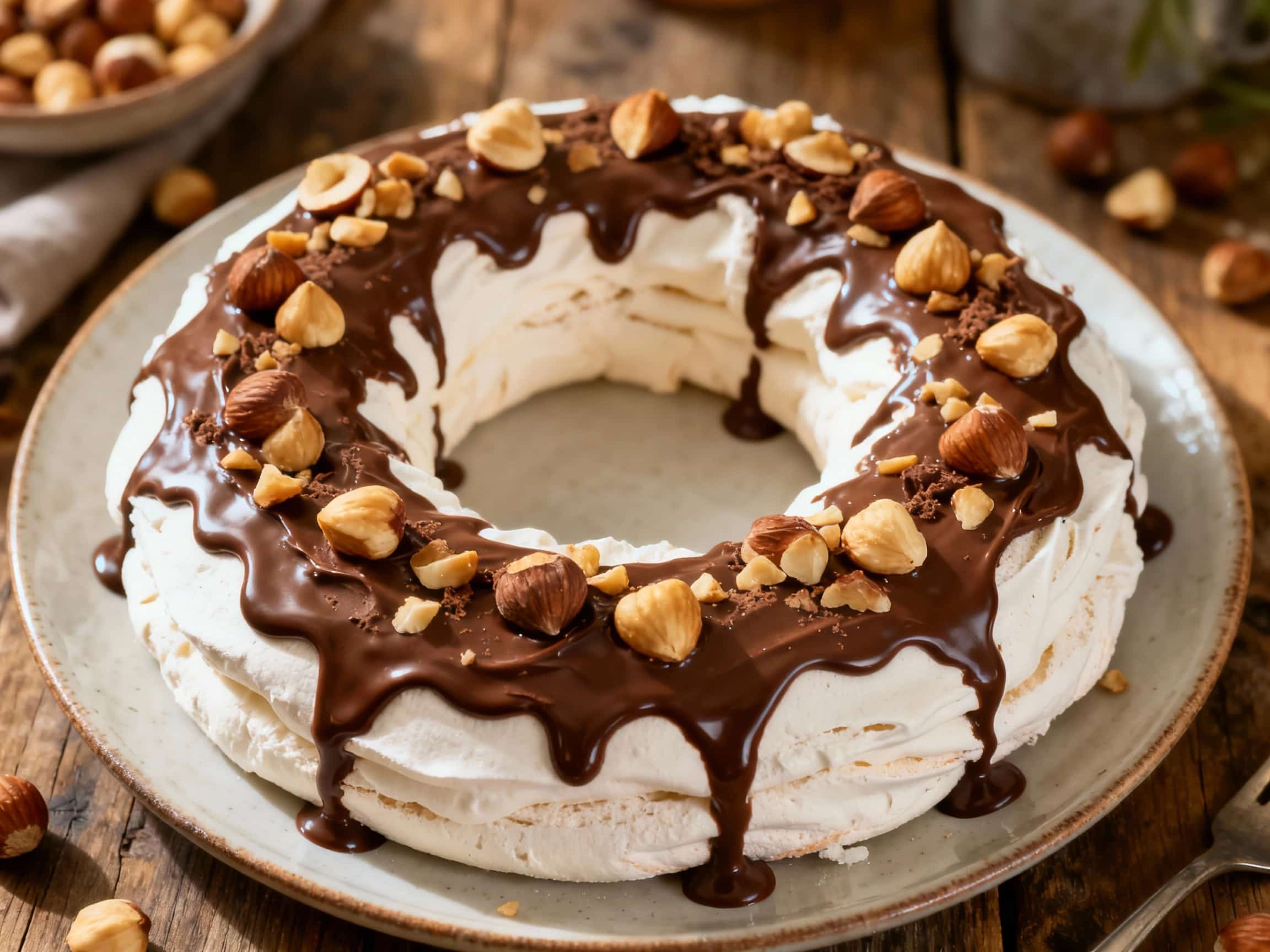
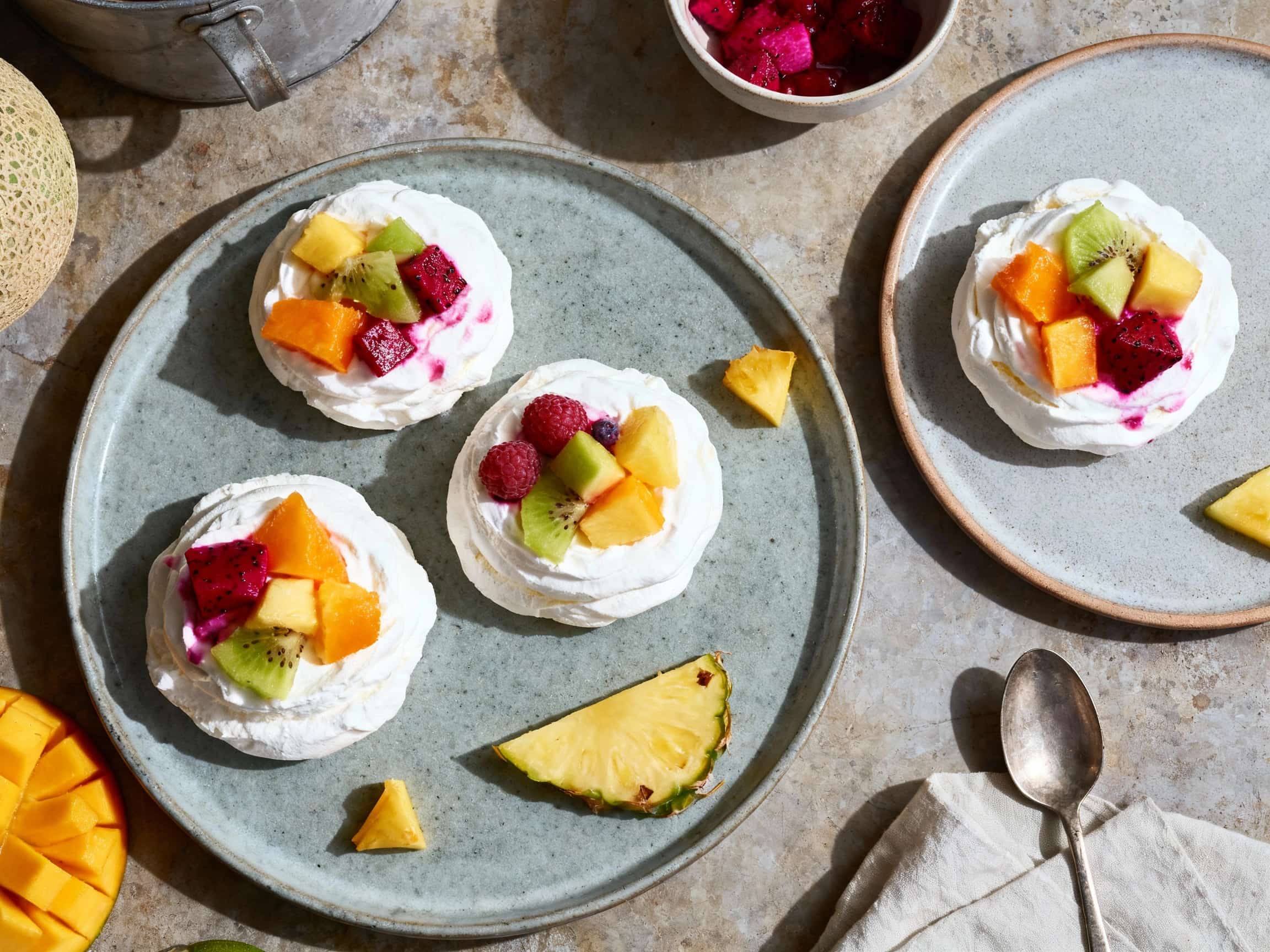
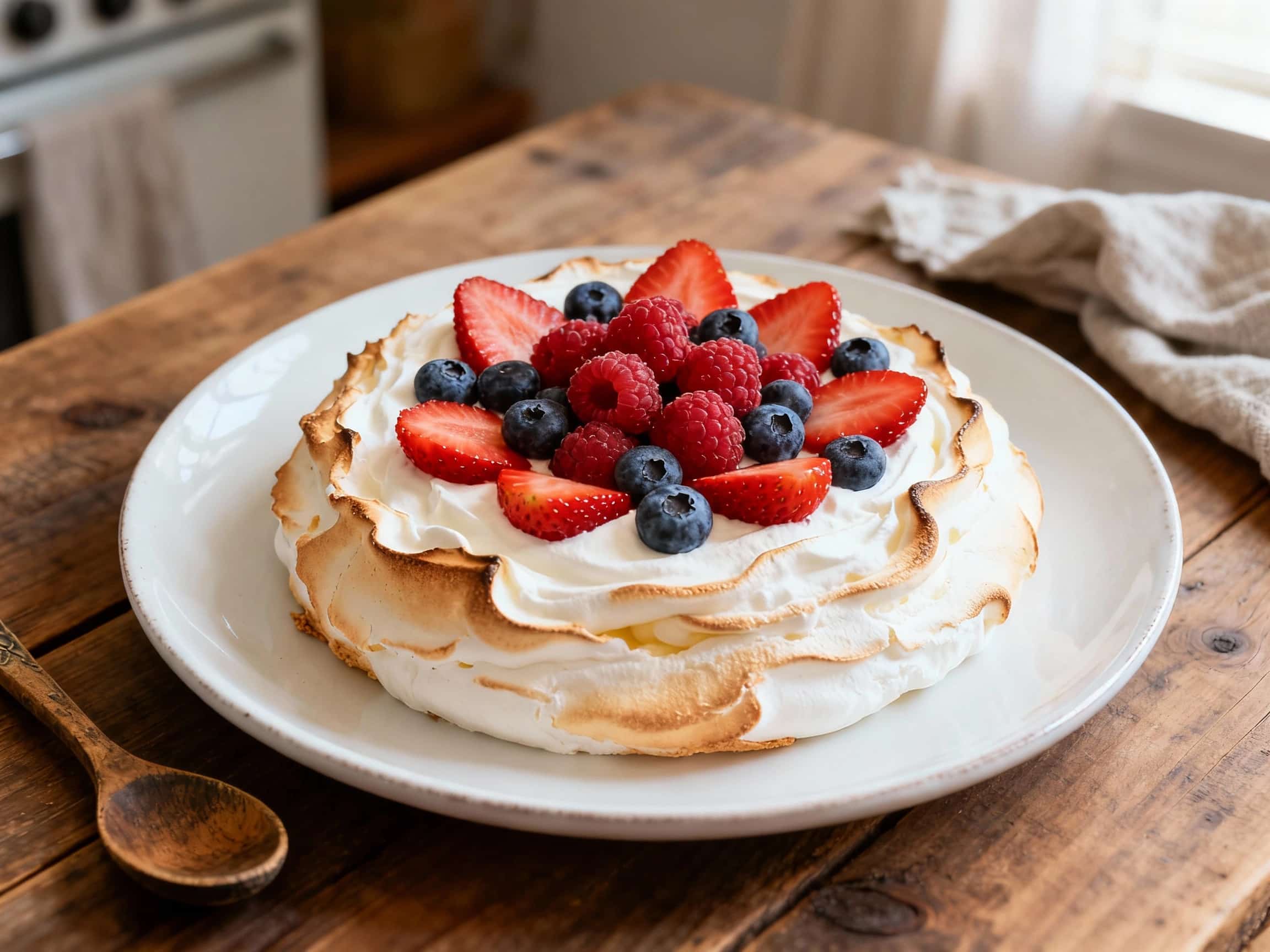
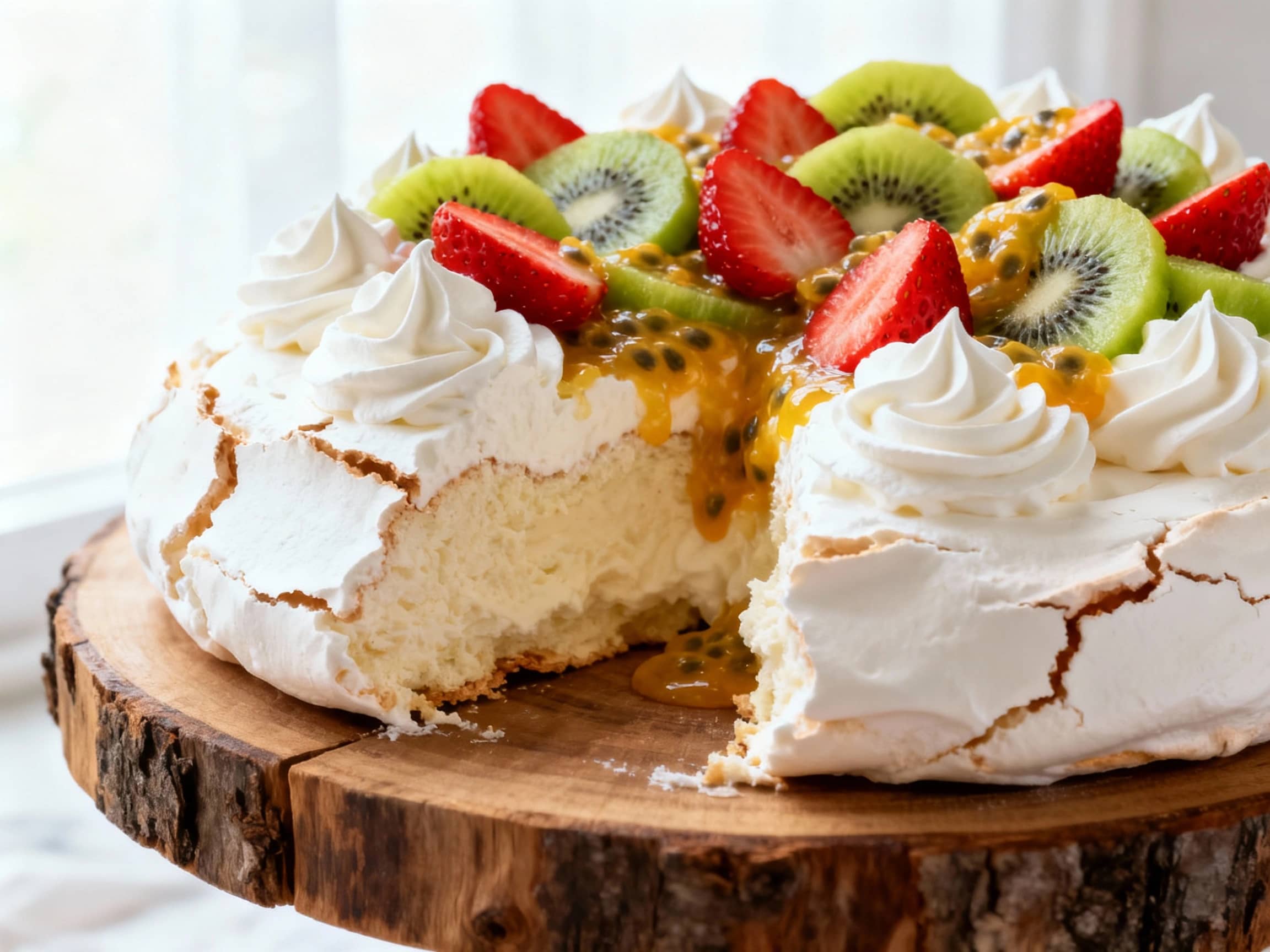
Pavlova is an iconic meringue-based dessert, celebrated for its delicate balance of crispy crust, soft marshmallow-like interior, and fresh fruit toppings. Its origins are a subject of friendly rivalry between Australia and New Zealand, both claiming its creation in honour of the Russian ballerina Anna Pavlova during her tours of the region in the 1920s. The debate often centers on which country first published a recipe explicitly named 'Pavlova.' Regardless of its precise birthplace, the dessert quickly became a staple in both nations, particularly during festive occasions like Christmas and summer gatherings. The basic recipe involves egg whites, sugar, vinegar (or cream of tartar), and cornflour, whisked to form a stable meringue that is baked until firm but still soft inside. It is typically adorned with generous dollops of whipped cream and an assortment of fresh fruits, such as kiwifruit, strawberries, passionfruit, and berries, which provide a vibrant contrast in color and flavor. Pavlova represents a light, elegant, and refreshing dessert, deeply embedded in the culinary traditions of Australia and New Zealand, symbolizing celebration and summer indulgence.
History of Pavlova
Anna Pavlova tours Australia and New Zealand, inspiring the creation of the dessert.
Chef Bert Sachse of Perth, Australia, is often credited with creating the specific Pavlova recipe, though disputed.
The earliest known recipe explicitly named 'Pavlova' is published in the New Zealand 'Dominion' newspaper.
Helen Leach's research indicates an earlier New Zealand recipe predating the Australian claims.
The influential 'Australian Women's Weekly Cookbook' features a Pavlova recipe, solidifying its national status.