Nasi Campur
Nasi Campur
- Country
- Indonesia
- Region
- Bali
- Recipes
- 3 Recipes
Origins & Characteristics of Nasi Campur
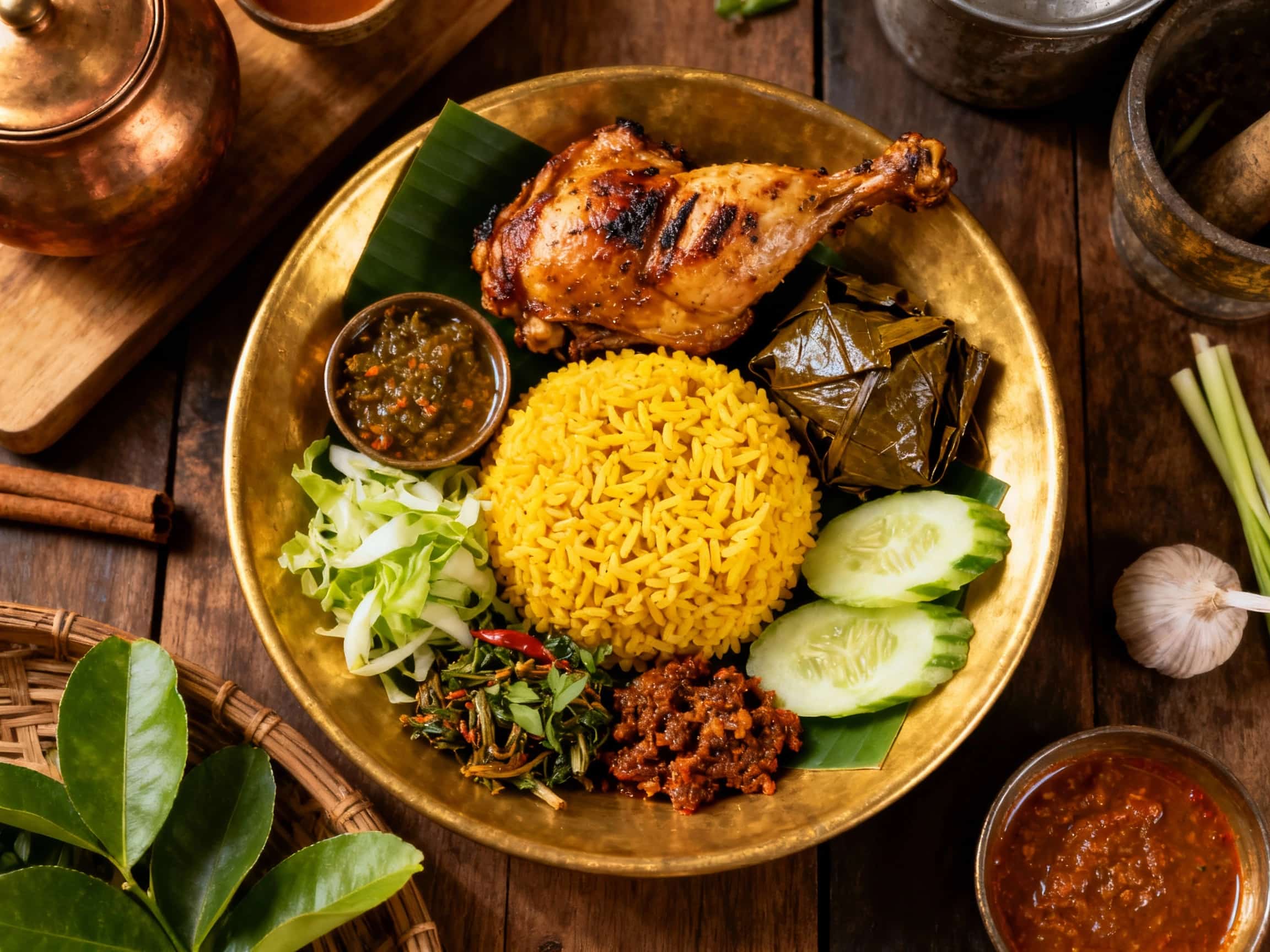
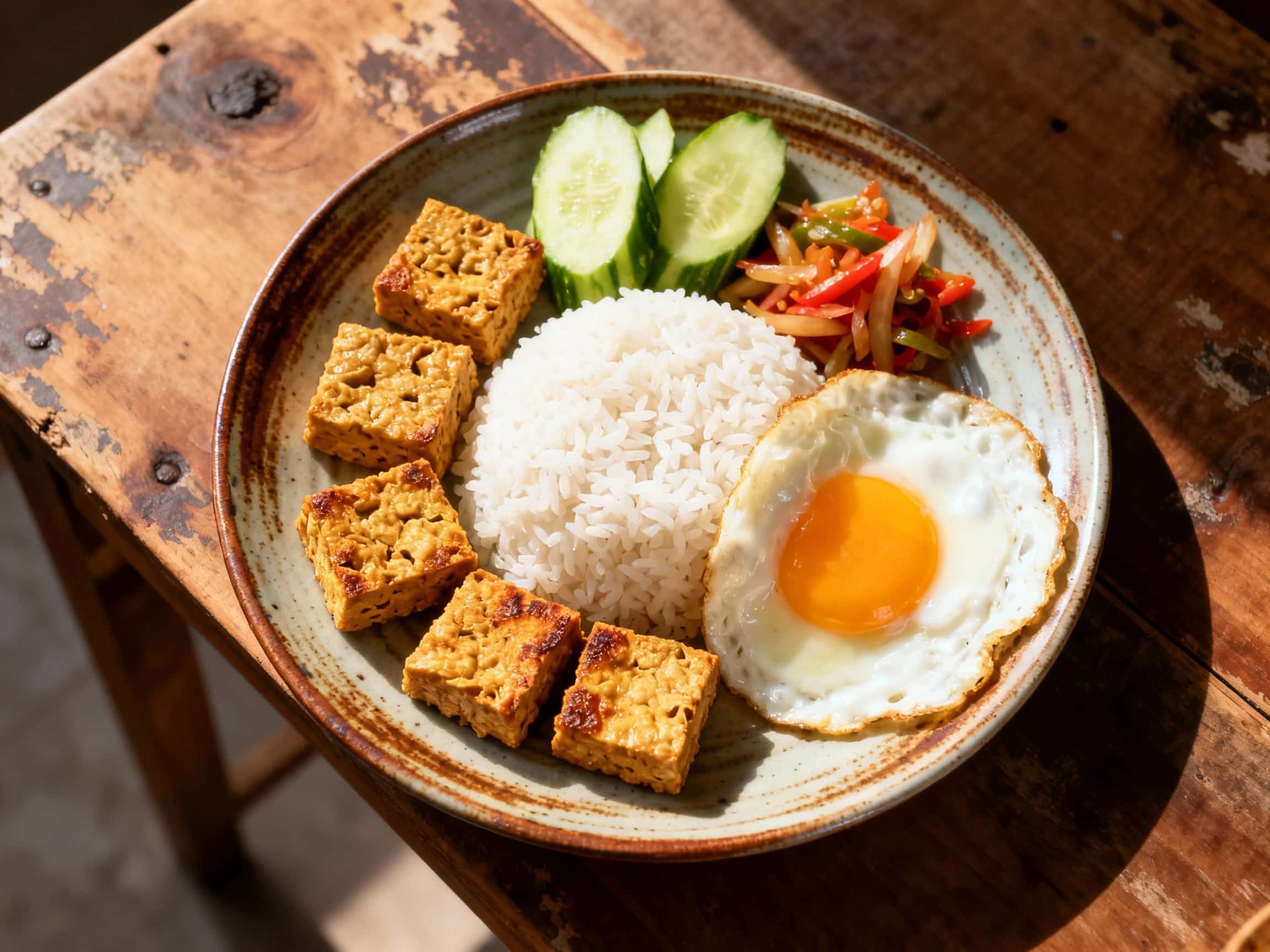
Nasi Campur, a beloved Indonesian staple, translates to 'mixed rice' and embodies the spirit of culinary diversity. Its origins are deeply rooted in the archipelago, with variations found across different regions and islands. While specific historical documentation of its first creation is scarce due to its nature as a humble, everyday meal, Nasi Campur's evolution is tied to the fusion of various culinary traditions that have influenced Indonesia over centuries. It often reflects the local ingredients and spices available, making each regional iteration unique. In Bali, for instance, Nasi Campur typically features a vibrant array of dishes including lawar (minced vegetables, coconut, and spices), sate lilit (minced meat satay), ayam betutu (slow-cooked duck or chicken), and various sambals for a spicy kick. The dish is more than just a meal; it's a cultural expression, often served during informal gatherings, family meals, and even as a quick lunch for workers. Its popularity extends beyond Indonesia, with Indonesian communities worldwide sharing this comforting and adaptable dish. Iconic figures like Indonesian chefs who champion traditional cuisine often feature Nasi Campur, showcasing its versatility and enduring appeal. While not tied to a single famous restaurant, popular warungs (small eateries) and even high-end Indonesian restaurants worldwide offer their versions, attesting to its widespread acceptance and adaptation. The communal aspect of sharing small dishes alongside rice makes Nasi Campur a symbol of Indonesian hospitality and shared dining experiences.
History of Nasi Campur
Development of diverse spice trade routes, influencing local ingredient availability.
Increased popularity of mixed rice dishes as accessible meals for diverse populations.
Nasi Campur becomes a common sight in street food stalls and local eateries across Indonesian islands.
Indonesian cuisine gains international recognition, with Nasi Campur as a representative dish.
Global rise of Indonesian food blogs and social media, further popularizing Nasi Campur recipes and variations.