Mizeria
Mizeria
- Country
- Poland
- Region
- Not specified
- Recipes
- 3 Recipes
Origins & Characteristics of Mizeria
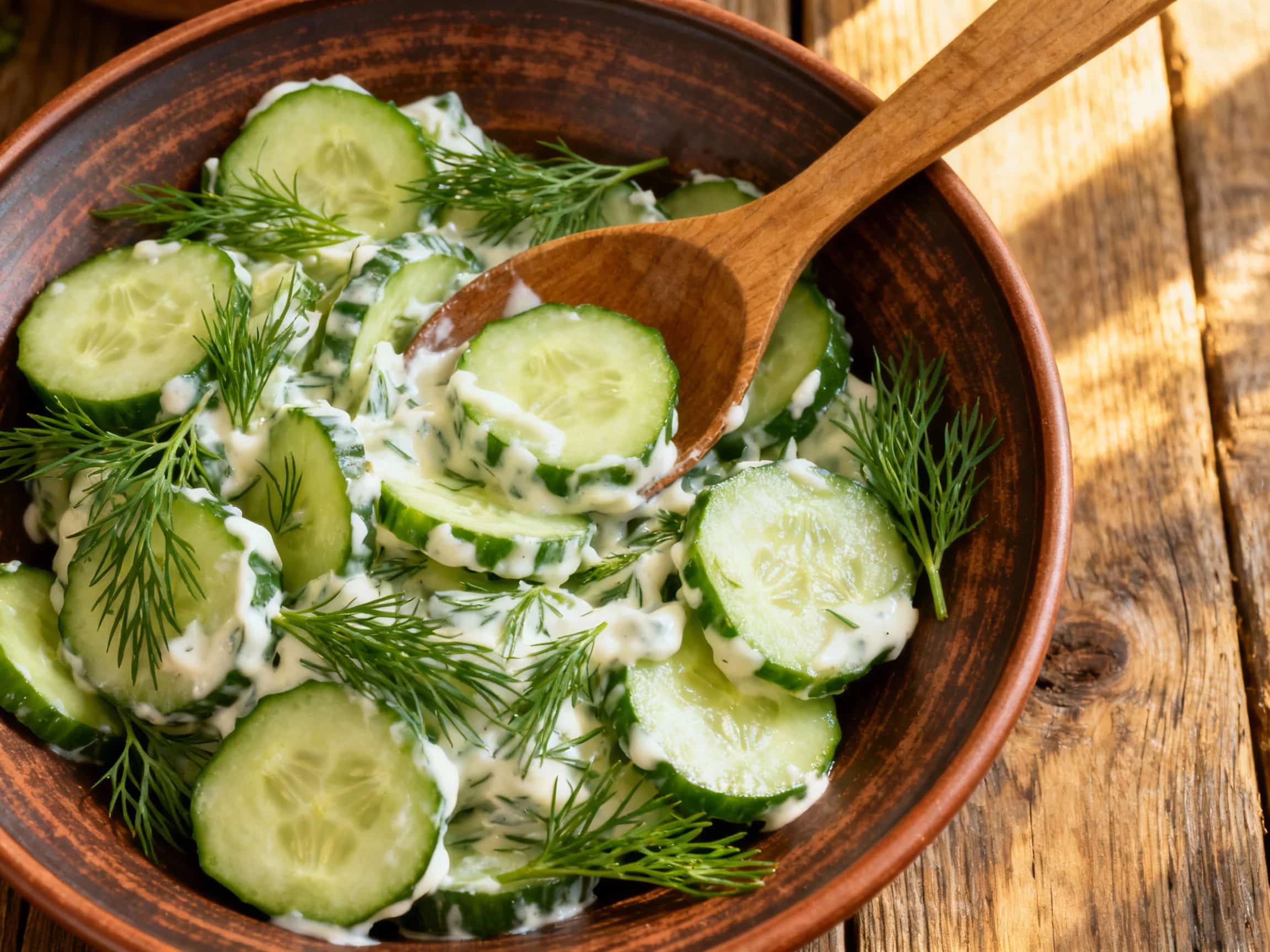
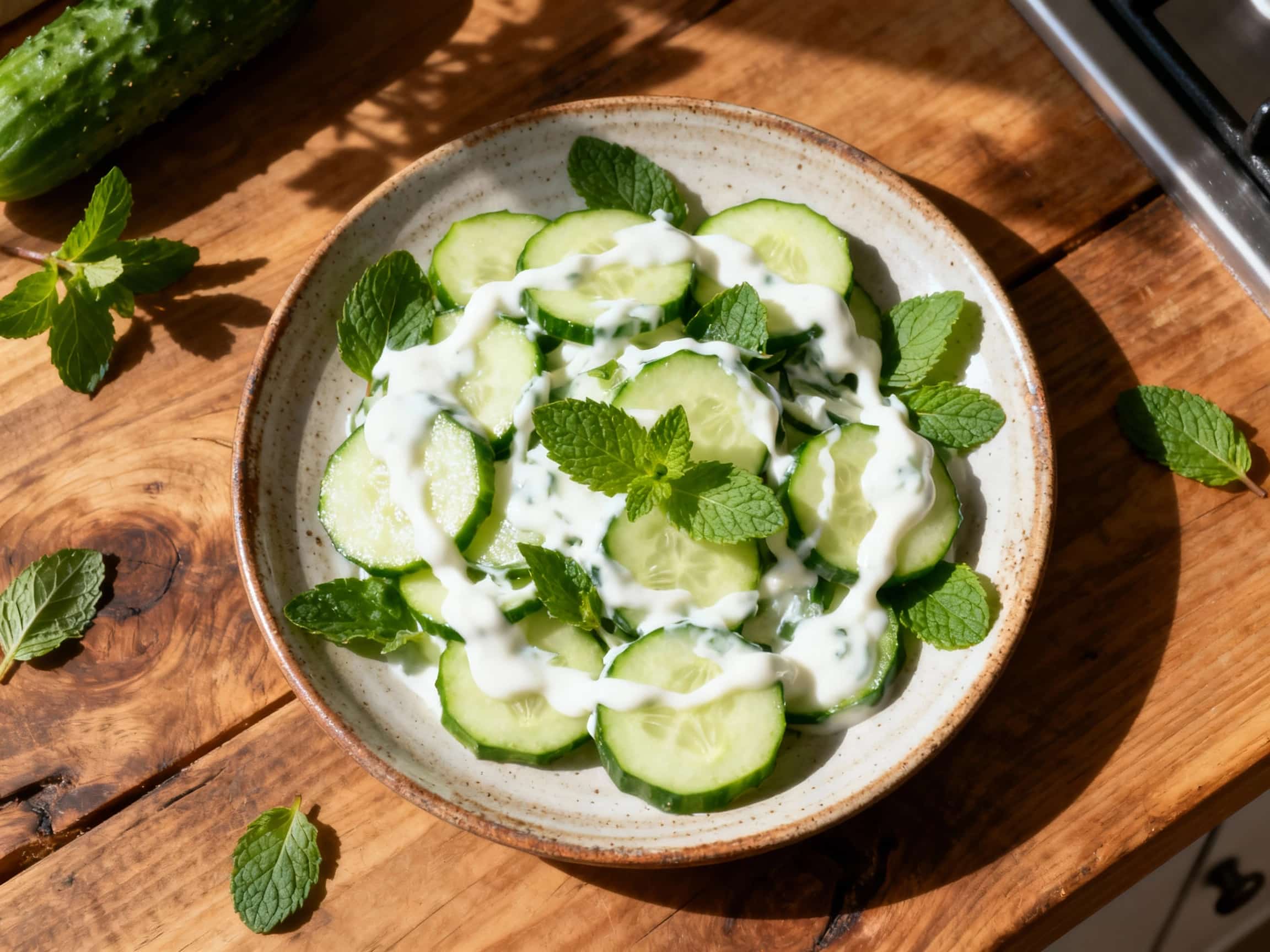
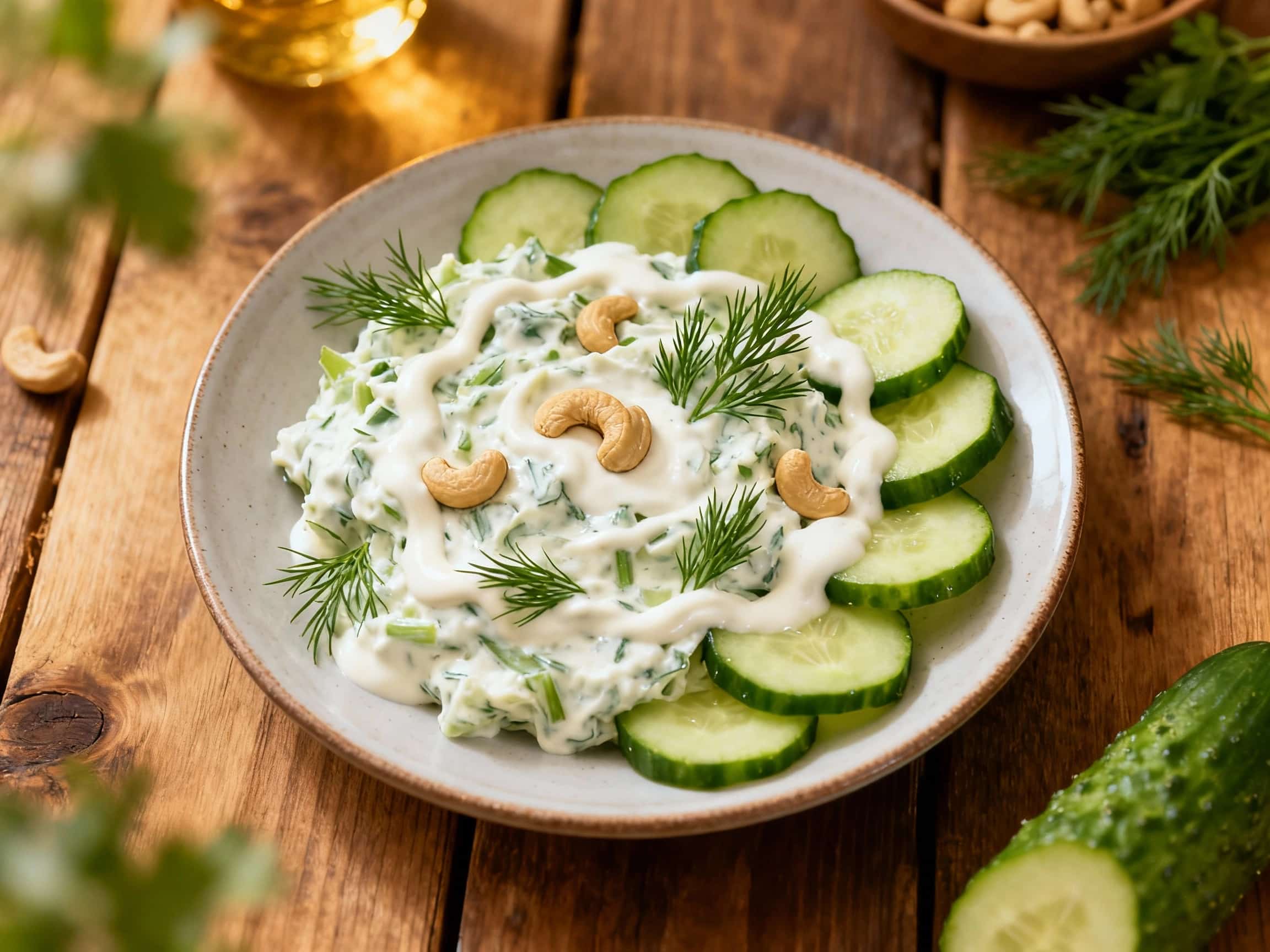
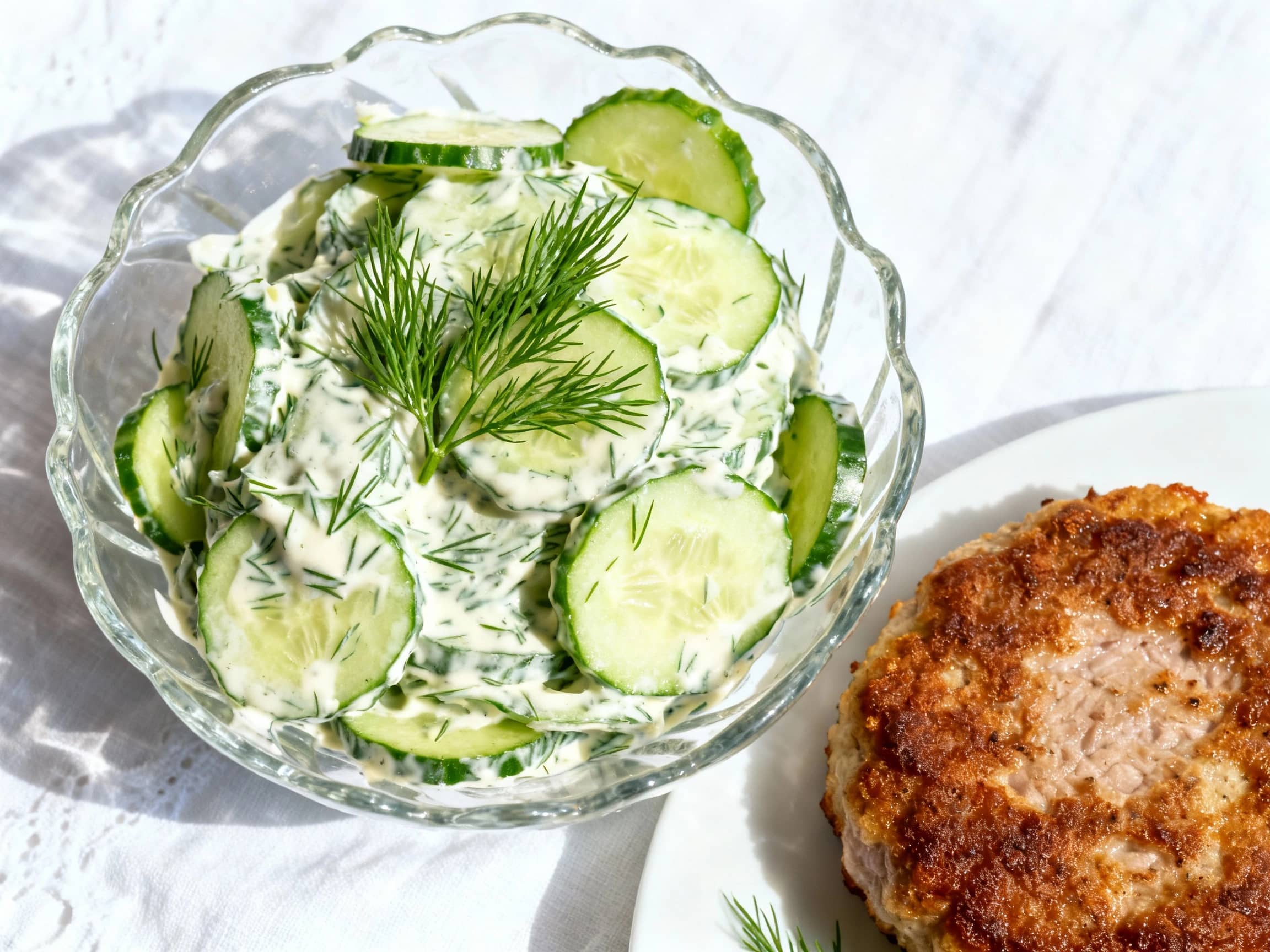
Mizeria is a deceptively simple yet iconic Polish cold salad, celebrated for its refreshing simplicity and creamy tang. Its name, which translates to 'misery' or 'wretchedness', is often humorously attributed to the idea that preparing such a delicate salad might be considered a 'miserable' task by some, or perhaps a contrast to the hearty main courses it accompanies. The dish's exact origins are somewhat obscure, but it likely emerged in the latter half of the 19th century or early 20th century as Polish cuisine began to incorporate lighter, cream-based salads. The core ingredients are thinly sliced cucumbers, typically Persian or English varieties, dressed in a blend of sour cream or yogurt, fresh dill, a touch of vinegar or lemon juice, and seasoned with salt and pepper. This combination creates a unique interplay of cool, crisp cucumber with a zesty, herbaceous creaminess. Mizeria is a ubiquitous presence on Polish tables, especially during the warmer months and alongside heavier dishes like fried meats (kotlet schabowy) or potatoes, providing a welcome palate cleanser. While no specific historical figure is credited with its invention, its widespread adoption and consistent presence in Polish cookbooks and family recipes underscore its cultural importance. It represents the Polish love for fresh, flavorful, and uncomplicated accompaniments that balance richer flavors.
History of Mizeria
Cucumbers become more commonly used in Polish salads, often with dairy dressings.
The dish starts appearing in Polish home economics literature under various names.
The name 'Mizeria' becomes increasingly associated with this specific cucumber salad.
Becomes a standard side dish in Polish culinary traditions.
Detailed recipes appear in widely circulated Polish cookbooks.
Variations using yogurt or different herbs gain popularity.