Mie Goreng
Mie Goreng
- Country
- Indonesia
- Region
- Java
- Recipes
- 3 Recipes
Origins & Characteristics of Mie Goreng
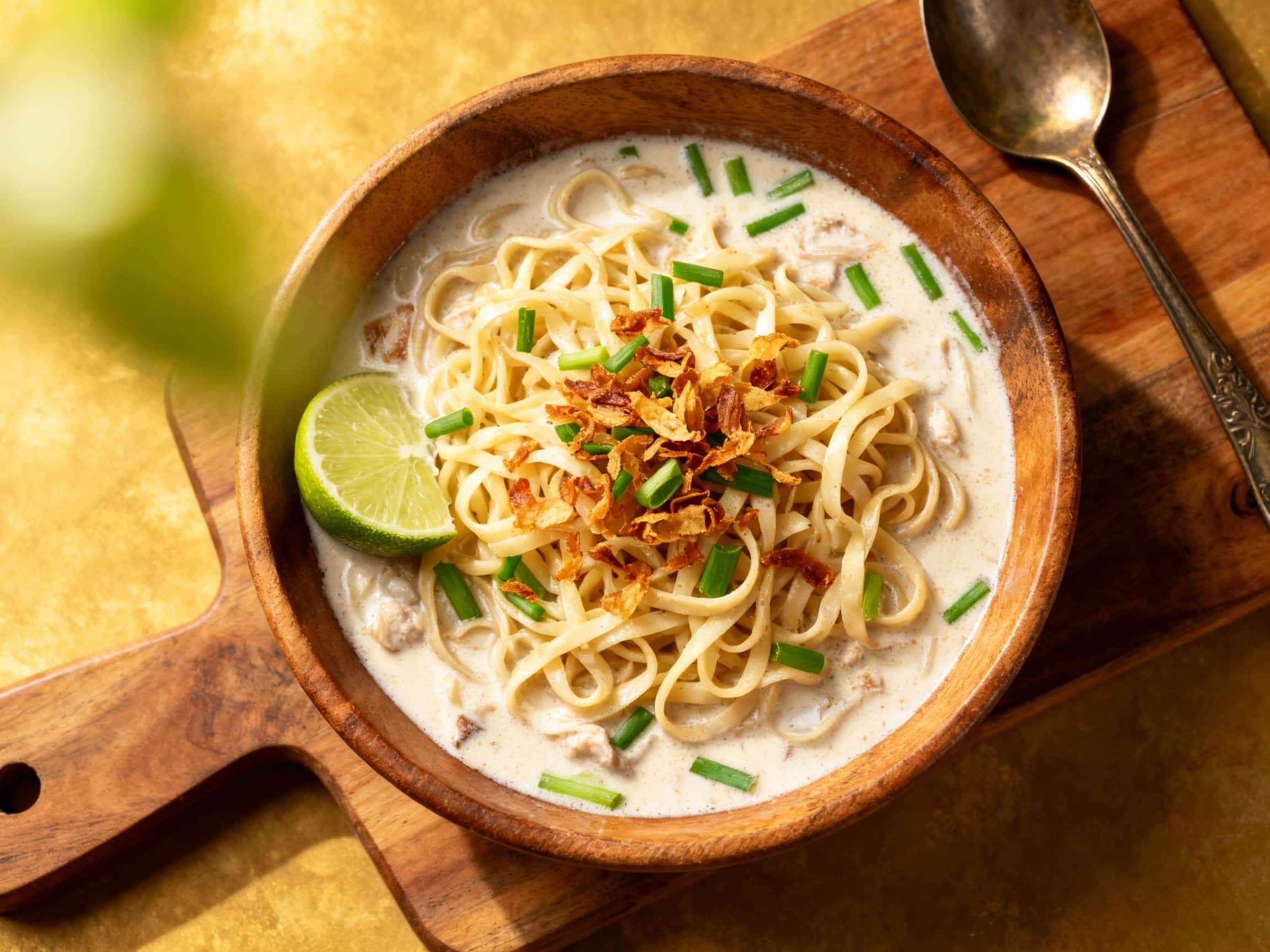
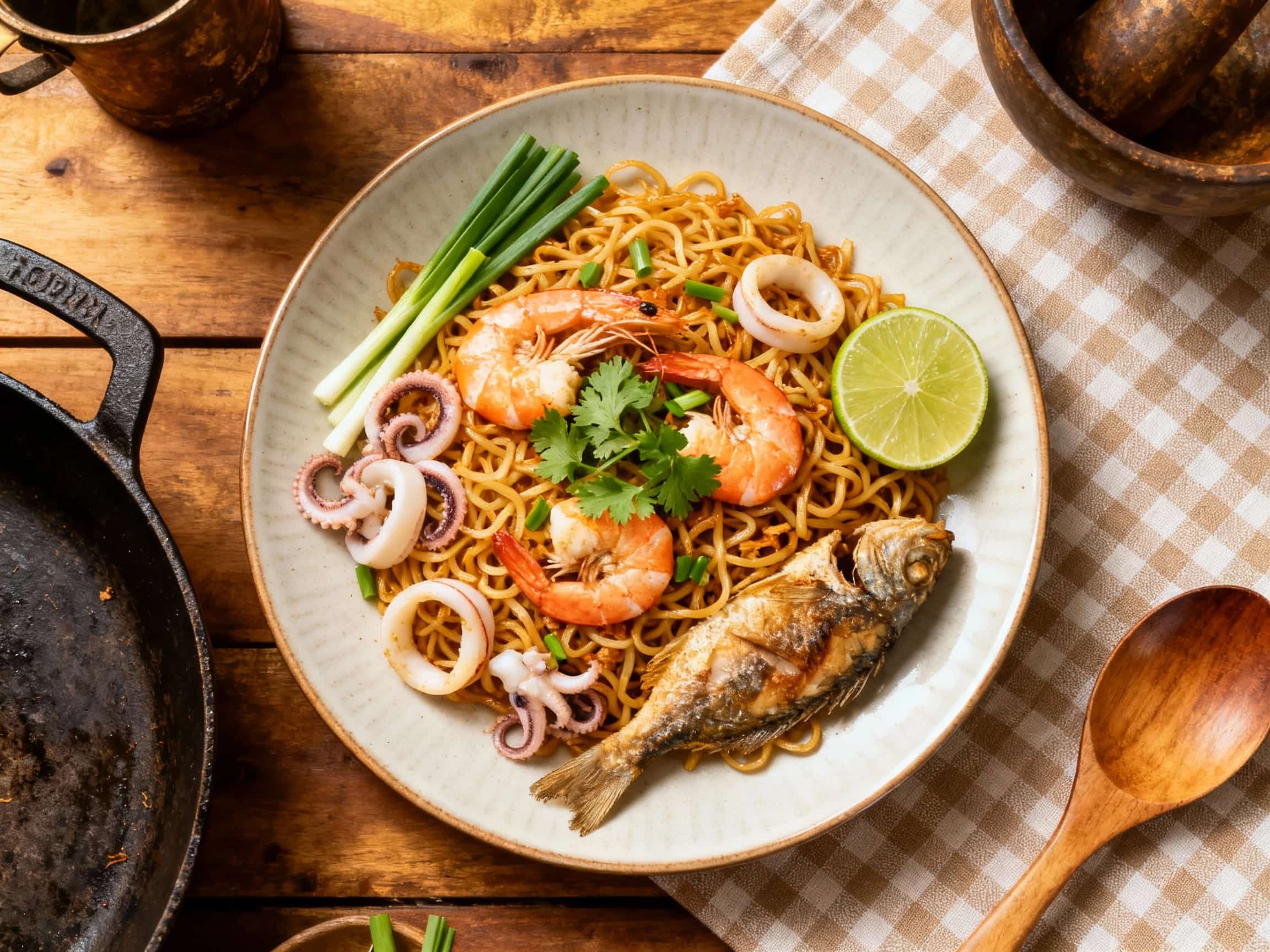
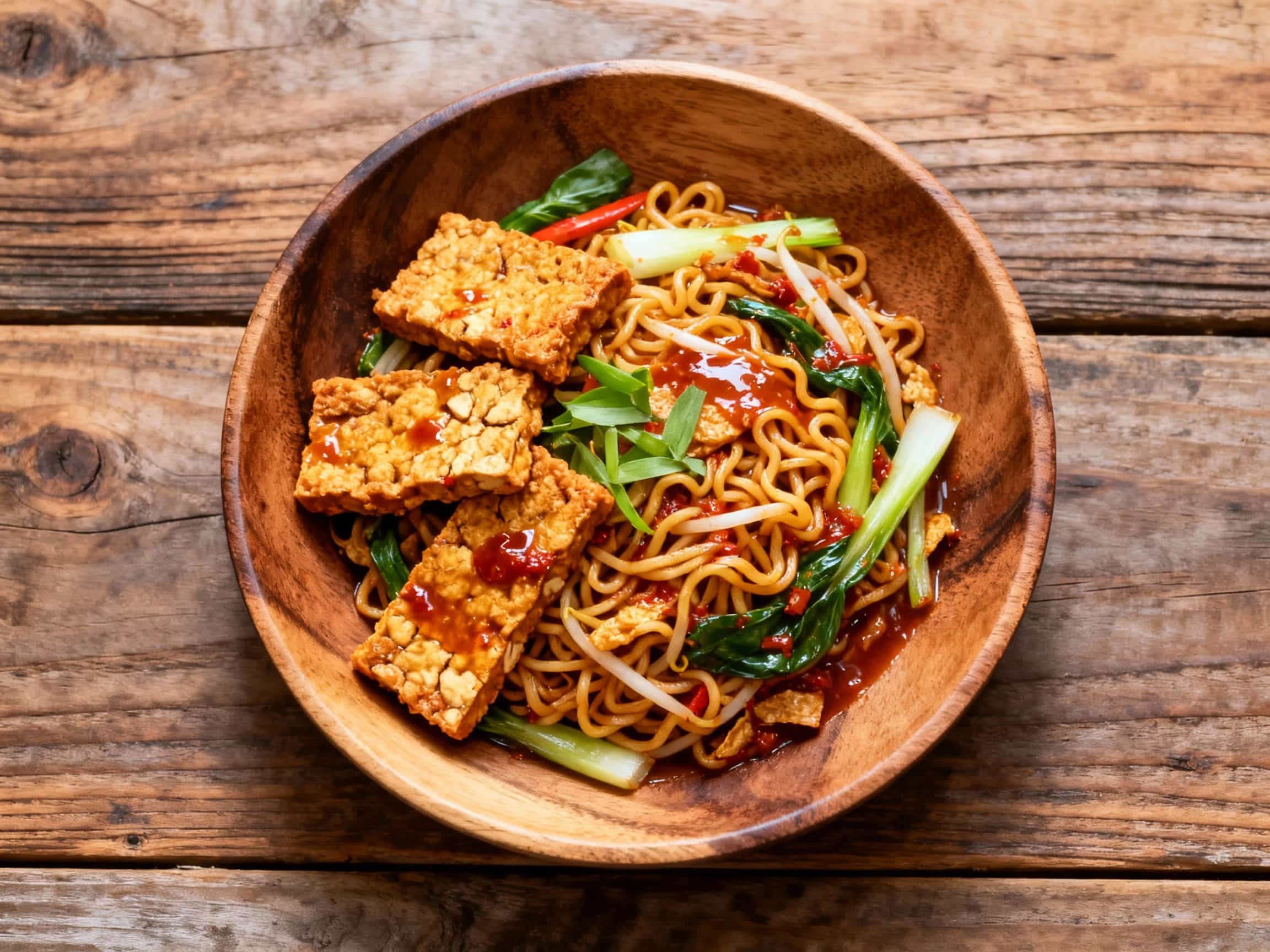
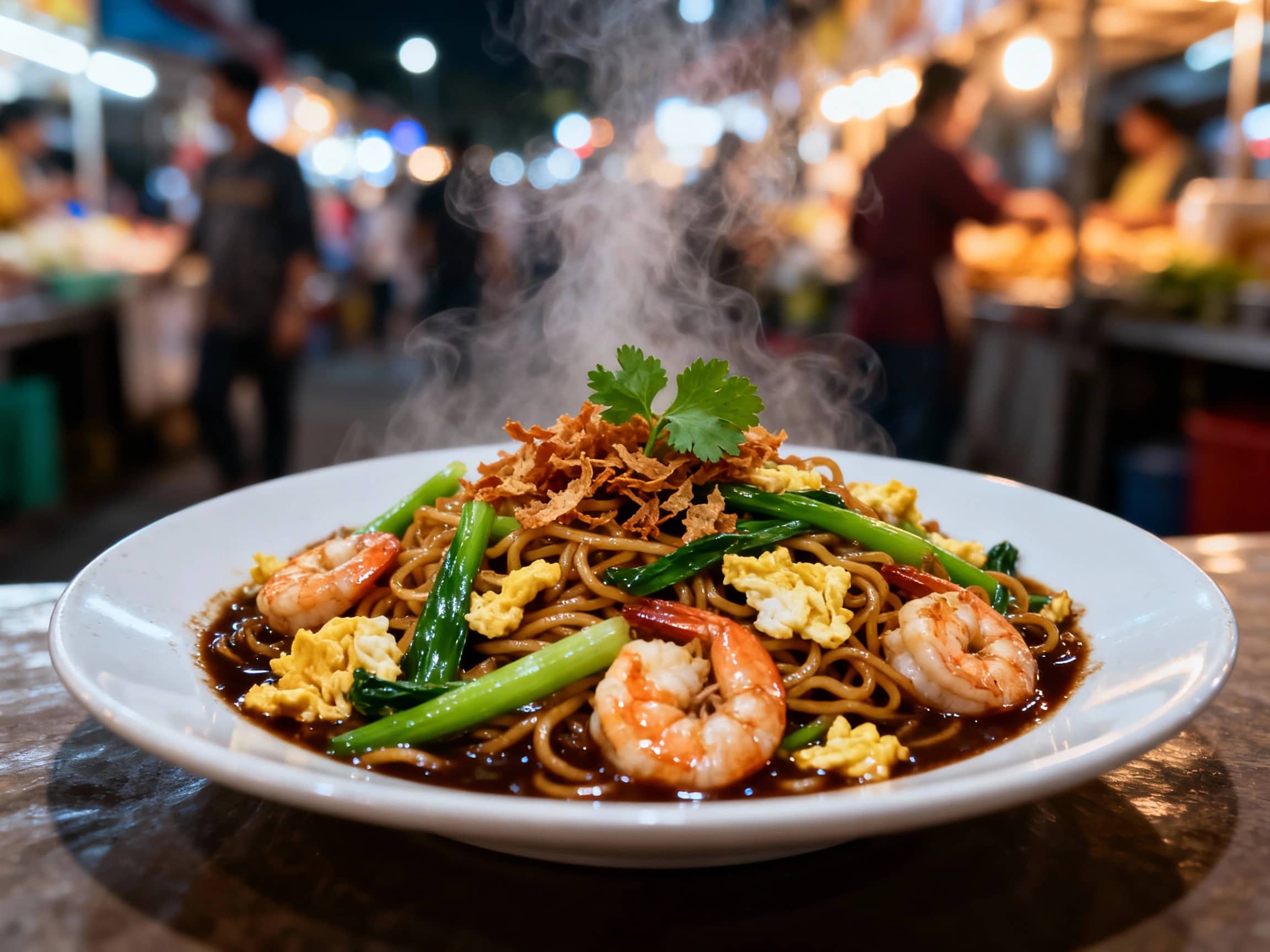
Mie Goreng, translating literally to 'fried noodles', is arguably one of Indonesia's most beloved and ubiquitous dishes. Its origins are deeply intertwined with the culinary influences that have shaped Indonesian cuisine over centuries, particularly Chinese migration. Chinese traders and settlers brought their noodle-making techniques and stir-frying methods to the archipelago, which were then adapted and localized using indigenous ingredients and flavor profiles. The dish likely evolved from early forms of Chinese fried noodles, integrating local spices, kecap manis (sweet soy sauce), and often a variety of proteins and vegetables available in Indonesia. Mie Goreng is more than just a meal; it's a cultural staple often found at street food stalls, family gatherings, and even served in restaurants worldwide. Its adaptability allows for regional variations, with different areas in Indonesia adding their unique touch. On the island of Java, where it's particularly popular, Mie Goreng might feature a sweeter profile due to the generous use of palm sugar and sweet soy sauce. It’s a comforting, hearty dish that embodies the spirit of Indonesian home cooking and street food culture. Its widespread appeal is a testament to its delicious balance of savory, sweet, and sometimes spicy flavors, making it a constant presence in the Indonesian culinary landscape. The dish's popularity has also led to its international recognition, often appearing on menus of Southeast Asian restaurants globally, further solidifying its status as an Indonesian icon.
History of Mie Goreng
Chinese noodle-making techniques and stir-frying methods begin influencing Indonesian cuisine
Development of Kecap Manis (sweet soy sauce) becomes a key ingredient in Indonesian cooking
Mie Goreng gains widespread popularity across Java and other Indonesian islands
Mie Goreng becomes a staple street food dish throughout Indonesia