Makowiec
Makowiec
- Country
- Poland
- Region
- Not specified
- Recipes
- 3 Recipes
Origins & Characteristics of Makowiec
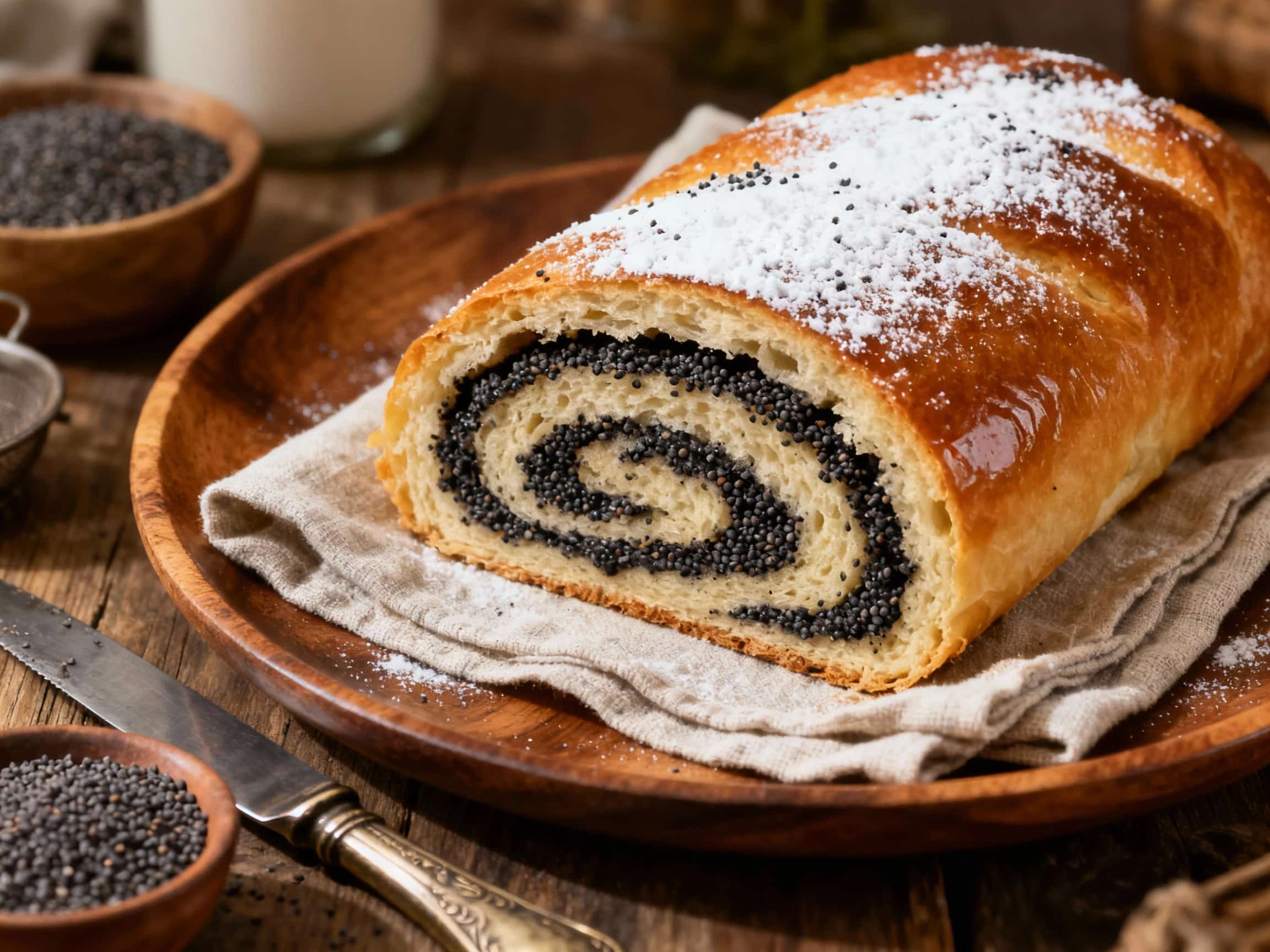
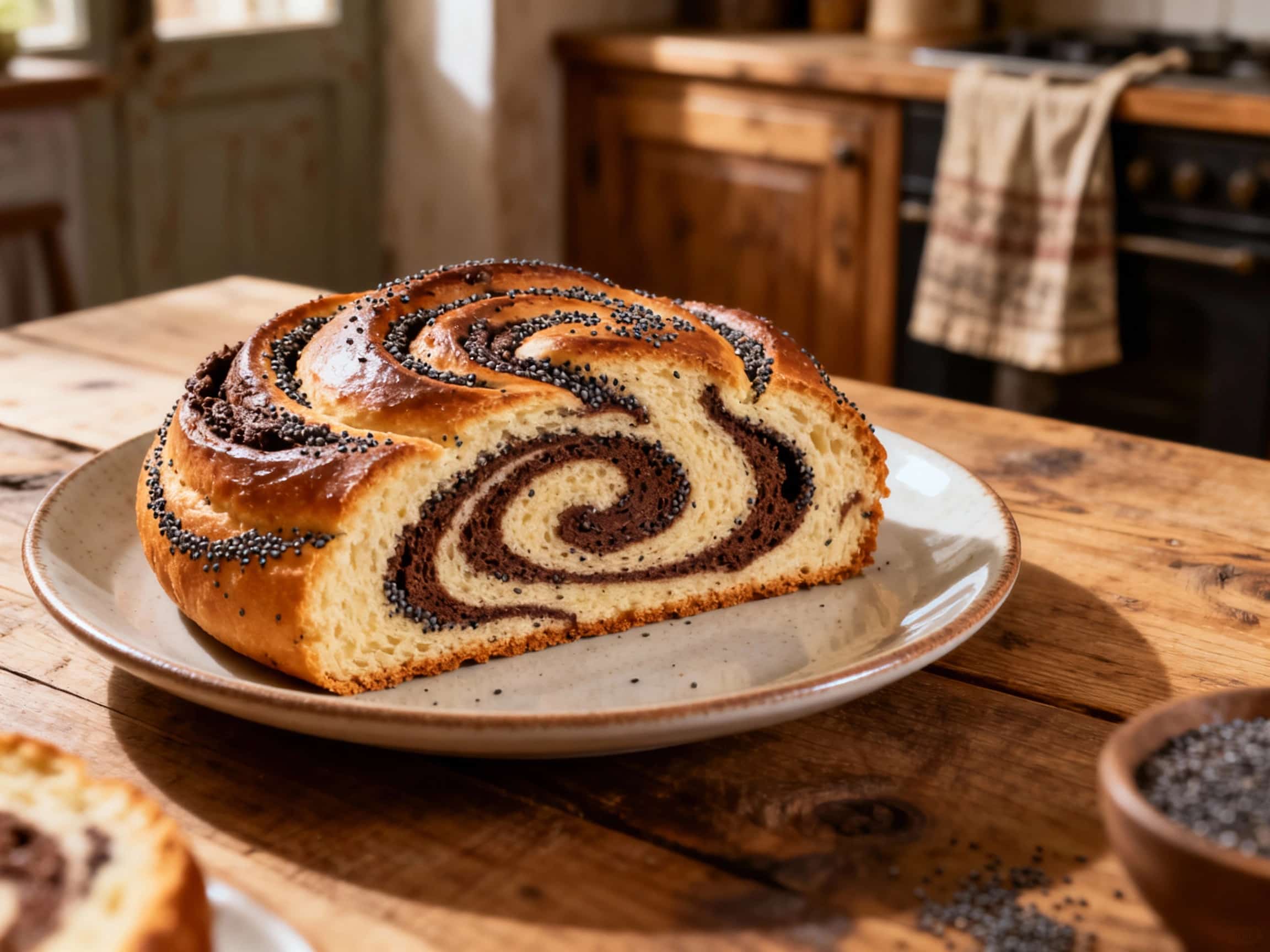
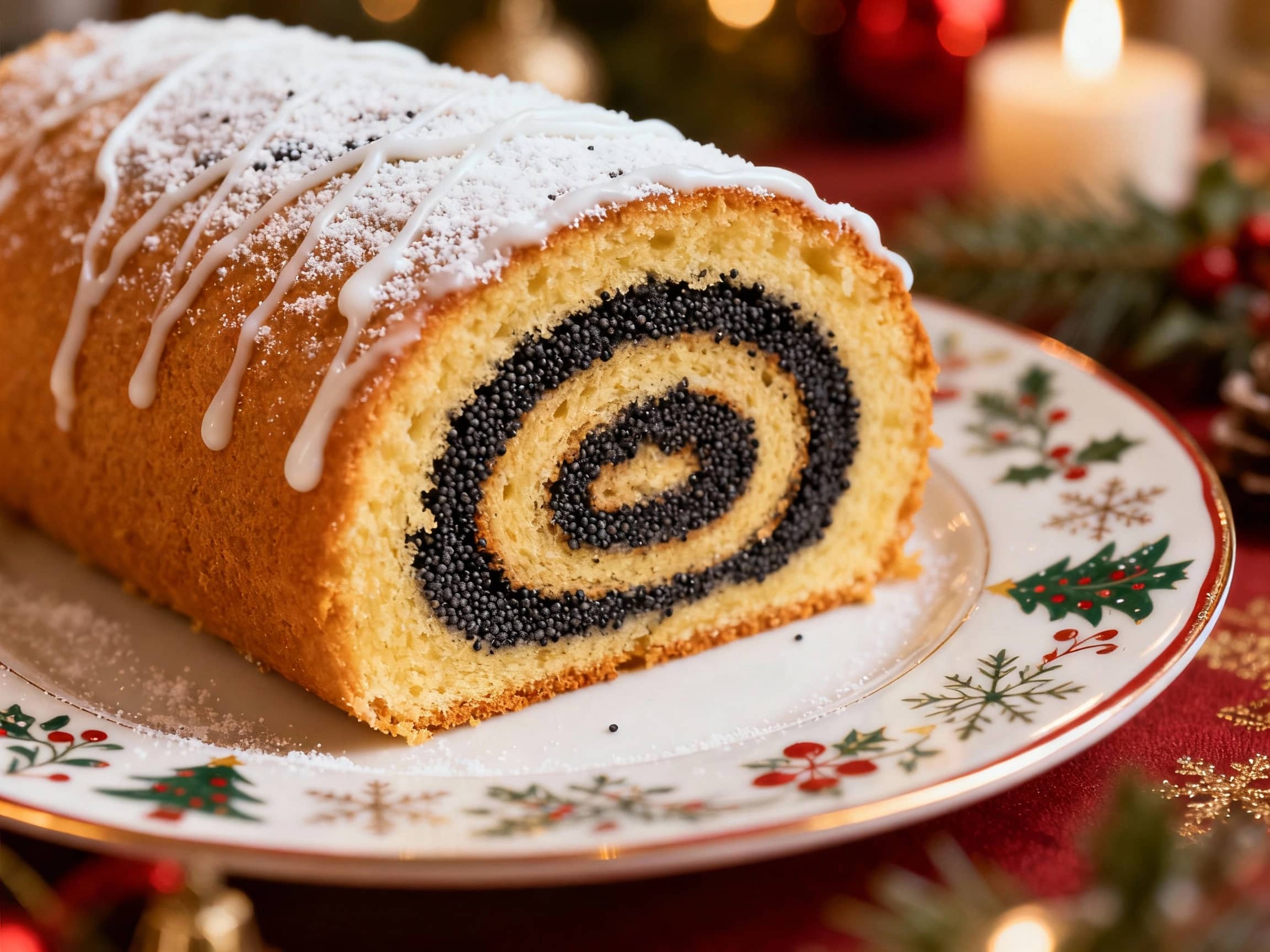
Makowiec, a rich and visually striking poppy seed roll, is a quintessential Polish festive dessert, most beloved during Christmas (Boże Narodzenie) and Easter (Wielkanoc). Its name directly translates to 'poppy seed cake,' and it is a testament to the deep culinary tradition of utilizing poppy seeds in Polish baking. The origins of Makowiec are intertwined with the historical cultivation of poppy seeds in Central and Eastern Europe, with recipes likely evolving over centuries. While precise records of its initial creation are scarce, variations of poppy seed filled pastries have been documented in Polish cookbooks dating back to the 18th and 19th centuries. The classic Makowiec features a soft yeast dough generously spread with a sweet, dense filling made from ground poppy seeds, honey or sugar, often enriched with nuts like almonds or walnuts, and sometimes candied fruits or raisins. Once rolled and baked, it forms a beautiful spiral pattern, showcasing the dark, luscious poppy seed filling against the golden-brown cake. It’s often glazed with a simple sugar icing or chocolate. Makowiec is more than just a dessert; it's a symbol of abundance, good fortune, and celebration, deeply ingrained in Polish holiday rituals. Its presence signifies a joyous occasion and is often prepared in large quantities to share with family and friends, embodying the spirit of Polish hospitality.
History of Makowiec
Poppy seed cakes and pastries start appearing in Polish regional recipes.
The modern yeast-dough roulade form of Makowiec gains popularity.
Makowiec becomes a staple dessert for Christmas celebrations.
Incorporation of nuts and dried fruits becomes more common in the filling.
Standardized recipes are published widely across Poland.
Considered a classic symbol of Polish holiday baking.
Variations like marble or gluten-free versions emerge.