Lamington
Lamington
- Country
- Australia
- Region
- Not specified
- Recipes
- 3 Recipes
Origins & Characteristics of Lamington
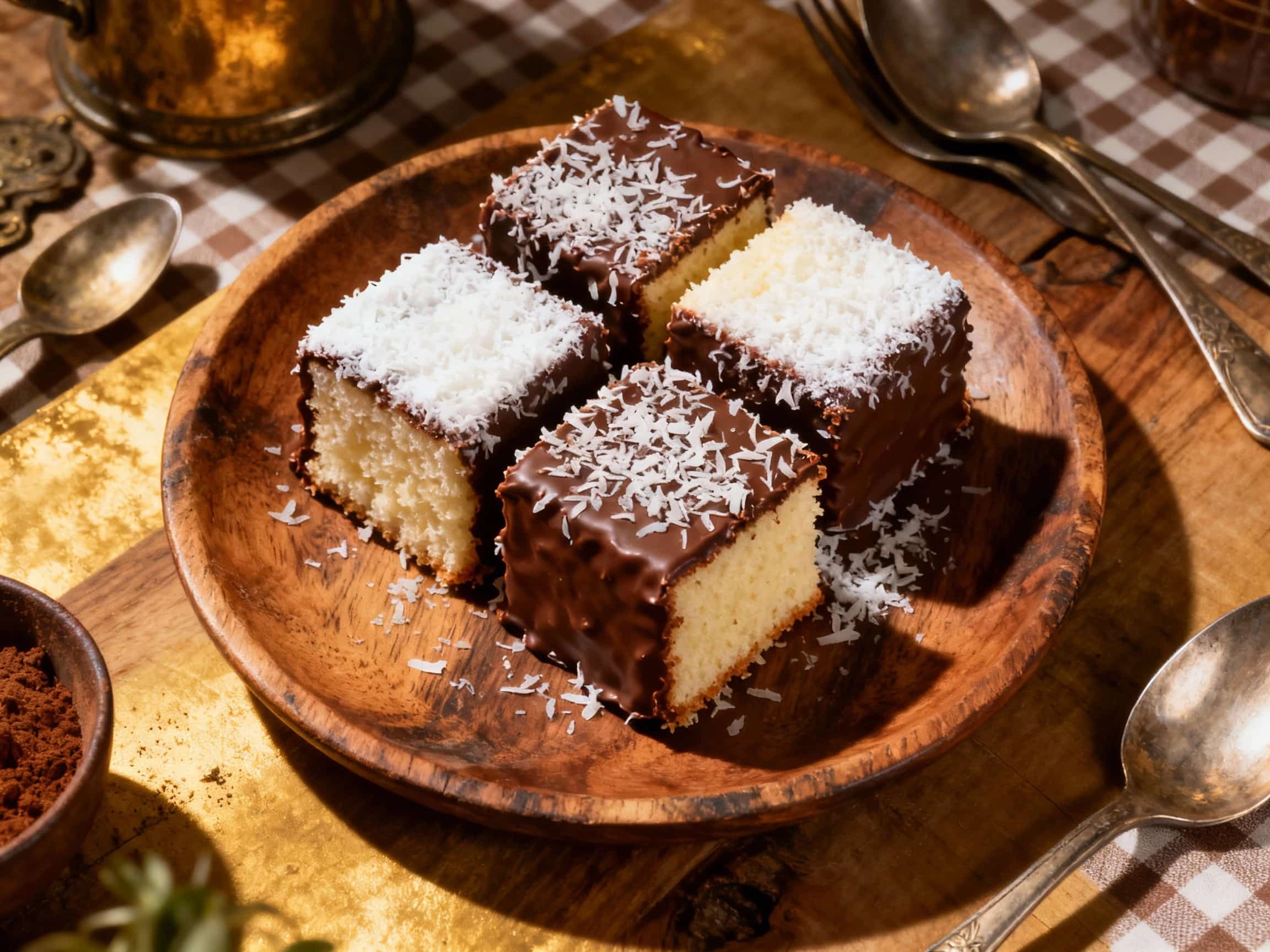
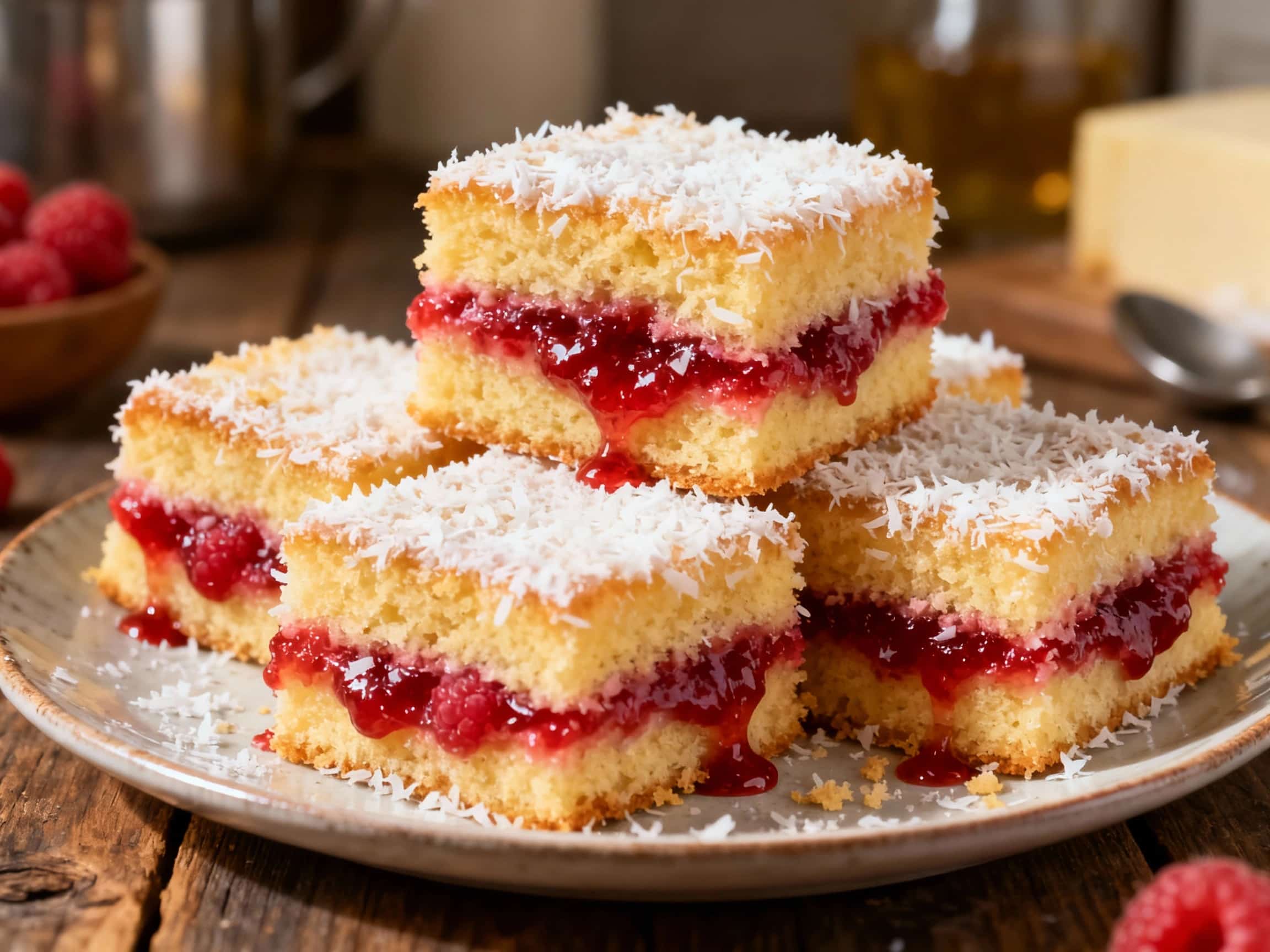
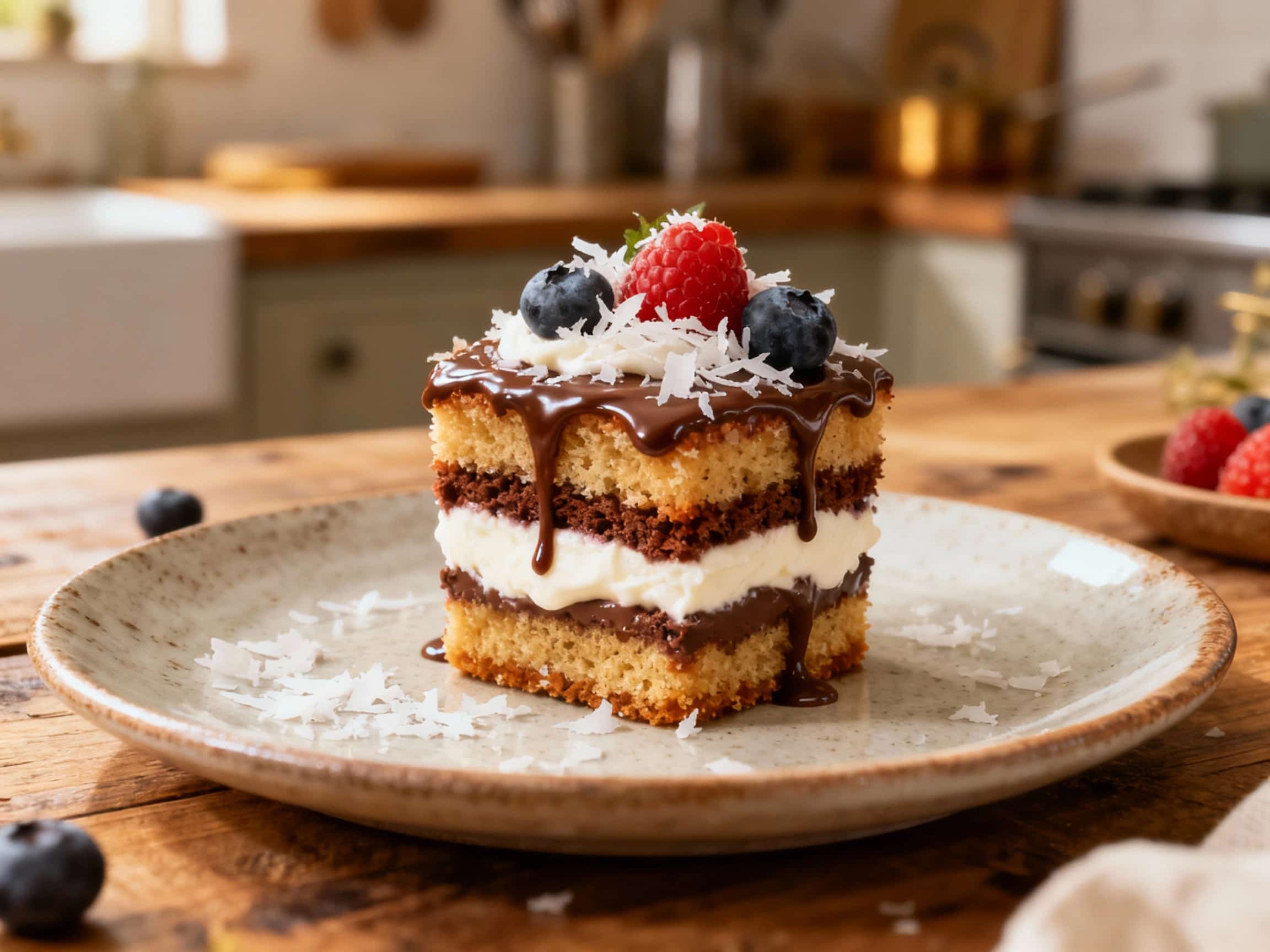
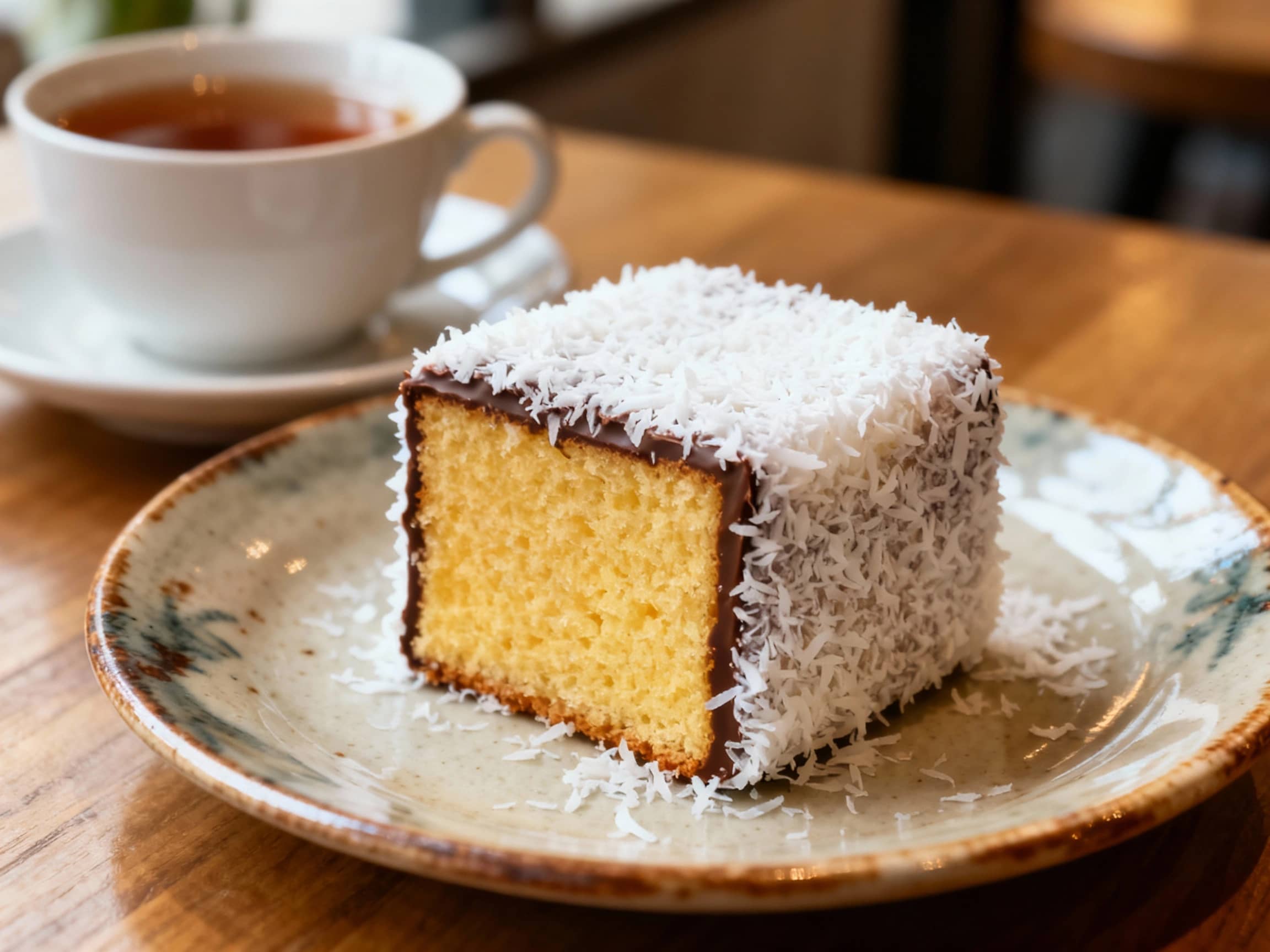
The Lamington, often dubbed the 'National Cake of Australia,' is a simple yet elegant dessert with a rich history. It consists of squares of sponge cake, dipped in a thin chocolate sauce, and then rolled in desiccated coconut, creating a distinctive texture and appearance. While its exact origins are debated between Brisbane and Toowoomba, it is widely believed to have been created around the turn of the 20th century. The most popular theory attributes its creation to Armand Galland, the French chef to Lord Lamington, who served as the Governor of Queensland from 1896 to 1901. Faced with unexpected guests, Galland ingeniously cut leftover sponge cake into squares, dipped them in chocolate, and coated them in coconut. Lord Lamington reportedly enjoyed the 'chocolate-coated coconut squares' so much that he asked for them to be served at future events. Over time, Lamingtons have become a beloved treat, commonly sold at school fetes and charity bake sales, and are a staple in Australian cafes. Varieties with jam or cream fillings are also popular, enhancing their delightful taste and texture. Its simple charm and iconic status make it a cornerstone of Australian baking.
History of Lamington
Lord Lamington becomes Governor of Queensland, setting the stage for the cake's creation.
The Lamington is believed to have been invented by Lord Lamington's French chef, Armand Galland, in Queensland.
The first recorded recipe for 'Lamington Cake' appears in a Queensland newspaper.
The Lamington is proclaimed the 'National Cake of Australia' by the National Trust of Queensland.