Kotlet Schabowy
Kotlet schabowy
- Country
- Poland
- Region
- Not specified
- Recipes
- 3 Recipes
Origins & Characteristics of Kotlet Schabowy
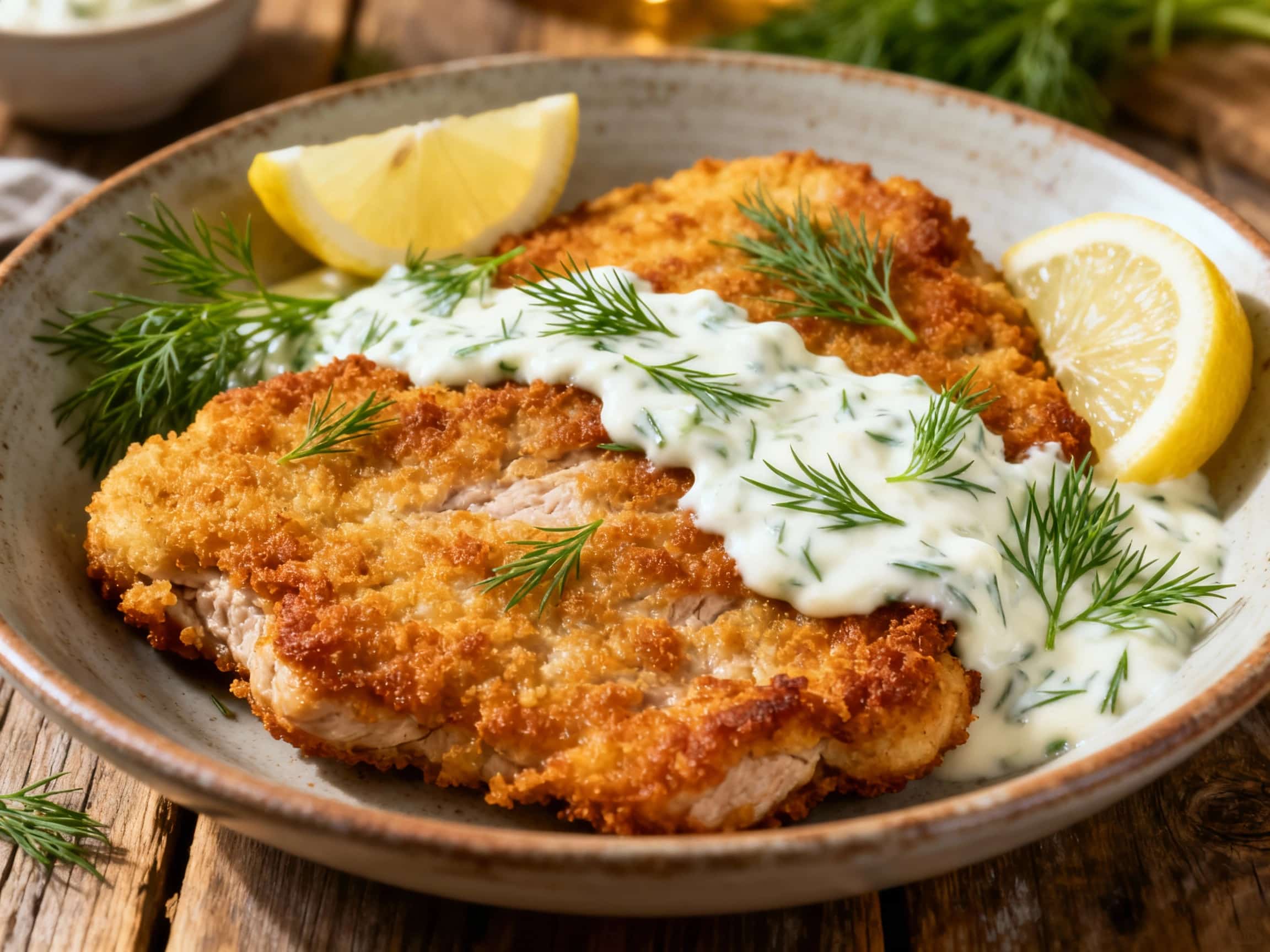
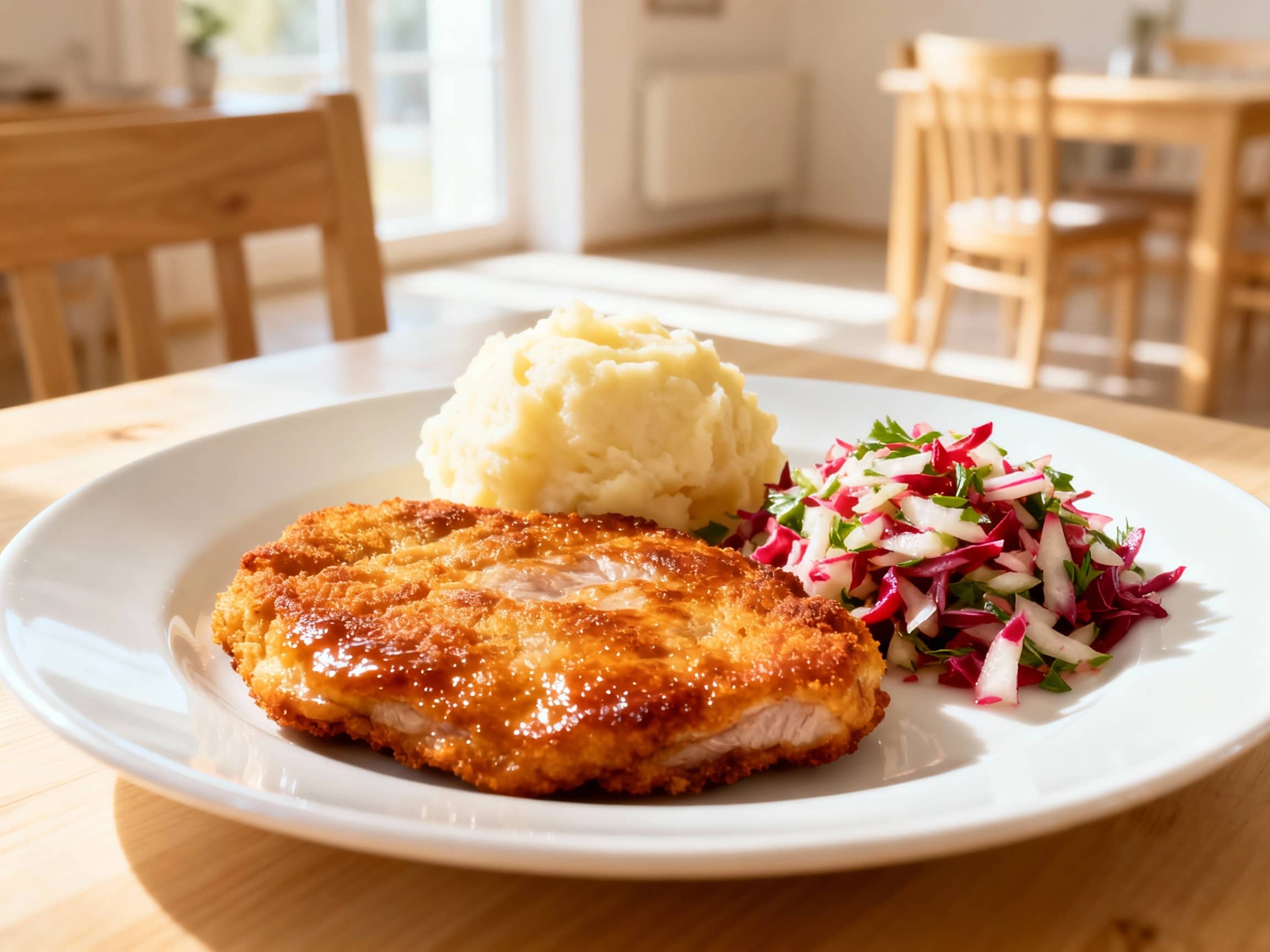
Kotlet Schabowy (pronounced shuh-BAH-vee) is a beloved cornerstone of Polish cuisine, a breaded and pan-fried pork cutlet that offers a delightful symphony of crispy exterior and tender, juicy interior. While bearing a striking resemblance to Viennese Schnitzel, this Polish rendition has carved out its own distinct identity and immense popularity. Typically made from pork loin, the cutlet is pounded thin, coated in flour, beaten egg, and breadcrumbs, then fried to a perfect golden-brown crisp. It is traditionally served with a side of mashed potatoes or boiled potatoes, and often accompanied by mizeria (cucumber salad) or kapusta (cabbage). The dish's origins are closely linked to the influence of German and Austrian cuisine, particularly schnitzel, which became integrated into Polish culinary traditions during the 19th century. However, Kotlet Schabowy has evolved to become uniquely Polish, often prepared with local pork and served with traditional Polish side dishes. It has cemented its place as a go-to comfort food and a staple Sunday dinner throughout Poland, embodying simplicity, flavor, and the hearty spirit of Polish home cooking.
History of Kotlet Schabowy
The concept of breaded and fried cutlets, influenced by Wiener Schnitzel, begins to appear in Polish culinary circles.
Recipes for 'kotlet schabowy' start appearing in Polish newspapers and cookbooks, adapting the schnitzel concept with local ingredients.
Kotlet Schabowy becomes a popular dish in Polish restaurants and households across the country.
The dish is widely adopted as a standard family meal, particularly as a 'Sunday dinner' staple in post-war Poland.
Greater international culinary exchange allows Kotlet Schabowy to be recognized globally as a key Polish entree.
Considered an iconic Polish dish, featured prominently in culinary tourism initiatives promoting Polish food.