Kopytka
Kopytka
- Country
- Poland
- Region
- Not specified
- Recipes
- 3 Recipes
Origins & Characteristics of Kopytka
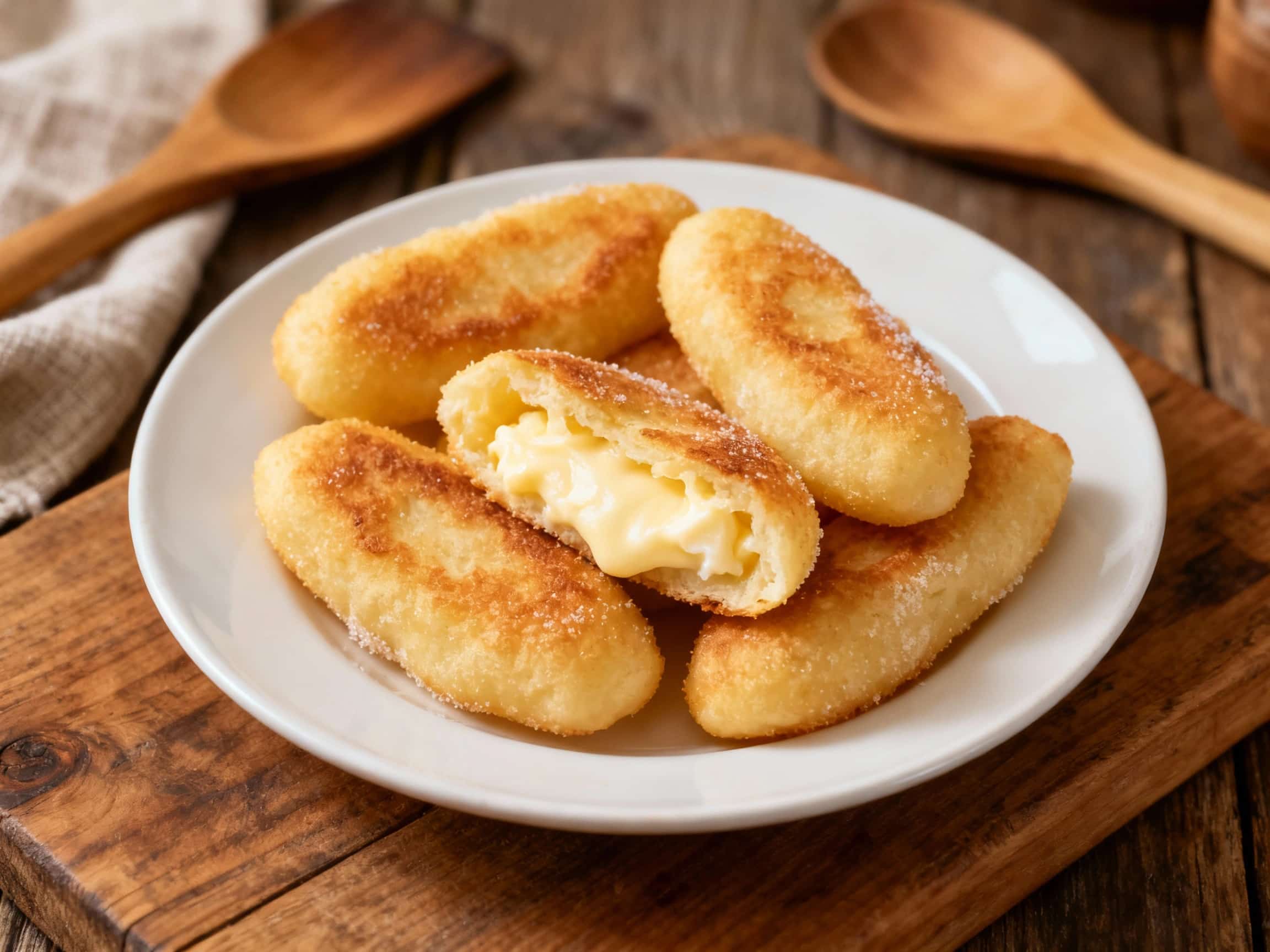
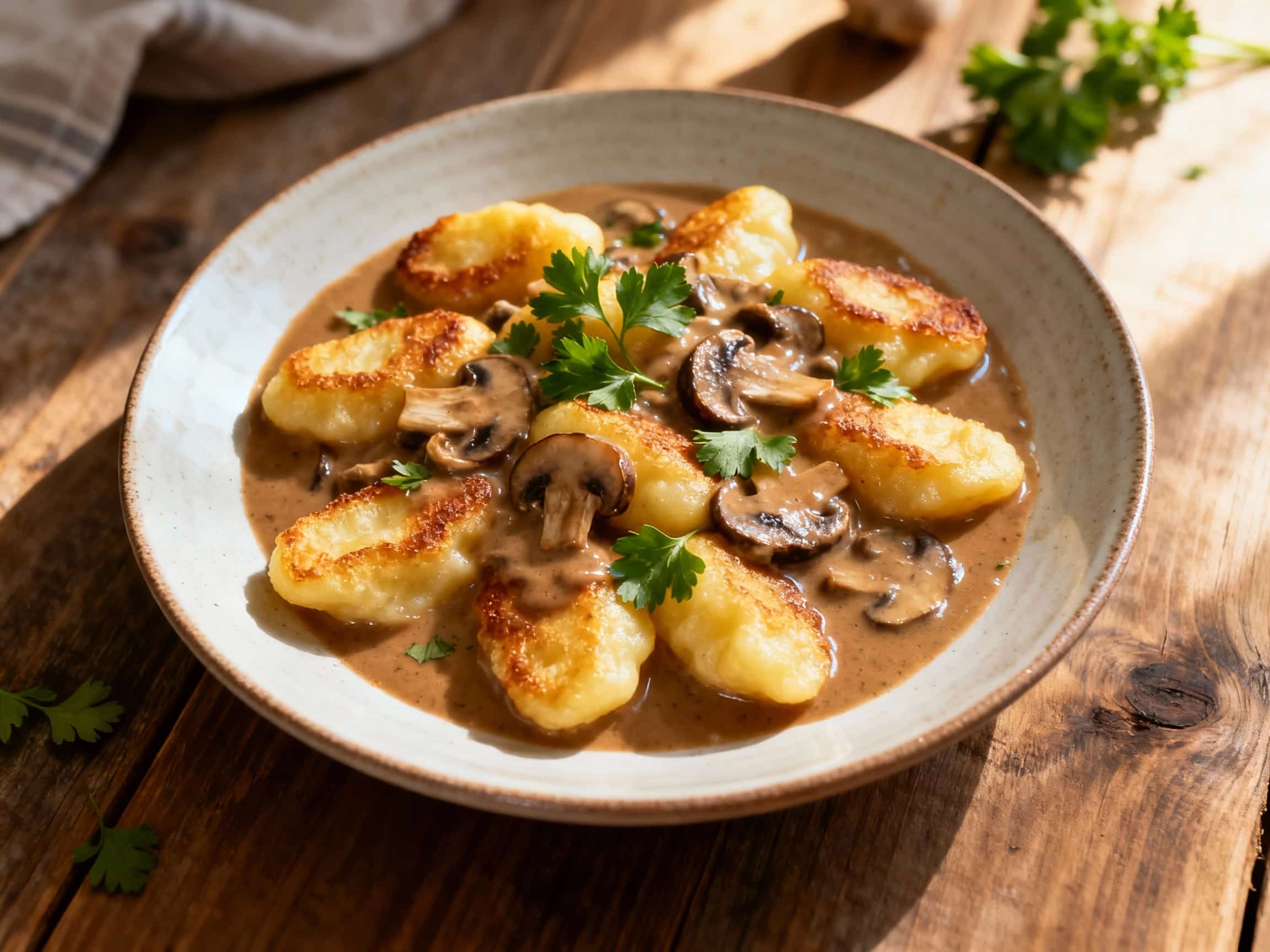
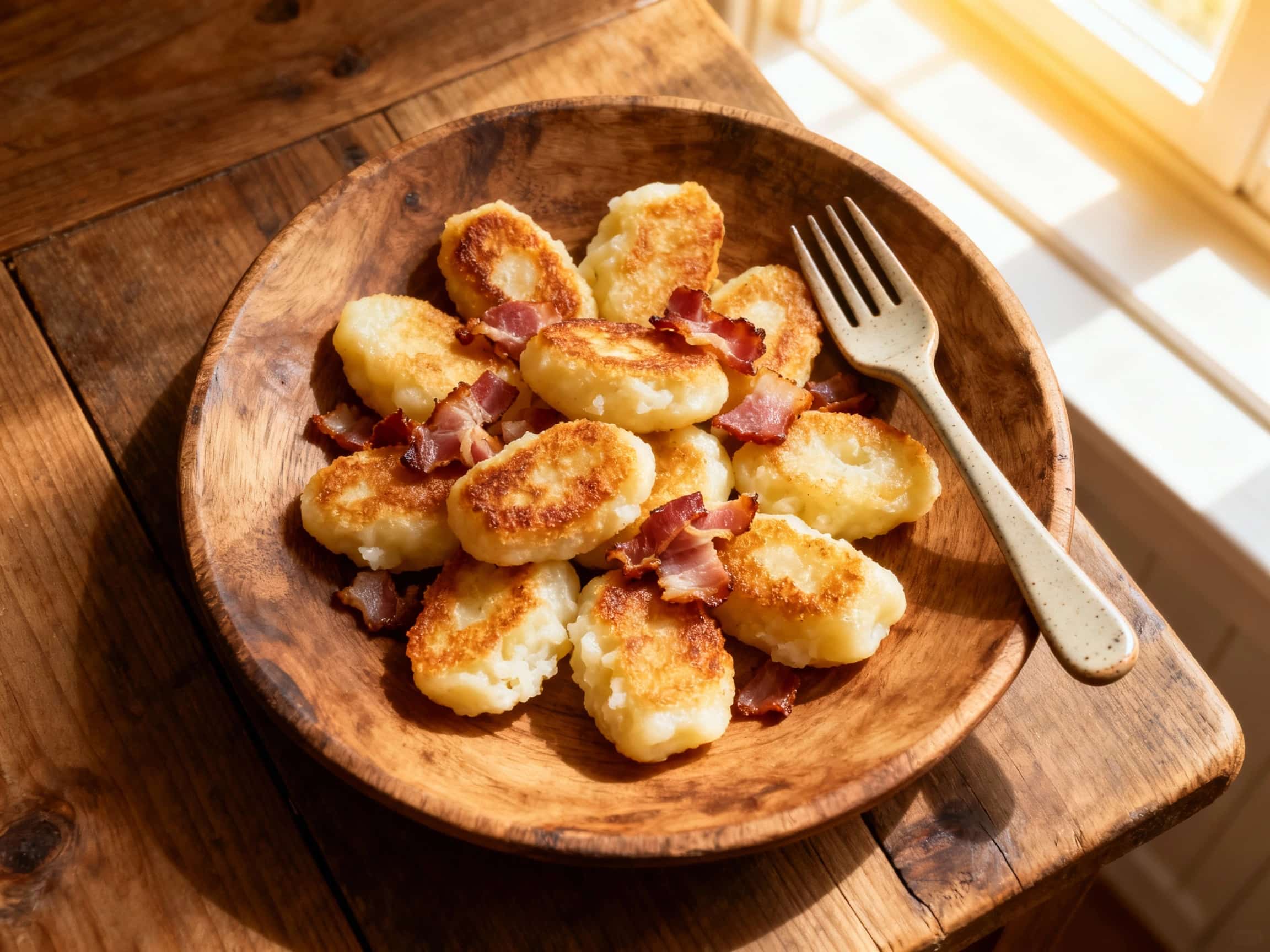
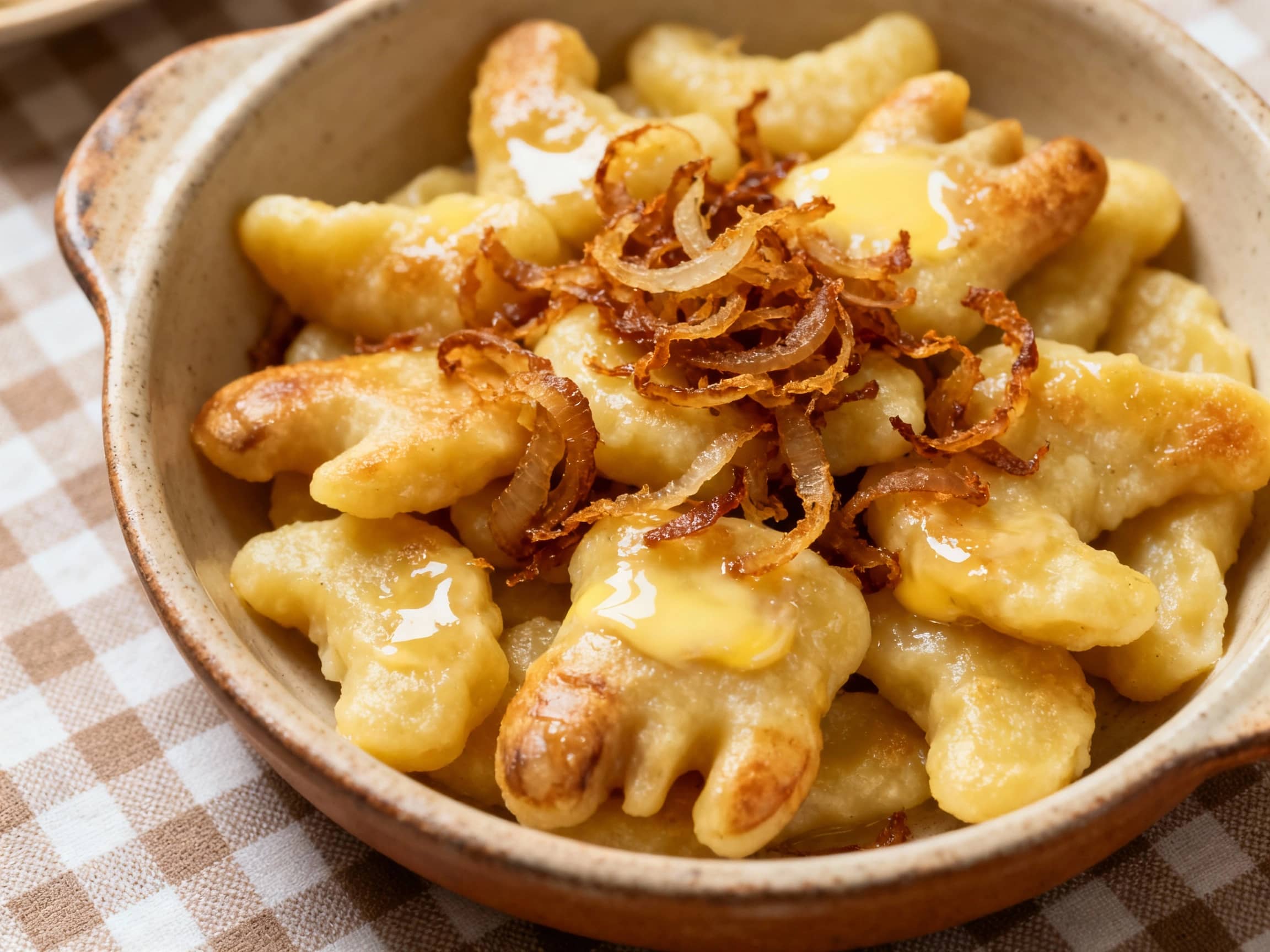
Kopytka, translating literally to 'little hooves,' are a beloved Polish staple, a type of potato dumpling resembling Italian gnocchi but with a distinct character. Their creation involves a simple yet effective dough made from cooked and mashed potatoes, mixed with potato flour (or wheat flour) and eggs, then traditionally shaped by pressing thumbprints into small, flattened pieces that resemble tiny hooves. This shaping technique is key to their texture, allowing them to absorb sauces beautifully. The origins of kopytka are deeply rooted in Polish peasant cuisine, where potatoes became a staple crop. Dumplings of various forms have a long history in Central European cooking, serving as an economical and filling meal. Kopytka likely evolved as a way to utilize leftover mashed potatoes, transforming them into a new dish. They became particularly popular in regions with abundant potato harvests. While their preparation is straightforward, the perfect kopytko strikes a balance between tender, fluffy interior and a slightly chewy exterior, achieved through careful dough consistency and cooking time. They are almost always boiled until they float to the surface, indicating they are cooked through. Kopytka are incredibly versatile, commonly served simply with melted butter and fried onions, or topped with a hearty meat sauce, mushroom gravy, or even a sweet fruit sauce, showcasing their adaptability across savory and sweet applications. Their comforting nature and ease of preparation have solidified their place in Polish homes and restaurants as a quintessential comfort food.
History of Kopytka
Potatoes become a widely cultivated crop in Poland, laying the foundation for potato-based dishes.
The development of kopytka as a distinct potato dumpling dish likely occurs, evolving from peasant cooking traditions.
Recipes for potato dumplings begin to appear in Polish cookbooks, including early mentions of kopytka.
Kopytka becomes a staple in Polish households, recognized for its simplicity and versatility.
Regional variations of kopytka and their serving suggestions are documented.
A popular Polish magazine features a summer recipe contest highlighting kopytka with mushroom sauce.
Kopytka gains international recognition as a popular Polish comfort food and dumpling.