Kluski Śląskie
Kluski śląskie
- Country
- Poland
- Region
- Silesia
- Recipes
- 3 Recipes
Origins & Characteristics of Kluski Śląskie
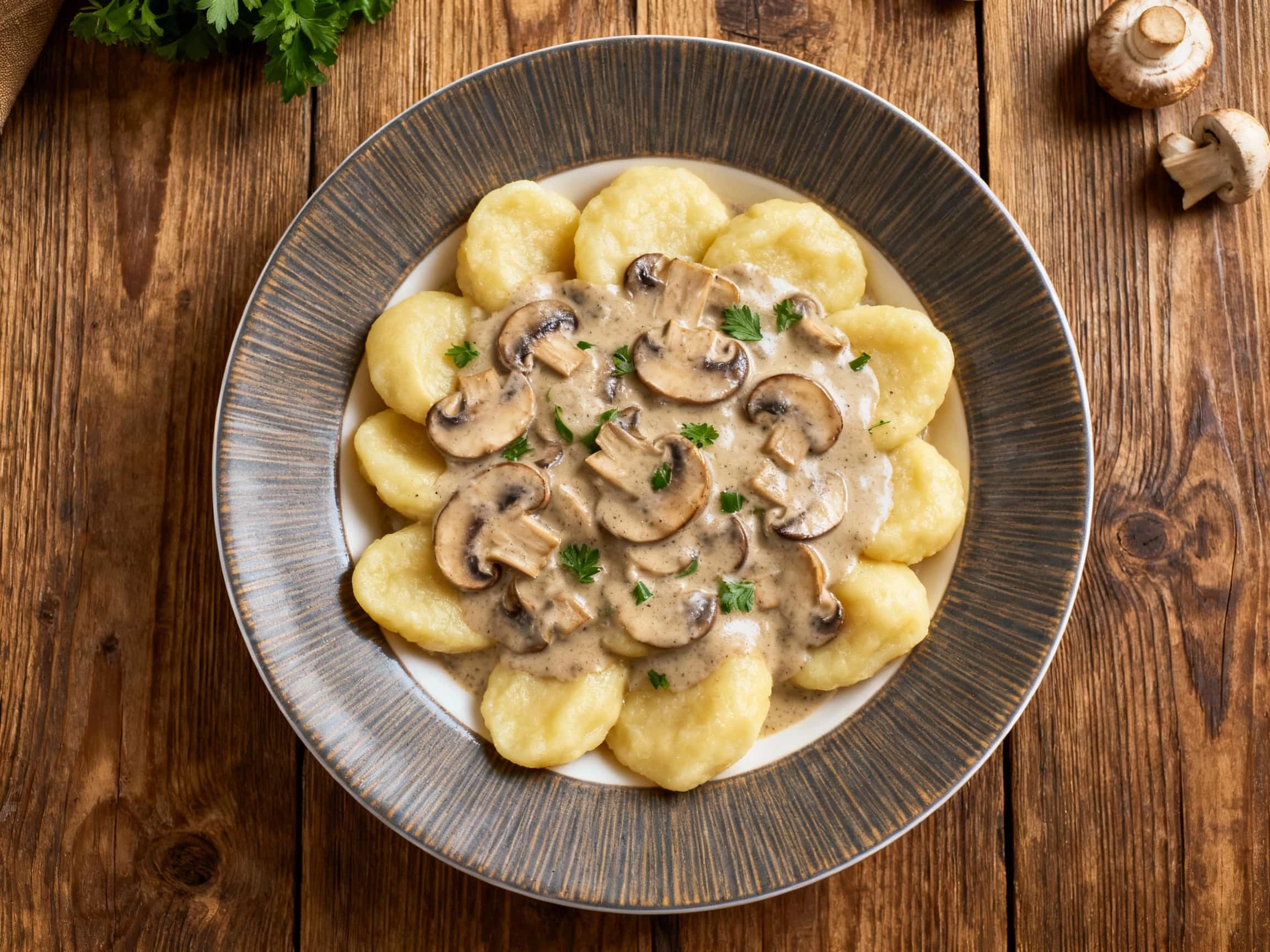
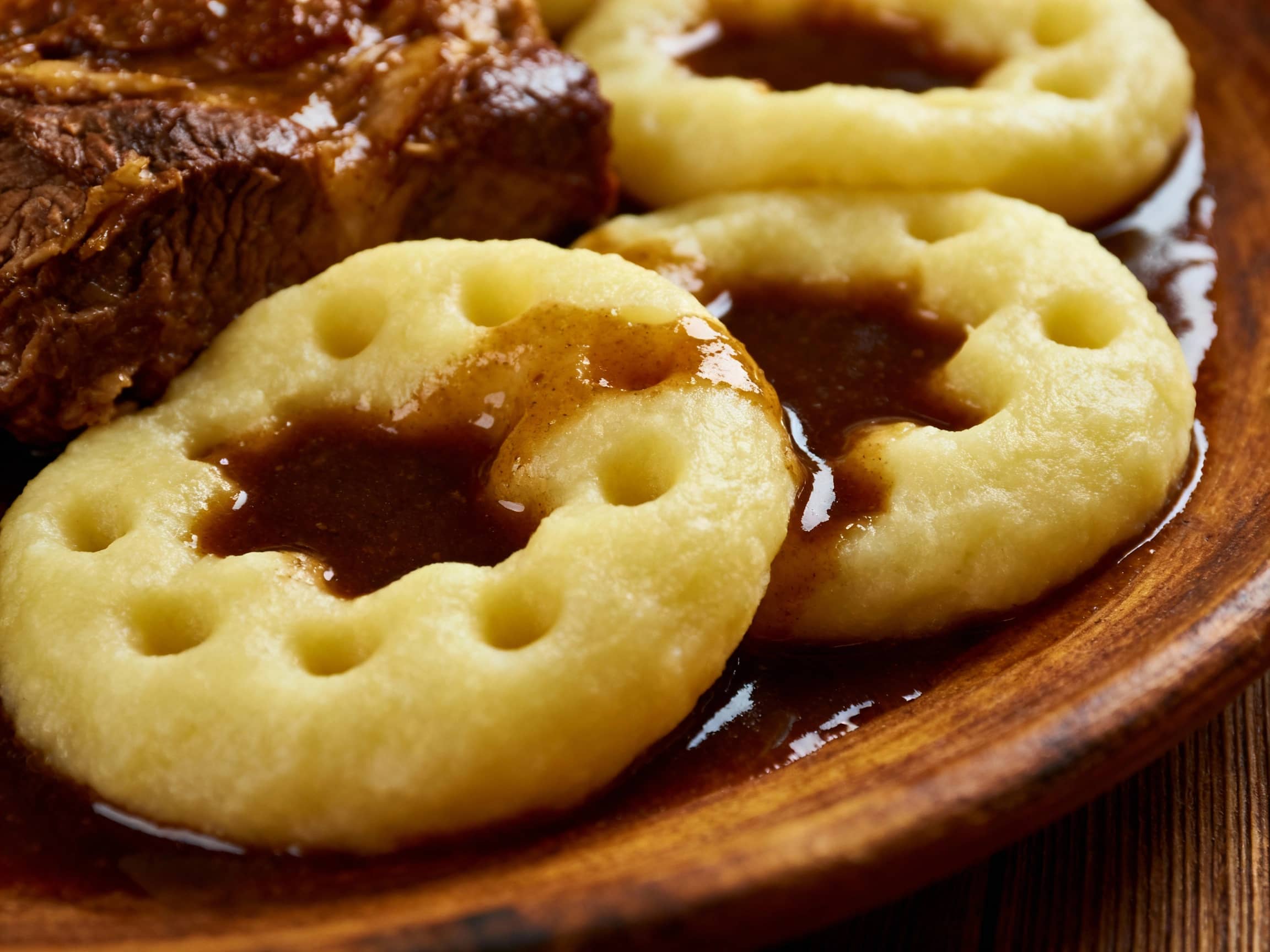
Kluski śląskie, also known as Silesian dumplings, are a unique and beloved staple of regional Polish cuisine, particularly from the Silesia region. Characterized by their soft, chewy texture and a distinctive dimple in the center, these dumplings are ingeniously crafted from cooked potatoes and potato starch. The dimple is not merely aesthetic; it serves a crucial culinary purpose, acting as the perfect vessel to capture generous amounts of gravy or sauce. Their origins are firmly rooted in the agricultural heritage of Silesia, where potatoes were abundant. The development of Kluski śląskie likely emerged as an economical and filling way to supplement meals, especially meat dishes. They gained prominence throughout the 19th and early 20th centuries, becoming an indispensable accompaniment to traditional Silesian fare like roulades (rolady) or braised beef. Renowned Polish chefs and food historians often cite Kluski śląskie as a prime example of ingenious Polish culinary resourcefulness. They are a cornerstone of Sunday dinners and festive meals in Silesian households, symbolizing community and tradition. Their simple yet satisfying nature has made them a universally loved dish, often featured in traditional Polish restaurants across the country and beyond. The combination of humble ingredients transformed into such a comforting and functional food highlights the heart of Silesian cooking.
History of Kluski Śląskie
Potatoes become widespread in Silesian agriculture, influencing local cuisine.
Kluski śląskie begin to appear as a distinct regional dumpling type.
Solidified popularity as a key side dish in Silesian households.
Featured prominently in regional Polish cookbooks.
Became a recognized symbol of Silesian culinary identity.
Gaining attention in broader Polish and international culinary discussions.
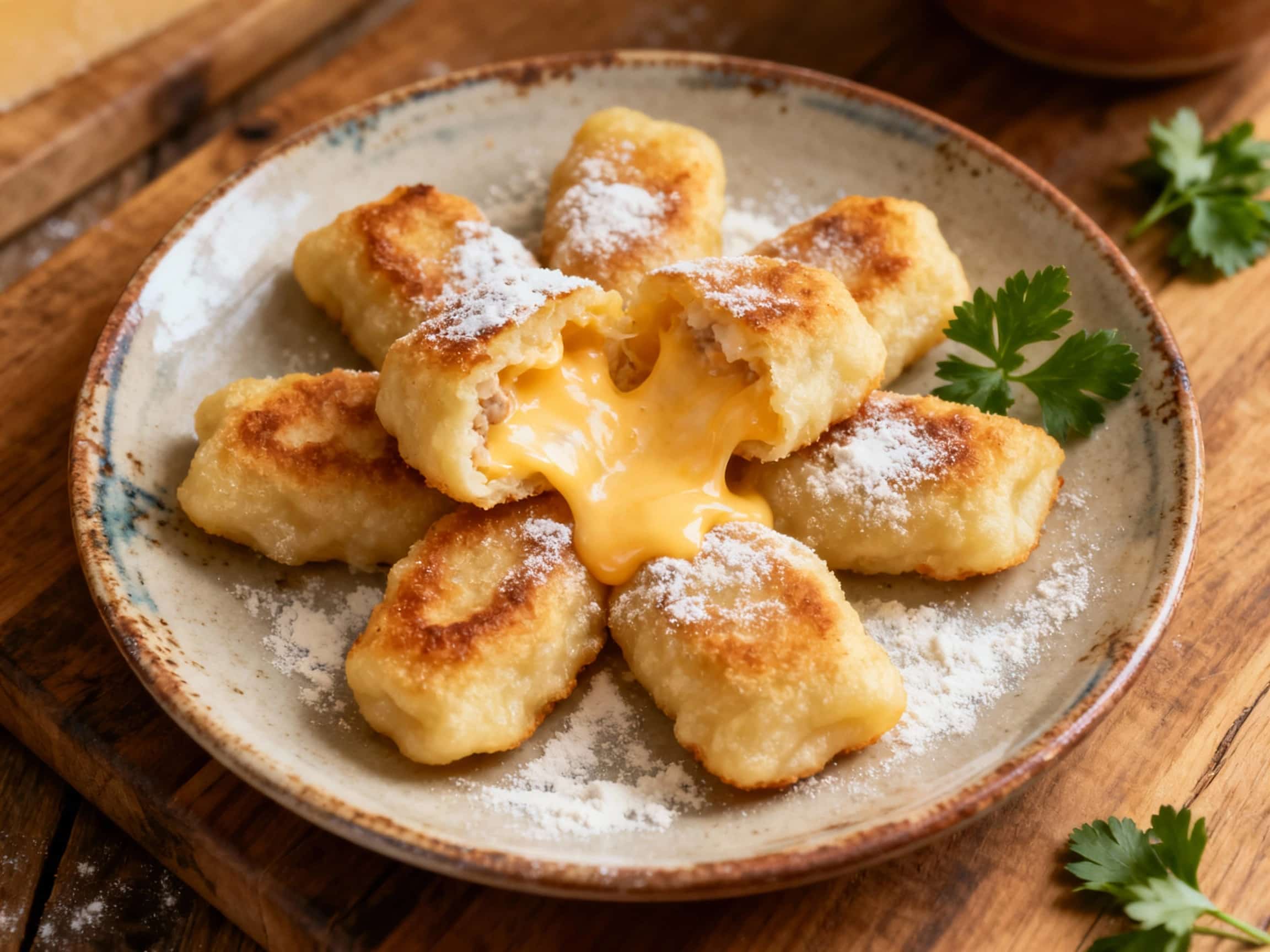
Modern chefs experiment with fillings and modern presentations.