Gulasz
Gulasz
- Country
- Poland
- Region
- Not specified
- Recipes
- 3 Recipes
Origins & Characteristics of Gulasz
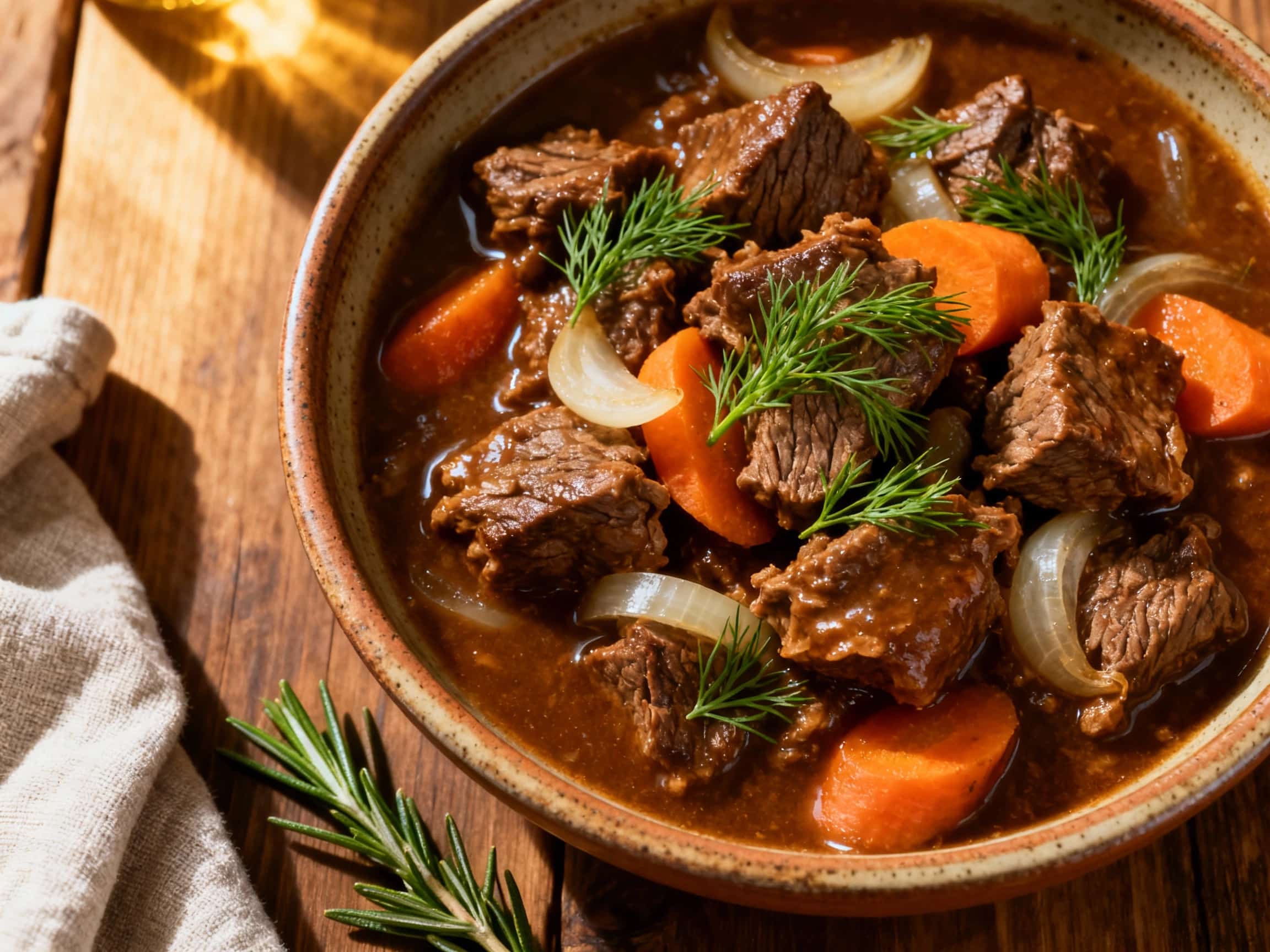
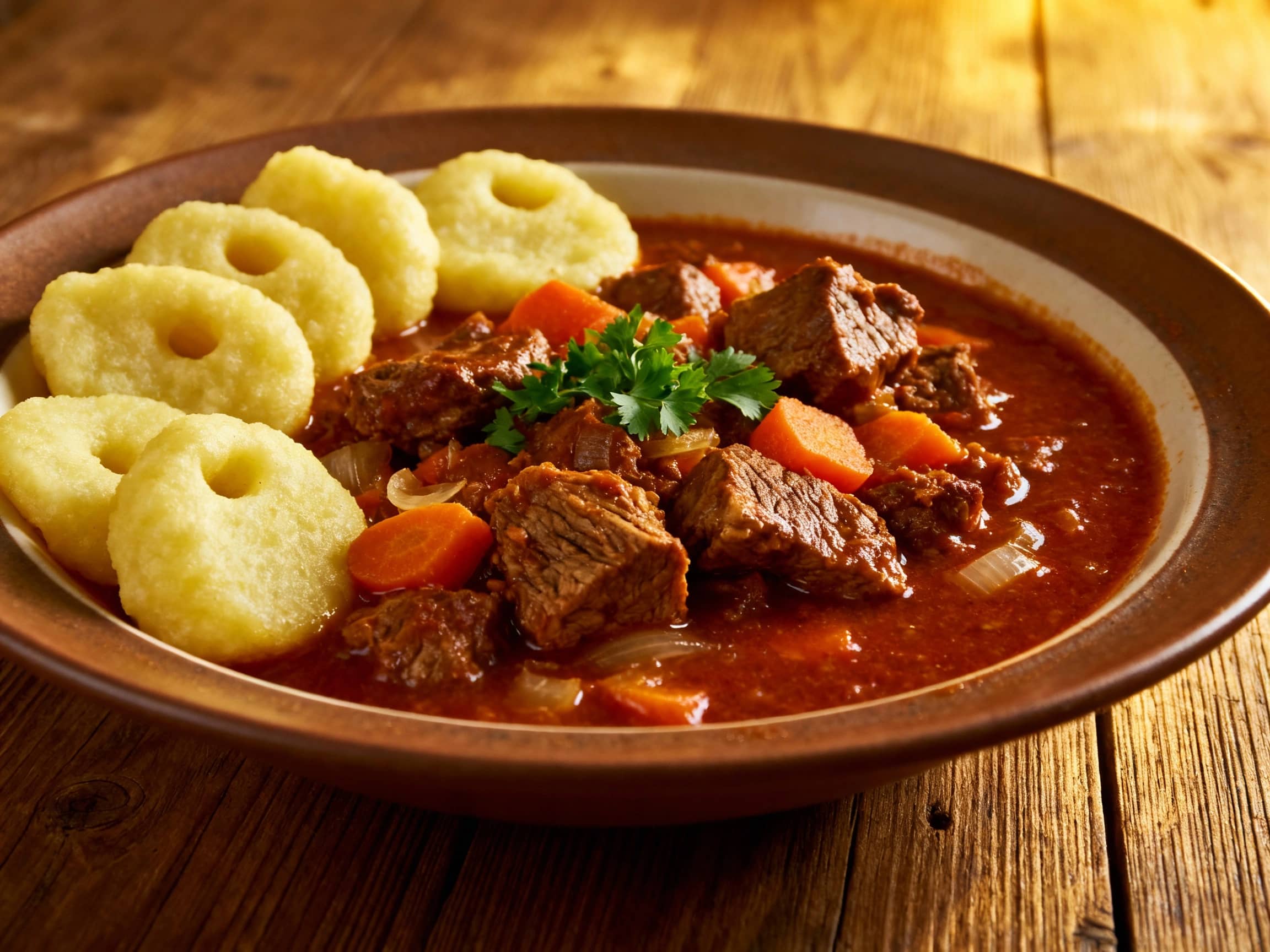
Gulasz, while often associated with Hungarian cuisine, is a profoundly popular and well-loved stew in Poland, adapted and cherished as a hearty staple. The Polish take on this rich, slow-cooked dish typically features tender pieces of beef or pork, simmered in a robust sauce infused with onions, sweet or hot paprika, and often caraway seeds, tomatoes, or tomato paste, and broth. Its origins trace back to the nomadic Magyar tribes of Hungary, where 'Gulyás' was a peasant stew cooked historically over open fires. The dish's influence spread throughout the Austro-Hungarian Empire, naturally integrating into Polish culinary traditions by the 19th century, particularly in regions with closer historical ties. Polish 'Gulasz' often distinguishes itself by its thicker, more stew-like consistency compared to some Hungarian versions, which can be more soupy. It is a quintessential comfort food, especially during colder months, valued for its deep, satisfying flavors and the tender melt-in-your-mouth quality of the meat achieved through long, slow cooking. It is typically served with a side of mashed potatoes, kluski śląskie (Silesian dumplings with a characteristic dimple), or kasza (buckwheat or millet groats), and sometimes accompanied by bread for sopping up the delicious sauce. Gulasz embodies the spirit of communal eating and hearty generosity, making it a popular choice for family dinners and gatherings, representing a successful culinary fusion that has become a beloved part of the Polish gastronomic landscape.
History of Gulasz
Hungarian tribes, likely cooking meat stews, traverse the Carpathian Mountains.
Paprika becomes a key ingredient in Hungarian cuisine, influencing stews like Gulyás.
Gulyás and its variations begin to be adopted and adapted in Polish culinary practices, especially in southern Poland.
Polish cookbooks start featuring recipes for 'Gulasz,' adapting Hungarian techniques and ingredients.
Polish Gulasz solidifies its identity, often thicker and richer than its Hungarian counterpart.
Gulasz becomes a staple on Polish restaurant menus and in home cooking, especially during winter.
A national Polish food exhibition highlights regional stews, including various styles of Gulasz.
Modern Polish chefs continue to refine Gulasz recipes, emphasizing quality ingredients and slow cooking.