Bigos
Bigos
- Country
- Poland
- Region
- Silesia
- Recipes
- 3 Recipes
Origins & Characteristics of Bigos
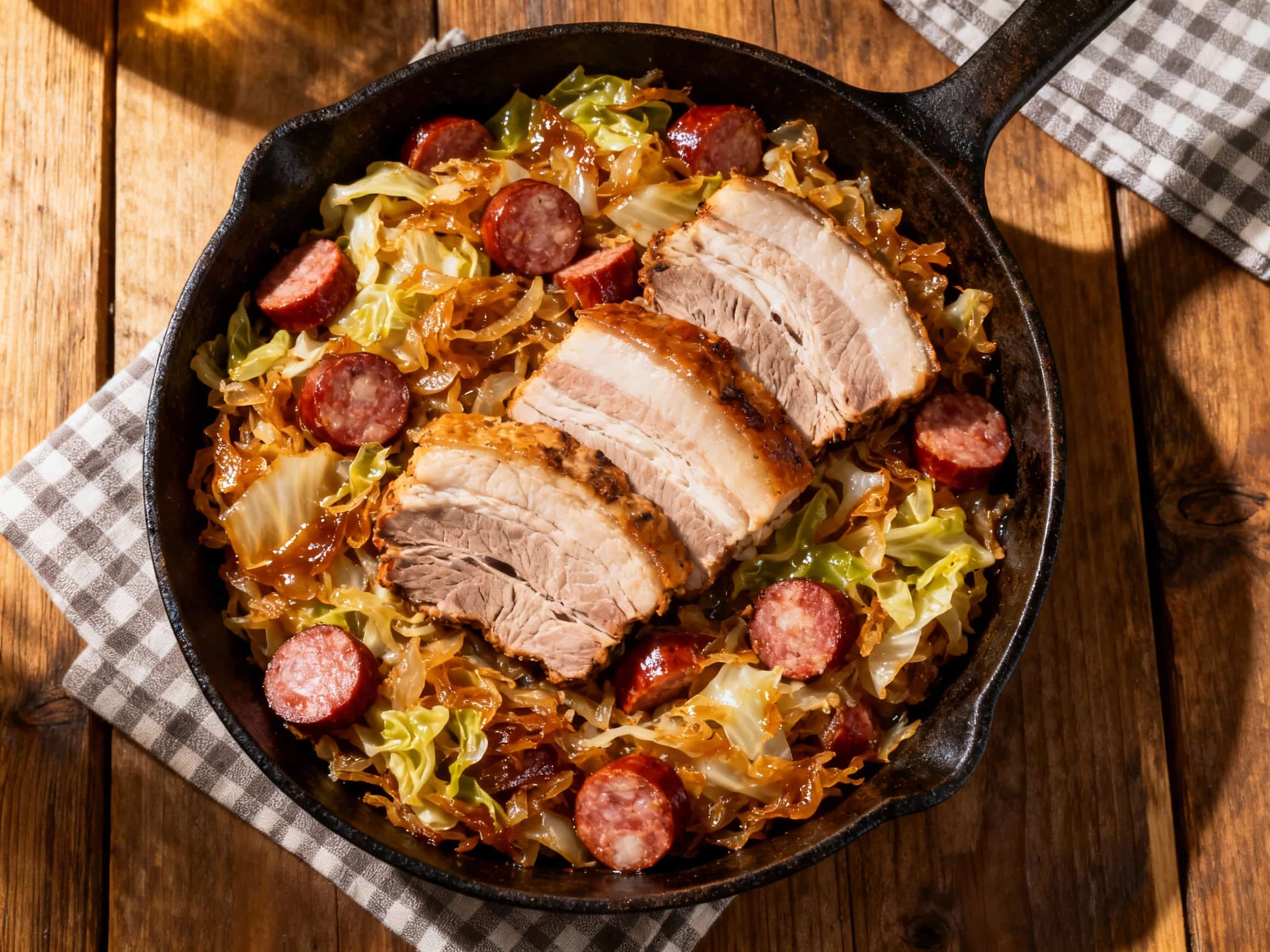
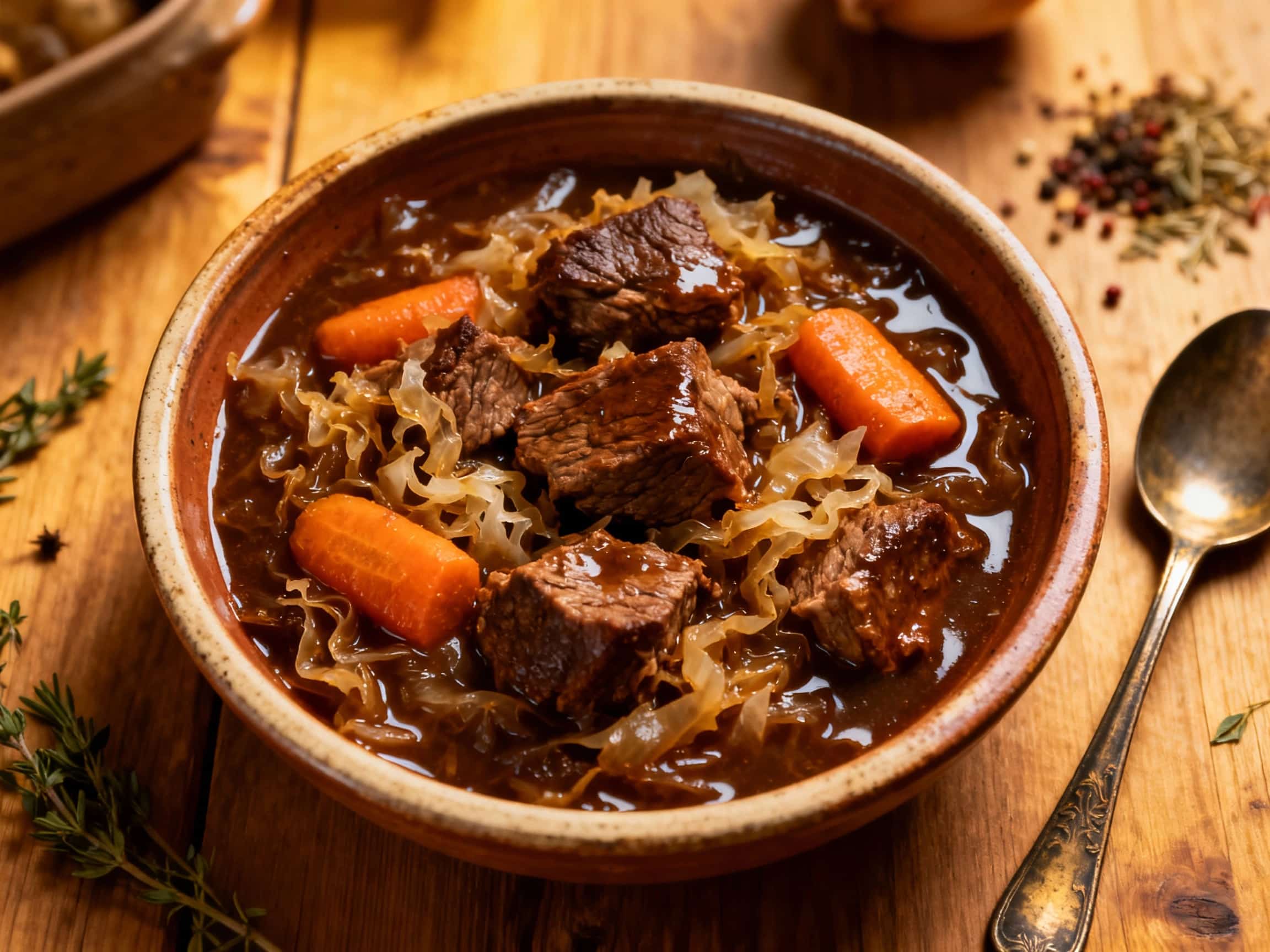
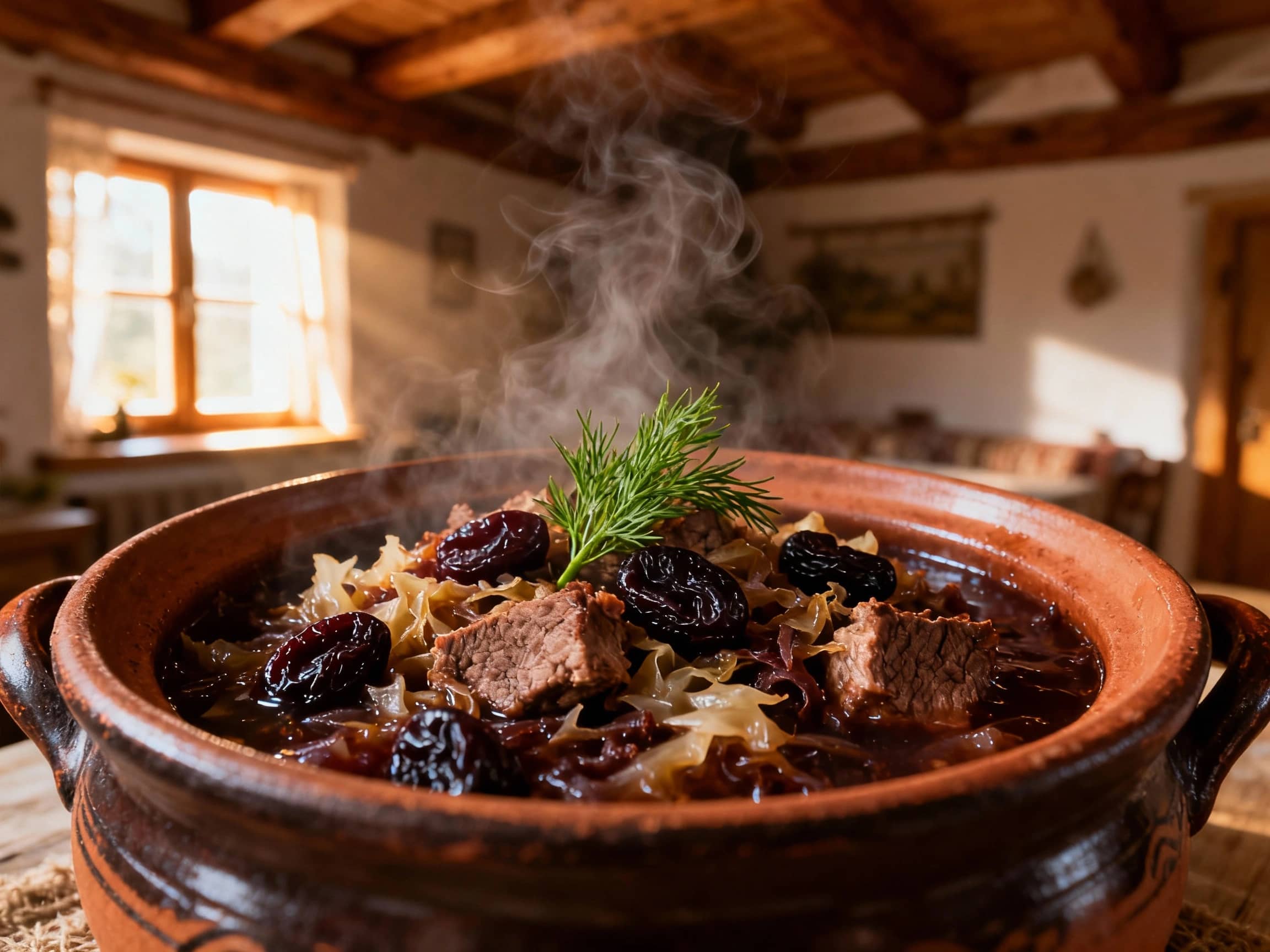
Bigos, often hailed as Poland's national dish, is a rich, slow-cooked stew that exemplifies the heartiness of Polish cuisine. Its foundation lies in a complex blend of sauerkraut and fresh cabbage, simmered with an array of meats such as pork, beef, kielbasa, and game, often enhanced with dried wild mushrooms, prunes, and various spices. The magic of Bigos truly unfolds through patient, extended cooking, allowing the flavors to meld and deepen into a symphony of savory, tangy, and slightly sweet notes. The dish's origins are ancient, with roots possibly tracing back to pre-Christian Slavic traditions that utilized fermented foods for preservation and sustenance. It became particularly popular among hunters and the nobility, earning its moniker 'hunter's stew.' Historical records suggest its presence and variations across Poland for centuries, evolving with the availability of ingredients. Polish nobility in the 17th and 18th centuries often featured elaborate versions in their banquets. Today, Bigos remains a cherished dish, especially during autumn and winter, and is a common feature at holidays and family gatherings, embodying perseverance and the comforting embrace of Polish culinary heritage.
History of Bigos
Early forms of Bigos, likely simpler stews with cabbage and meat, appear in Polish culinary records.
The dish gains popularity among the Polish nobility, with recipes becoming more elaborate and incorporating diverse ingredients.
Bigos is frequently mentioned in literature and cookbooks, solidifying its status as a traditional Polish dish.
Adam Mickiewicz's epic poem 'Pan Tadeusz' features a renowned description of Bigos, cementing its cultural significance.
Bigos is standardized and promoted as a staple of Polish cuisine in post-war Poland.
Bigos is celebrated as a key part of Polish culinary heritage during events marking Poland's entry into the EU.