Barszcz Czerwony
Barszcz czerwony
- Country
- Poland
- Region
- Podlasie
- Recipes
- 3 Recipes
Origins & Characteristics of Barszcz Czerwony
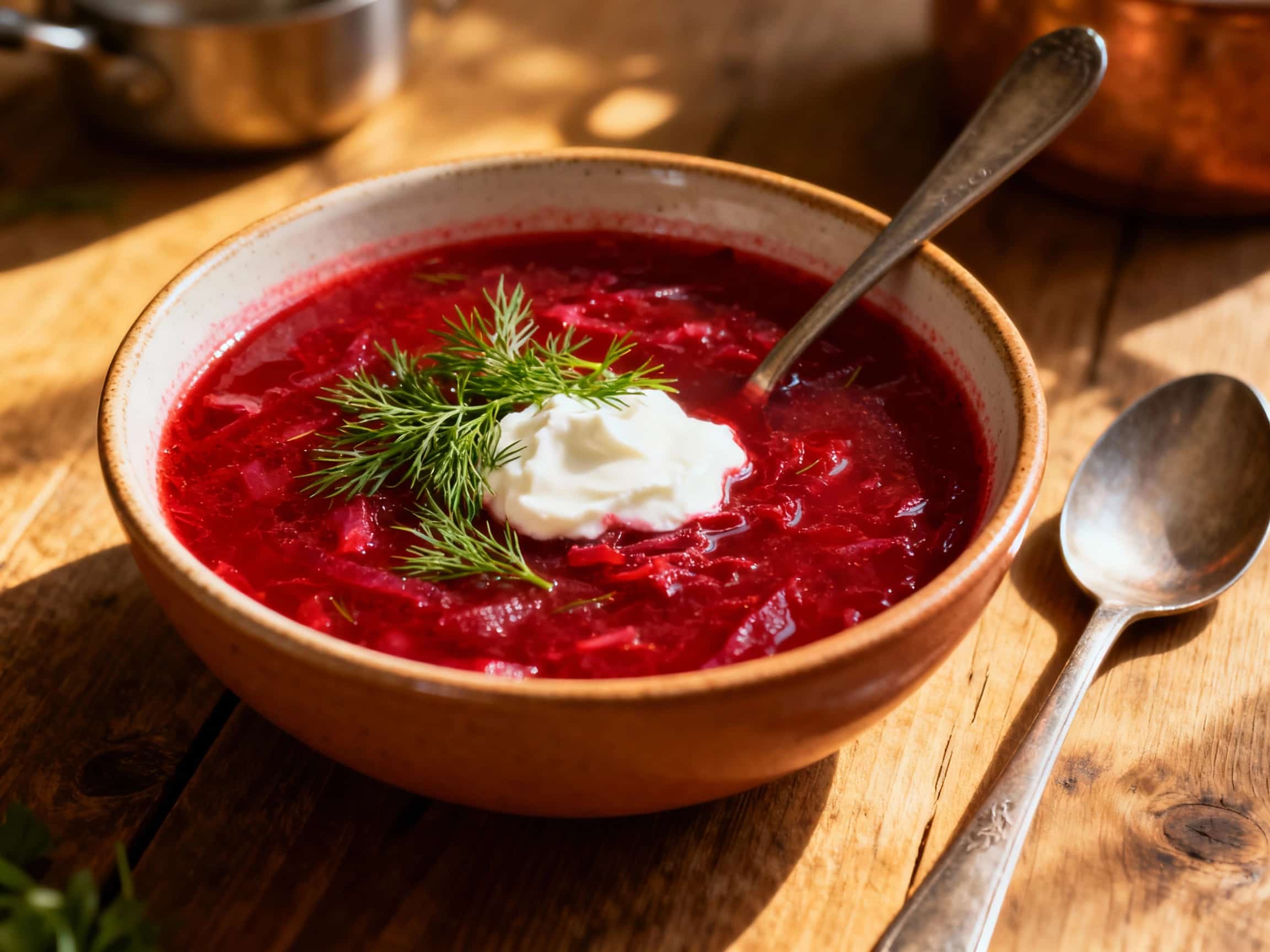
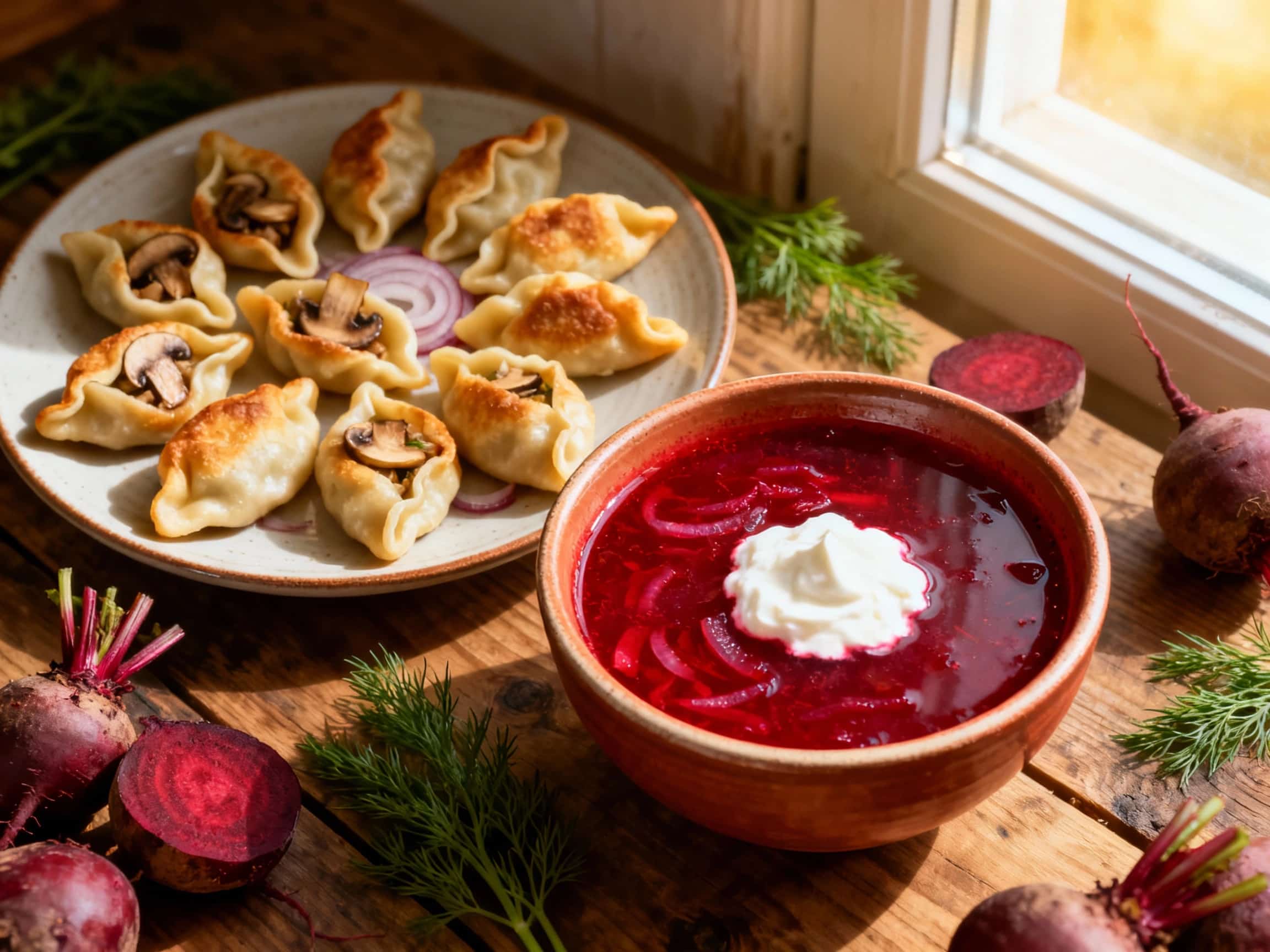
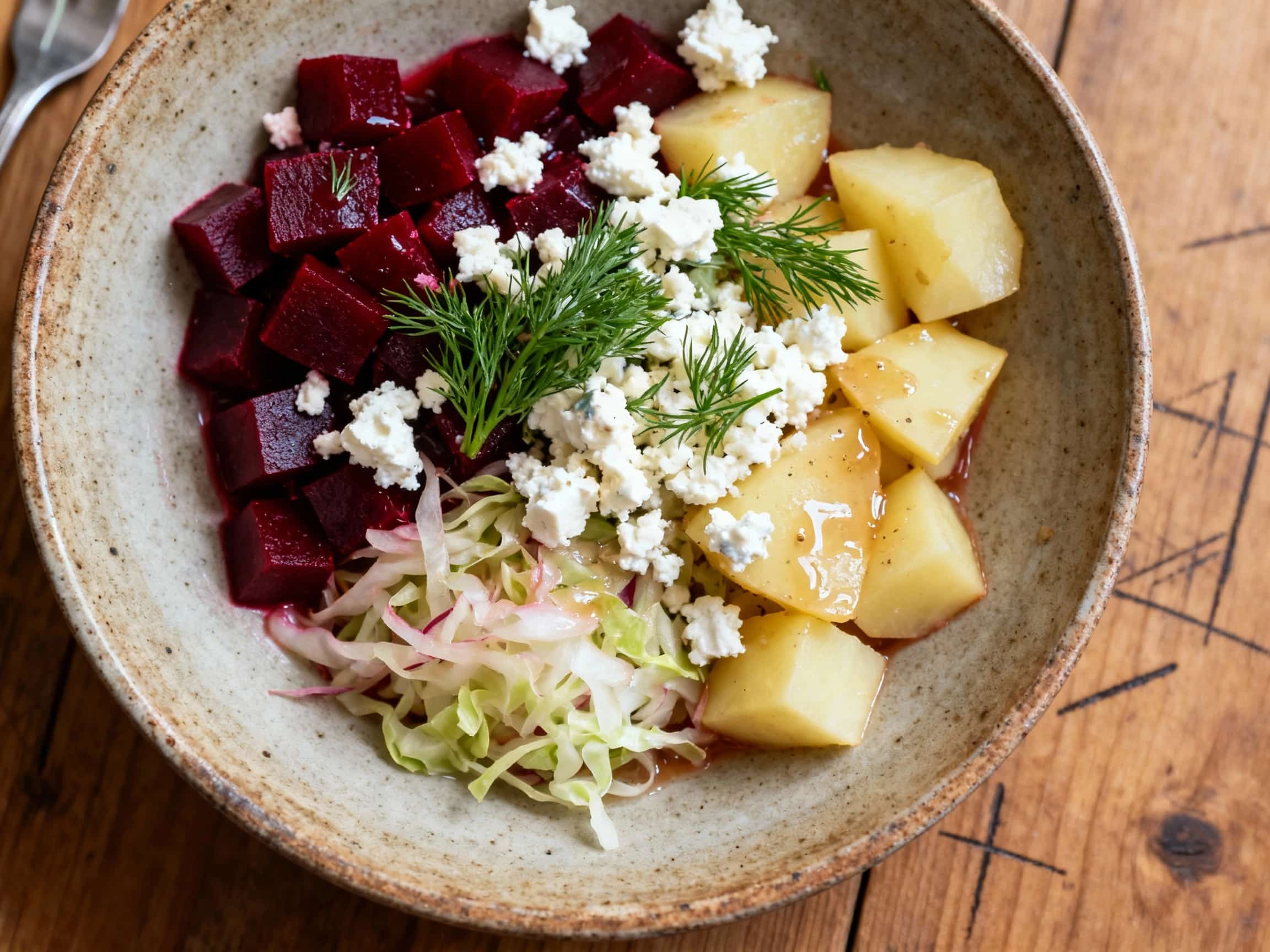
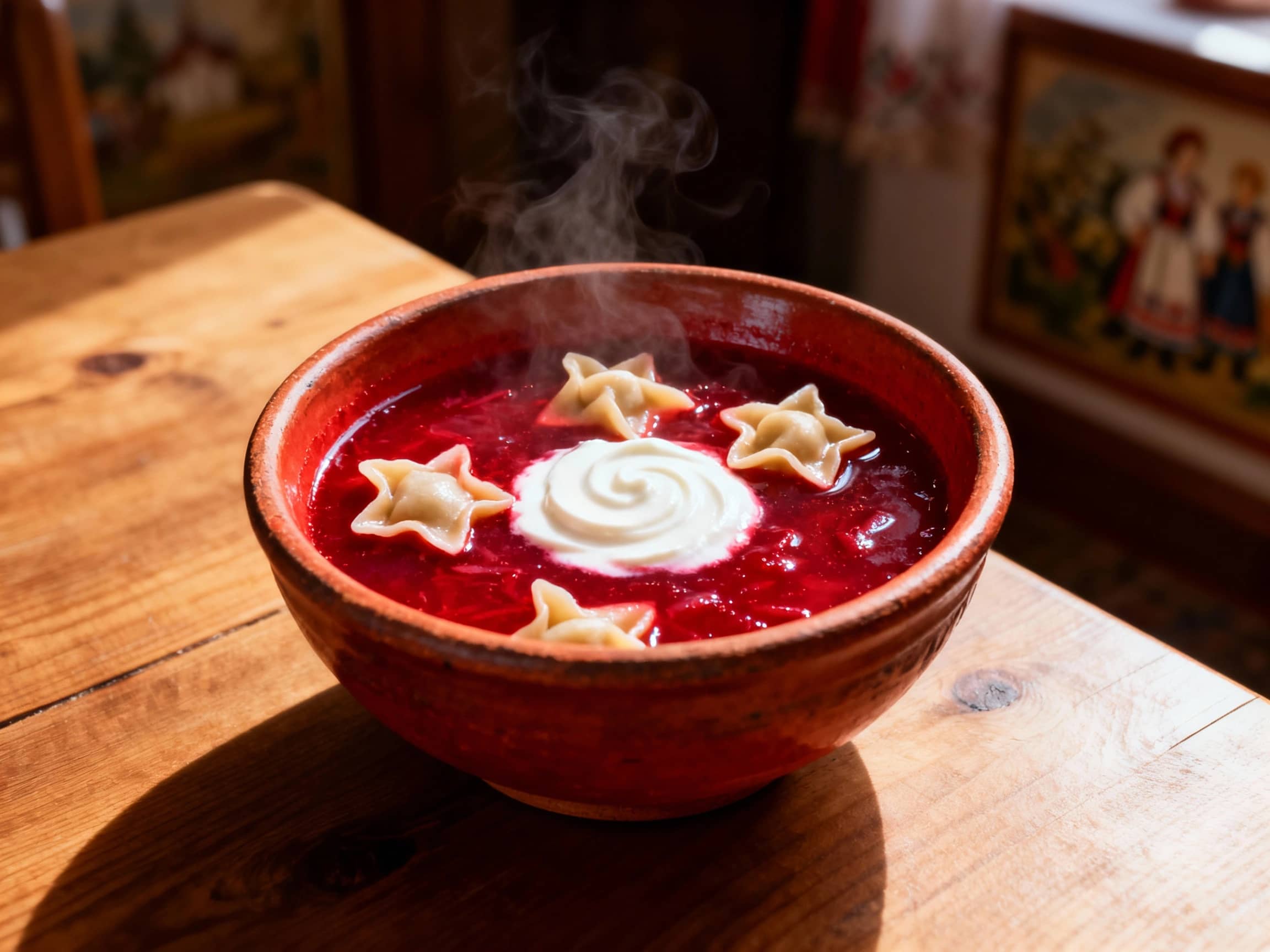
Barszcz czerwony, a ruby-red masterpiece of Polish cuisine, is more than just a soup; it's a symbol of tradition and comfort. Its vibrant hue and earthy taste come from slow-cooked beetroot, a treasured root vegetable that has graced Polish tables for centuries. The exact origins of barszcz are somewhat debated, but its presence in Polish culinary history is undeniable, likely evolving from ancient Slavic fermented beet drinks. By the Middle Ages, variations of beetroot soups were common across Eastern Europe. In Poland, barszcz developed into numerous regional styles, each with its unique character. One of the most beloved is the clear, fermented borscht, often served during Wigilia (Christmas Eve supper) with tiny, mushroom-filled dumplings called 'uszka' (little ears), symbolizing good luck. Another popular variation is the hearty, everyday barszcz, which might include cream, potatoes, or even small sausages. The soup's versatility has seen it embraced by various social classes, from humble peasant homes to aristocratic dining rooms. Historically, fermentation was a key preservation method, adding a distinctive tang that many adore. Over time, recipes were refined, incorporating sour cream, dill, and a variety of herbs. While the core ingredients remain consistent, the preparation methods showcase the evolution of Polish cooking. Regional variations, such as the more robust barszcz z białym sosem (barszcz with white sauce) found in certain areas, highlight the dish's adaptability. This iconic soup continues to be a source of national pride, cherished for its deep flavor, health benefits, and strong ties to Polish heritage and festive occasions.
History of Barszcz Czerwony
Fermented beet drinks and early forms of borscht were likely consumed by Slavic peoples.
Beetroot soups become more established in Polish regional cuisines.
Recipes for various forms of borscht begin to appear in Polish cookbooks.
Elaborate versions of barszcz are served in Polish noble households.
The association of barszcz with Christmas Eve (Wigilia) becomes more prominent.
Barszcz 'czerwony' solidifies its position as a national dish.
Standardized recipes for barszcz appear in Polish culinary publications.
Millions of Poles enjoy Barszcz Czerwony with uszka for their Wigilia dinner.